Inconel 718 Flanges About
inconel 718 is a high-strength, corrosion-resistant nickel-chromium alloy known for its excellent mechanical properties at elevated temperatures. It is often used in aerospace, gas turbine, and other high-temperature applications. Inconel 718 flanges are designed to withstand extreme conditions, such as those encountered in aerospace and gas turbine applications. The need for a combination of properties such as high-temperature strength, corrosion resistance, and excellent mechanical characteristics often drives the choice of Inconel 718 for flanges.
Exceptional Corrosion and Temperature ResistanceInconel 718 flanges are exceptionally robust against both chloride and sulfide stress corrosion, making them ideal for harsh operating conditions. Capable of withstanding a wide temperature spectrum from cryogenic levels at -196C up to 704C, they maintain structural integrity and performance in challenging environments. This reliability makes them a key choice in aerospace, petrochemical, and marine engineering sectors.
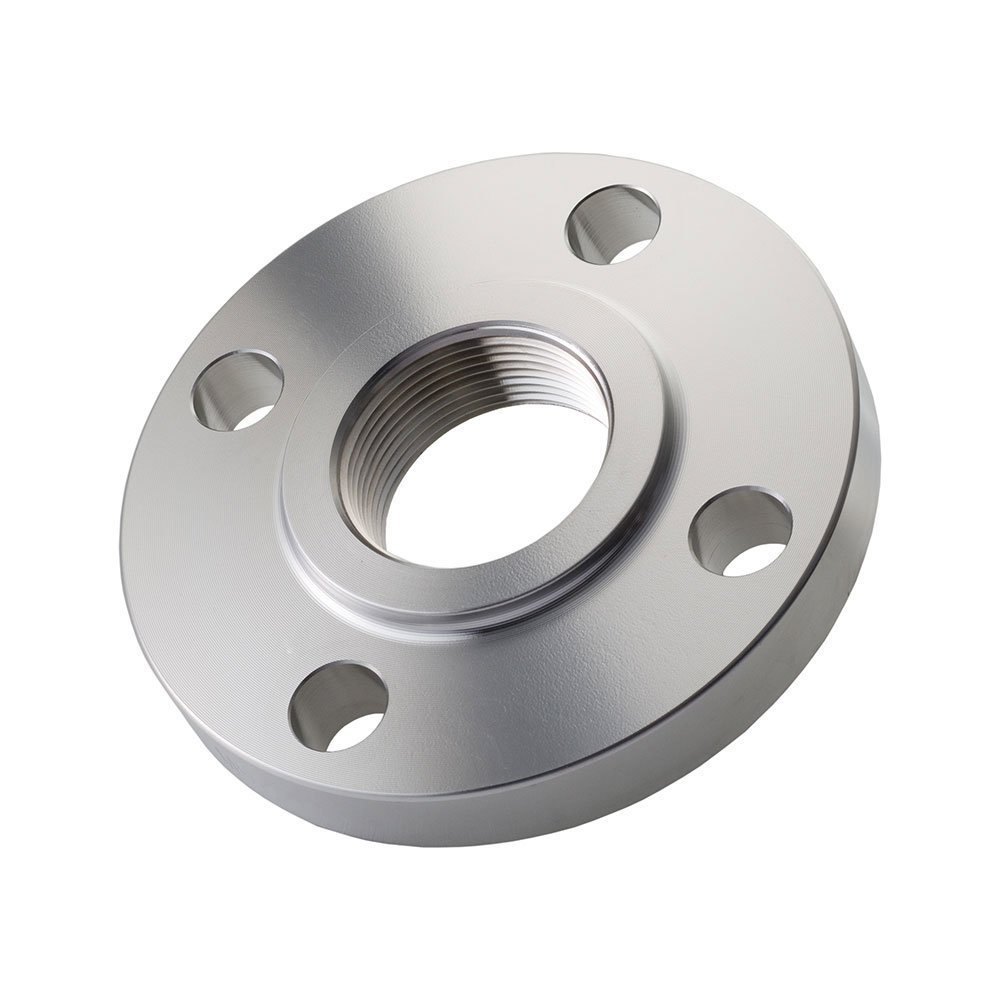
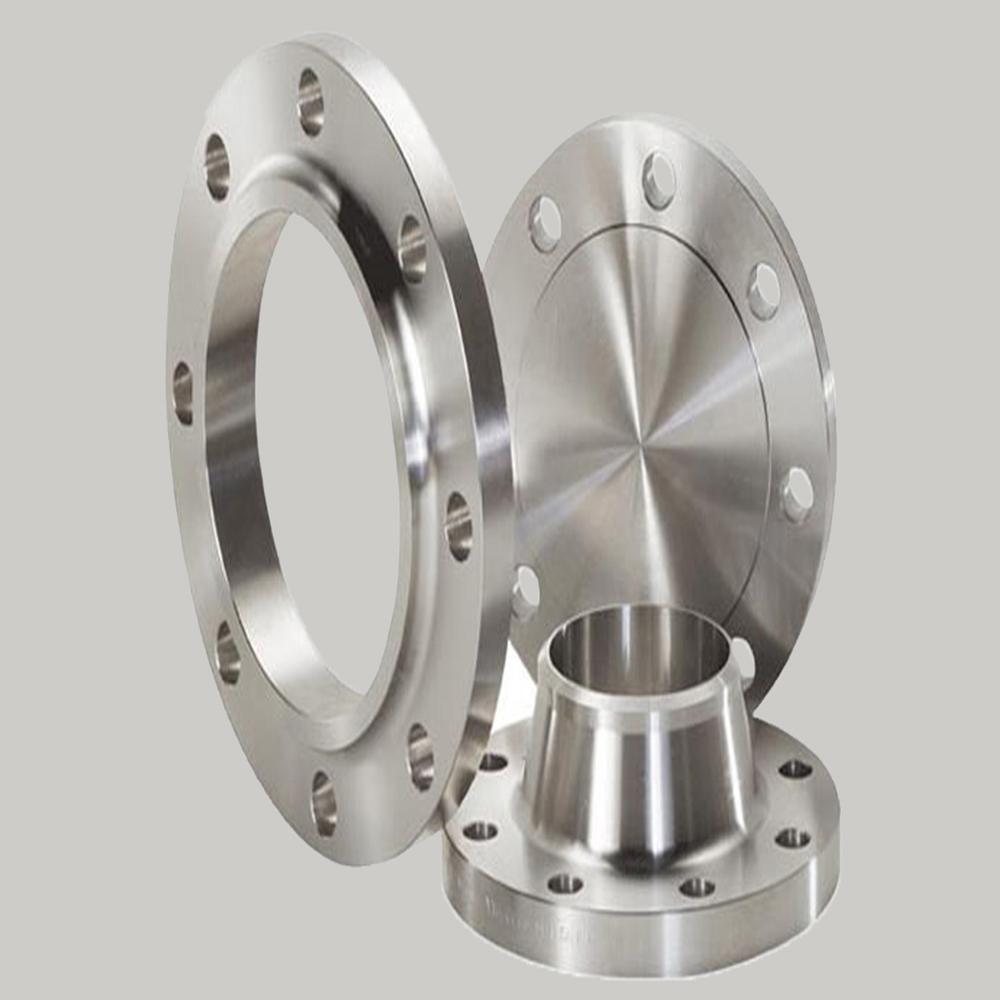
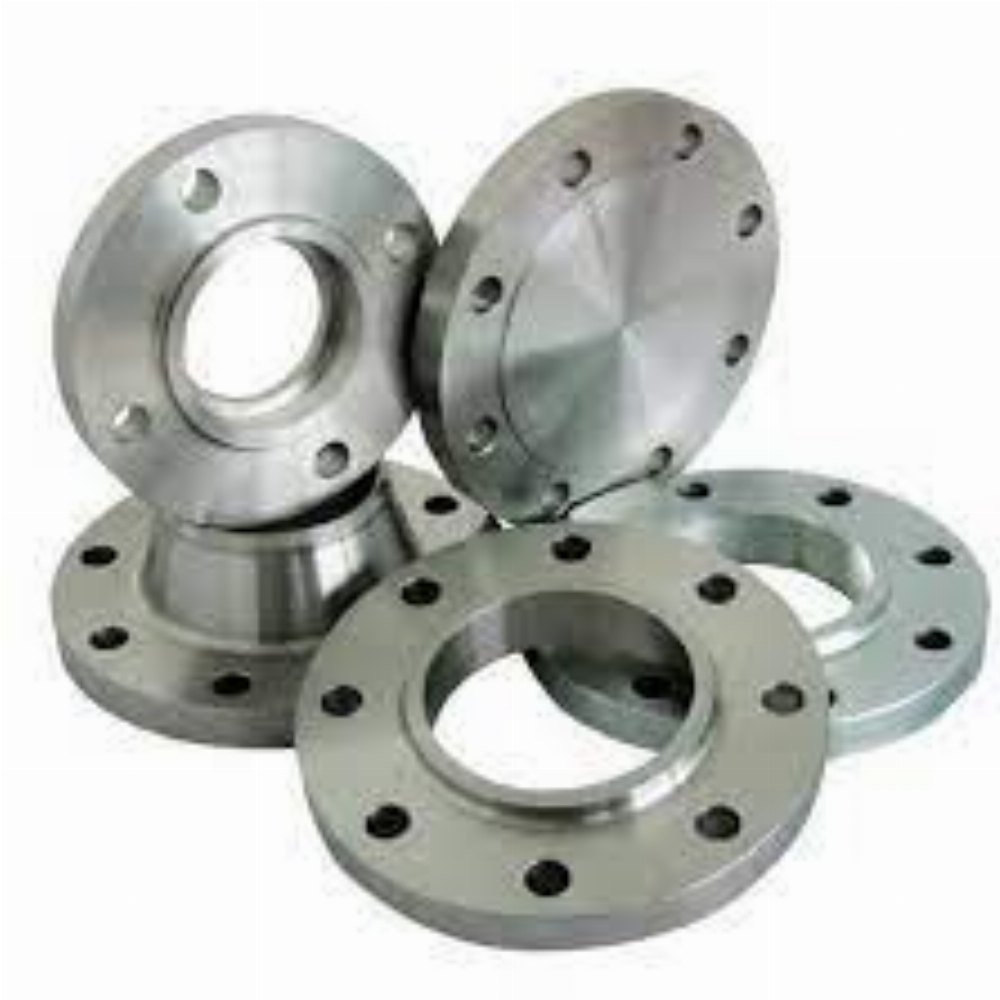
Multiple Pressure Ratings and Connection OptionsDesigned to meet diverse operational demands, these flanges are available in pressure classes from 150 to 2500 and various connection styles such as welded, threaded, and bolted. Face types include Raised Face (RF), Ring Type Joint (RTJ), and Flat Face (FF), allowing tailored integration with various pipeline systems. Their compatibility with global standards ensures smooth incorporation into new or existing infrastructure.
FAQ's of Inconel 718 Flanges:
Q: How are Inconel 718 flanges tested for quality and safety?
A: Each Inconel 718 flange undergoes comprehensive testing, including 100% radiographic, ultrasonic, Positive Material Identification (PMI), and hydrostatic examinations. Additional customer-specific tests can also be performed to ensure the flanges meet stringent safety, mechanical, and quality standards demanded by critical applications.
Q: What applications are Inconel 718 flanges best suited for?
A: These flanges are widely used in sectors where high mechanical strength and corrosion resistance are vital, such as aerospace, petrochemical, power generation, oil & gas, marine engineering, and chemical processing. Their excellent performance in extreme environments makes them ideal for both structural and high-pressure fluid handling systems.
Q: When should I choose a specific pressure class or flange type?
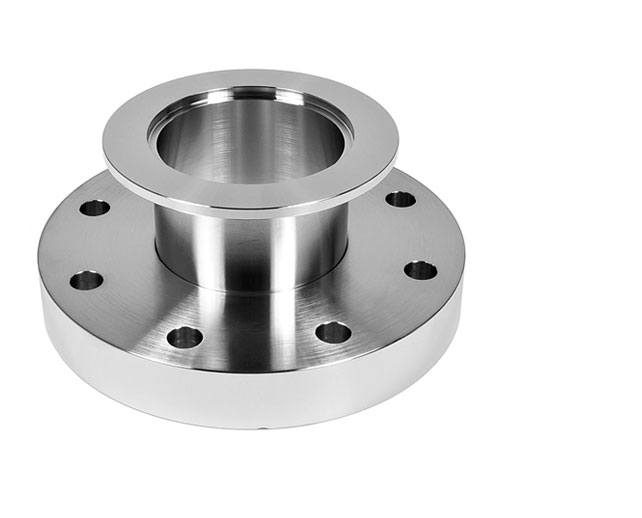
A: The selection of pressure class (ranging from Class 150 to 2500) and flange type (weld neck, slip on, blind, threaded, etc.) depends on system pressure, temperature, medium, and industry standards. Consulting with an engineering expert or referring to project requirements helps ensure optimal selection for safety, durability, and compliance.
Q: Where can these flanges be installed and what packaging options are provided?
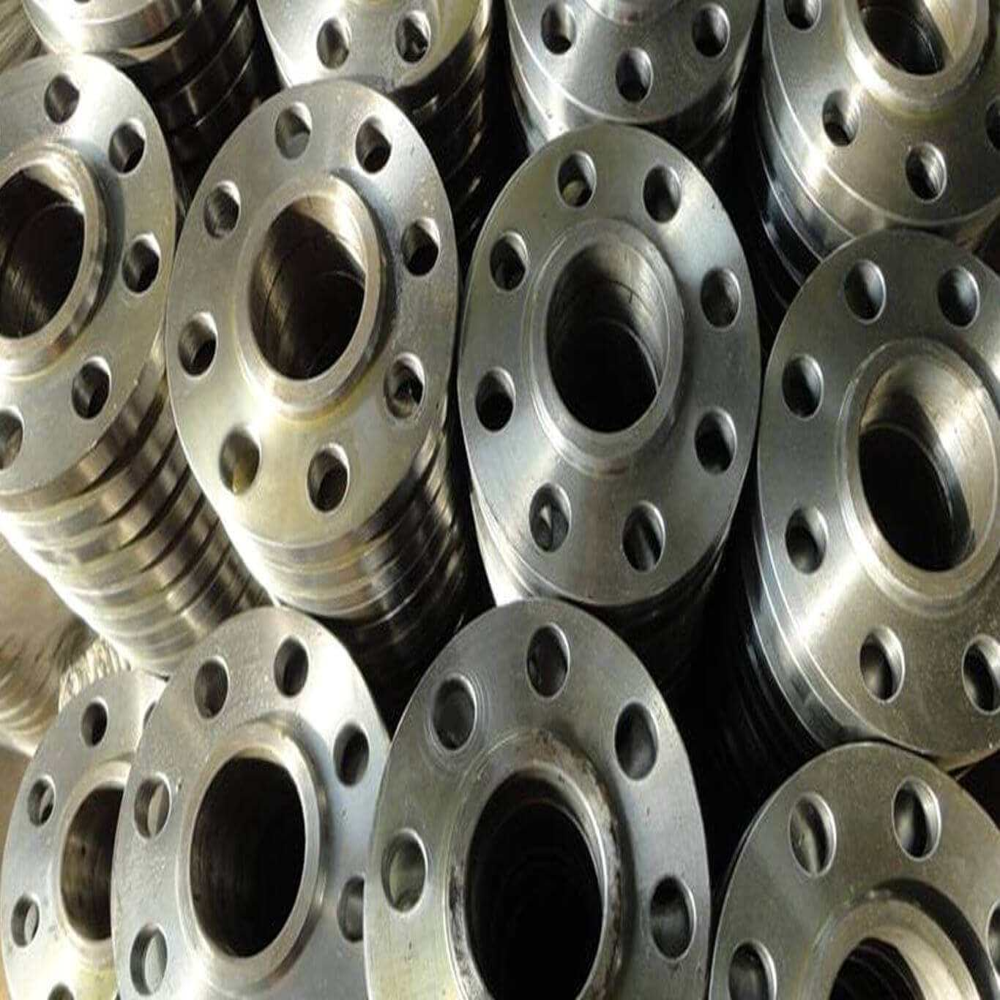
A: Inconel 718 flanges are designed for both new and retrofit installations across global industrial sites. They are typically packaged in sturdy wooden cases or pallets, but packaging can be customized to meet specific customer and project transportation requirements to ensure protection against damage.
Q: What benefits do Inconel 718 flanges offer compared to other materials?
A: Inconel 718 flanges offer superior resistance to cracking and corrosion, especially in environments with chloride and sulfide exposure. Their high tensile (965 MPa) and yield strength (550 MPa), excellent elongation, and broad temperature endurance provide long-term reliability with reduced maintenance, outperforming many standard alloy or stainless steel flanges.
Q: What standards and tolerances are supported for custom requirements?
A: Flanges are manufactured to comply with international standards such as ASTM B564, ASME SB564, DIN, ANSI, JIS, BS, and EN. Tolerances can be as tight as 0.5 mm or aligned to customer specifications, and custom sizes (from 1/2" to 48" or DN15 to DN1200) and thicknesses can be accommodated.
Q: How are these flanges manufactured and finished?
A: Inconel 718 flanges are typically manufactured through forging, CNC machining, and heat treating for optimal mechanical properties. Surface treatments available include bright, black, polished, and rust-proof oil finishes, resulting in a durable and customized component as per project or client requirements.





 Send Inquiry


 Send Inquiry
 Send Inquiry
 Send SMS


