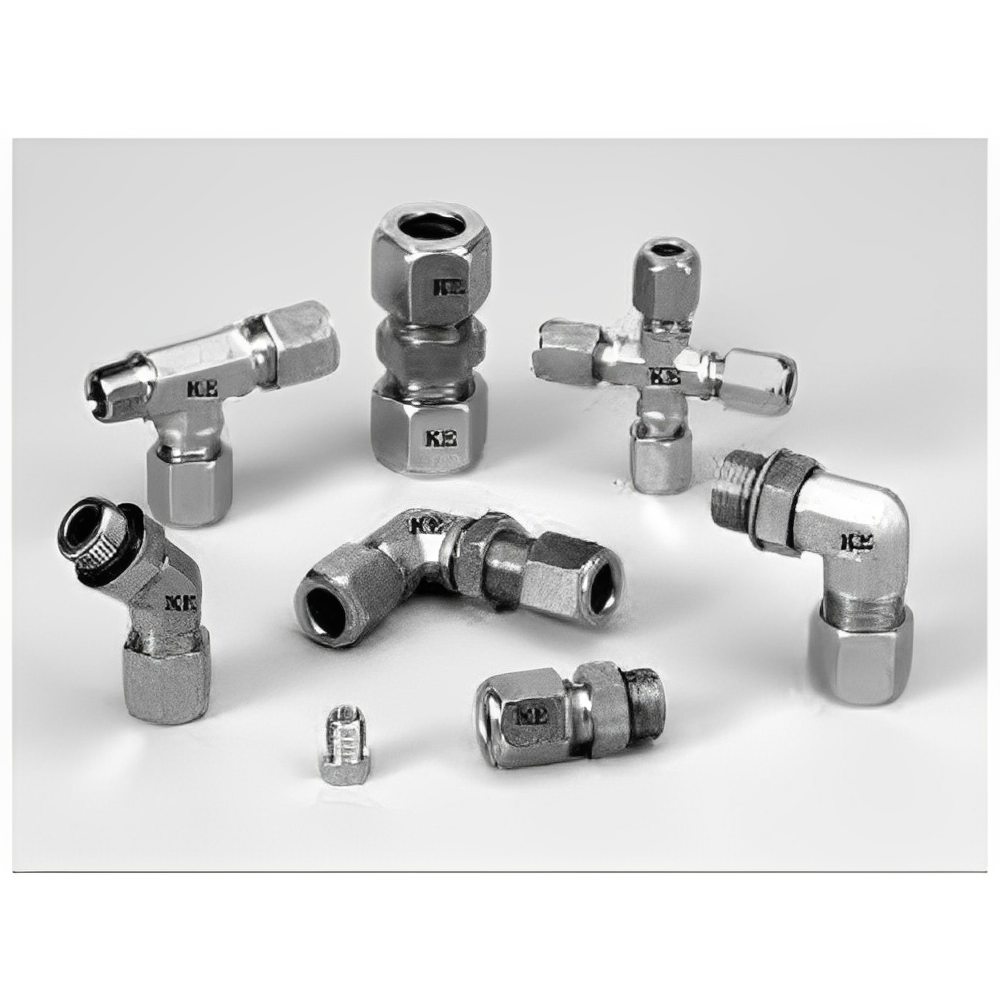
Inconel 718 Instrumentation Fittings About
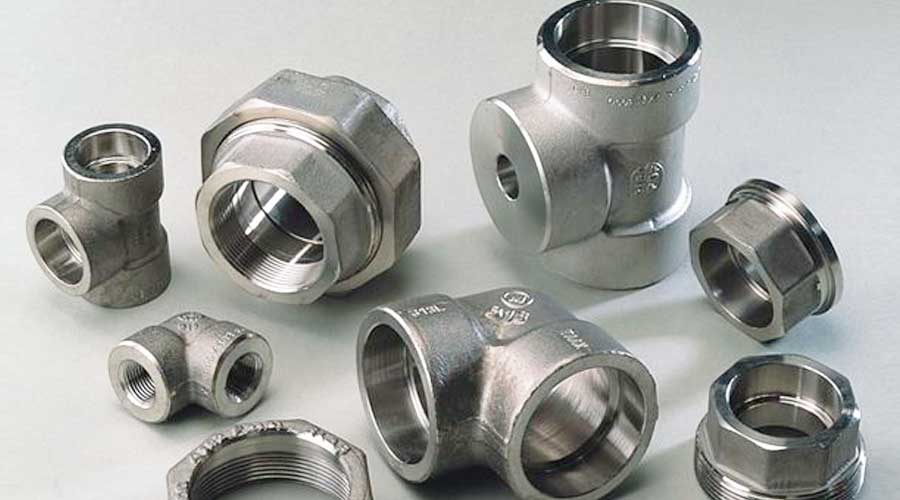
The 718 Inconel Instrumentation Fittings, an alloy used in various instrumentation applications, including the aerospace industry, is composed of a unique combination of elements: nickel and chromium. The alloy comprises 58-63% nickel, 1.0-2.0% carbon, 2.8-3.3% iron, and 19-23% chromium, with small traces of other elements added for a specific strength, hardening, and other desired qualities. The exact chemical composition varies slightly by company. Still, all feature high durability due to the excellent protection against oxidation and corrosion and good workability at relatively high temperatures of up to 2000 degrees Fahrenheit. Inconel Instrumentation 718 Fittings offer a reliable option for industrial uses where exacting standards are required.
Superior Corrosion and Temperature ResistanceCrafted from nickel-chromium alloy Inconel 718, these instrumentation fittings are engineered for environments requiring outstanding resilience against oxidation and corrosion. Their robust design ensures durability and reliability even in extremely low and high temperatures, ranging from -196C to +700C, making them suitable for diverse and challenging industrial applications.
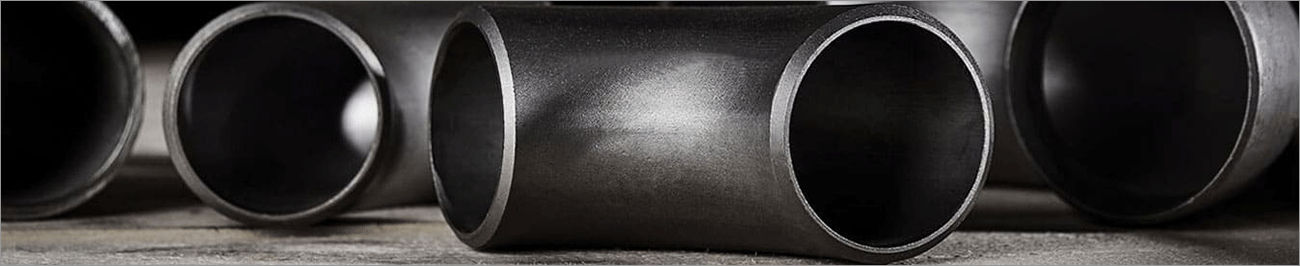
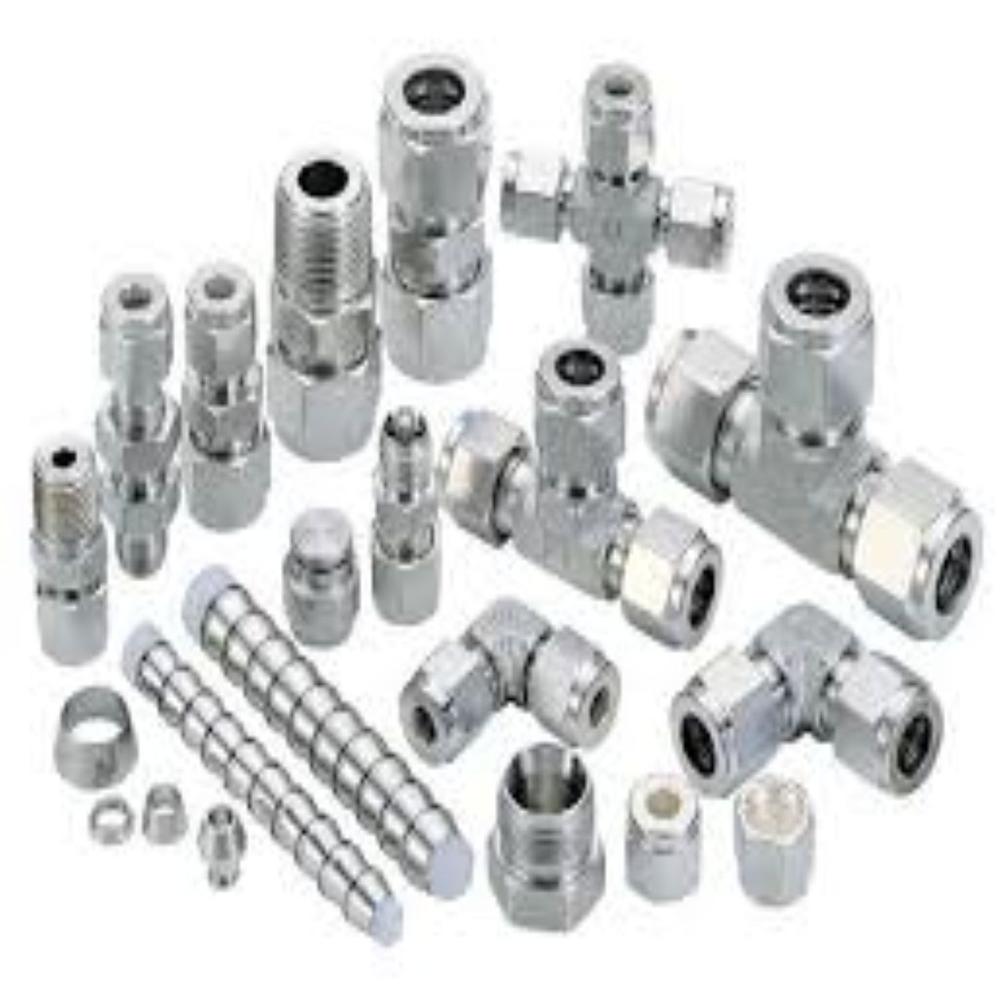
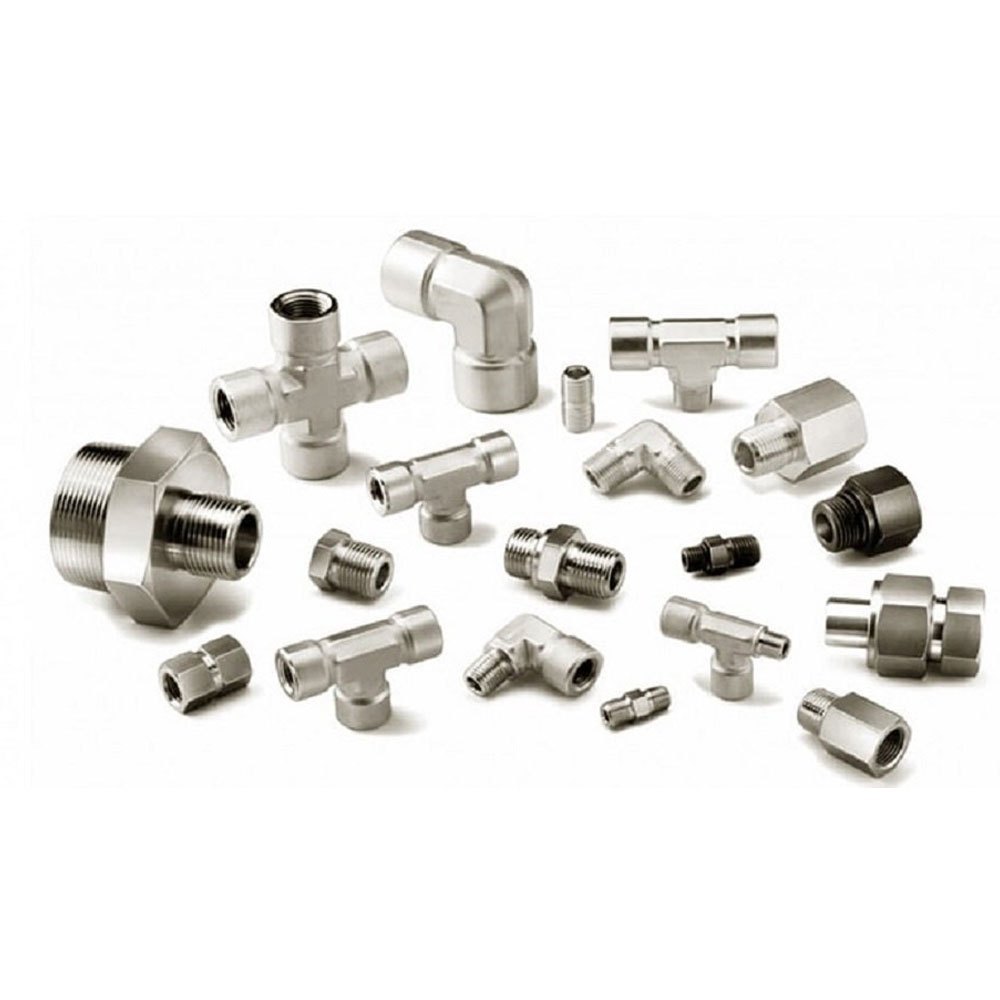
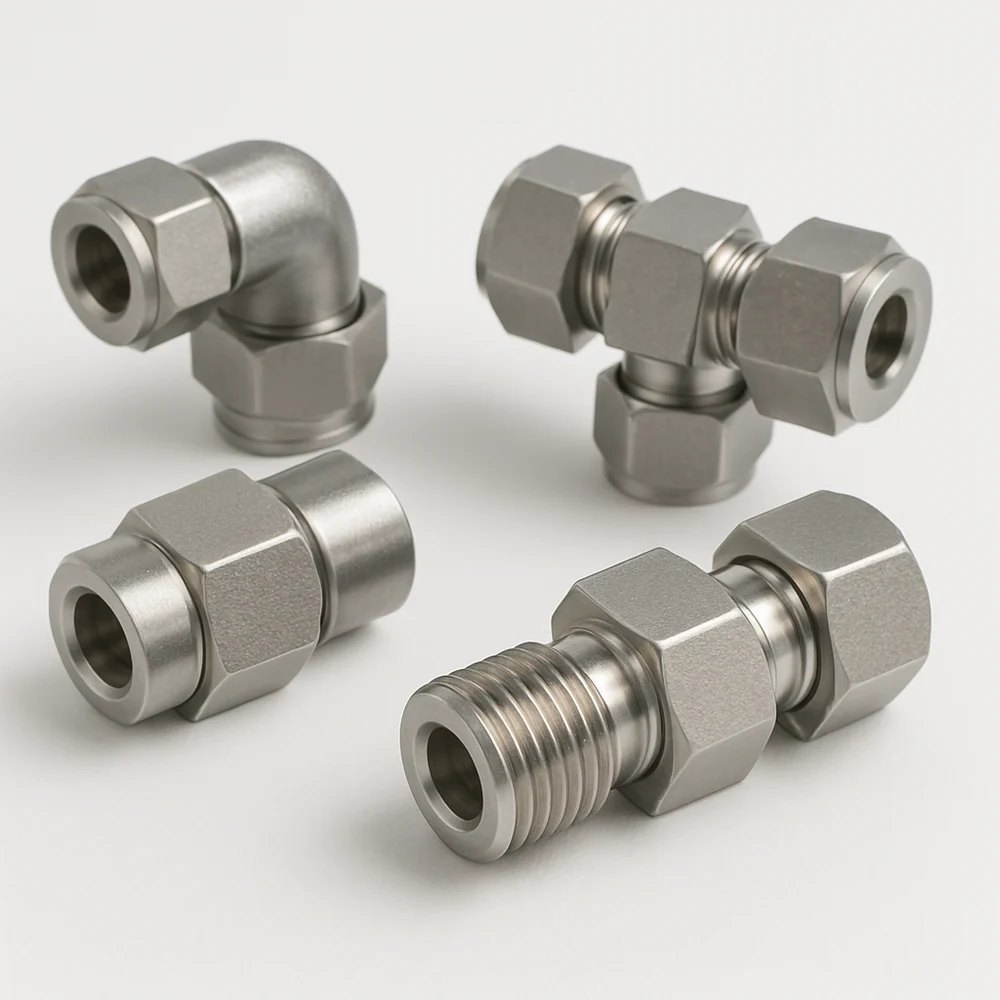
Versatile Connection and Customization OptionsInconel 718 fittings are available with a variety of end connections-including threaded, socket weld, and butt weld-plus several connection types like male/female thread, tube-to-tube, and tube-to-pipe. Clients can choose between different thread standards (NPT, BSPT, BSP, ISO, SAE, UNF) and order fittings in straight, elbow, tee, cross, or custom shapes to fit their specific project needs.
FAQ's of Inconel 718 Instrumentation Fittings:
Q: How are Inconel 718 instrumentation fittings tested to ensure quality and performance?
A: The fittings undergo multiple rigorous testing procedures, such as hydrostatic, pneumatic, Positive Material Identification (PMI), Dye Penetrant (DP), and visual inspections. These comprehensive tests verify material authenticity, structural integrity, and the absence of surface defects to ensure reliable operation in critical environments.
Q: What benefits do Inconel 718 fittings offer in high-pressure and high-temperature applications?
A: Inconel 718 instrumentation fittings provide exceptional resistance to oxidation, corrosion, and creep under high-pressure conditions (up to 6,000 psi) and extreme temperatures (-196C to +700C). Their robustness ensures long-term performance and safety in aggressive industrial settings like oil & gas, power generation, and aerospace.
Q: When should I use Inconel 718 fittings over standard stainless steel fittings?
A: Inconel 718 fittings are recommended when applications involve severe service conditions, such as exposure to corrosive fluids, high pressures, or wide temperature ranges beyond the capability of standard stainless steel. Their superior mechanical properties and resilience make them ideal for demanding environments where reliability is paramount.
Q: Where are Inconel 718 instrumentation fittings typically installed?
A: These fittings are widely used in critical instrumentation lines, control systems, and fluid connections within industries such as petrochemical, oil & gas, aerospace, and power generation, specifically where corrosion resistance and precision are crucial for system safety and performance.
Q: What connection options and standards are available for these fittings?
A: Customers can select from various male/female threads, tube-to-tube, and tube-to-pipe connections following international standards including NPT, BSPT, BSP, ISO, SAE, and UNF. End connections also include threaded, socket weld, and butt weld, with customizable shapes and dimensions to meet specific project requirements.
Q: How are Inconel 718 instrumentation fittings manufactured?
A: These fittings are produced using advanced forging, machining, and heat treatment processes. The surface is then polished and passivated, ensuring a bright annealed finish and enhanced corrosion resistance. All manufacturing adheres to ASTM B366, ASME SB366, DIN, JIS, and EN standards.





 Send Inquiry


 Send Inquiry
 Send Inquiry
 Send SMS


