Inconel 725 Flanges About
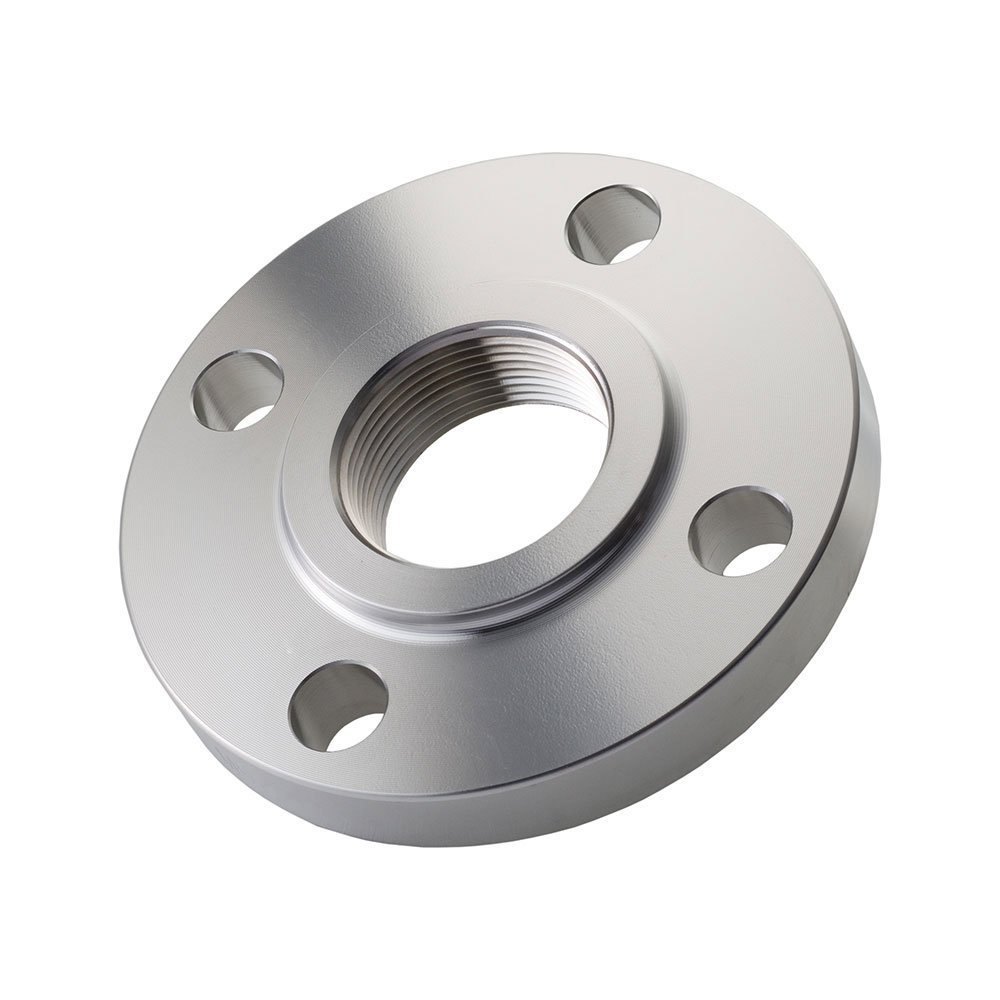
Inconel 725 Flanges are advanced parts made out of a nickel-chromium combination famous for opposing corrosion, oxidation, and heat. These flanges are strengthened with molybdenum, niobium, and titanium, thus showing enhanced mechanical properties such as high tensile strength and high durability, which are ideal for use in the industrial markets. Inconel 725 Flanges are used in oil and gas and chemical processing, marine and aerospace industries to make leakproof joints between pipes, valves and other apparatus.
Versatile Pressure and Size OptionsInconel 725 flanges are available in a comprehensive range of pressure ratings (Class 150 to 2500, PN6 to PN400) and sizes from 1/2" to 24" (DN15 - DN600), accommodating diverse pipelines and system requirements. Custom sizing can also be provided.
Superior Corrosion ResistanceThanks to their nickel-chromium-molybdenum alloy composition, Inconel 725 flanges deliver outstanding resistance to pitting, crevice corrosion, and chloride-induced stress-corrosion cracking, even in the harshest of conditions.
International Standards and CustomizationEach flange is manufactured and tested in accordance with ASTM B564 / ASME SB564 and dimensional standards such as ANSI/ASME B16.5, B16.47, BS4504, DIN, EN-1092, and JIS. Custom thicknesses, tolerances, and end face types are available, ensuring tailored solutions.
FAQ's of Inconel 725 Flanges:
Q: How are Inconel 725 flanges typically used in industrial applications?
A: These flanges are widely employed in oil & gas, petrochemical, offshore, marine, chemical processing, power generation, and aerospace industries, thanks to their strength and resistance to harsh environmental factors.
Q: What are the main benefits of choosing Inconel 725 flanges over other materials?
A: The primary advantages include superior resistance to pitting and crevice corrosion, exceptional performance in chloride-ion environments, high strength (yield strength: 517 MPa, tensile strength: 931 MPa), and durability at temperatures up to 593C (1100F).
Q: When should I opt for a specific connection type like butt weld or screwed for these flanges?
A: The choice of connection-such as butt weld, screwed, or flanged-depends on pipeline design, pressure requirements, and installation conditions. Consult your project's engineering specifications to determine the optimal connection method for reliable performance.
Q: Where can Inconel 725 flanges be applied according to international standards?
A: These flanges meet global dimensional and quality standards (e.g., ASTM B564, ASME B16.5, EN-1092, etc.), making them suitable for widespread use in both domestic and international projects across various industries.
Q: How does the manufacturing process enhance the quality of Inconel 725 flanges?
A: They are produced through forging, heat treatment, and precise machining followed by surface treatments such as pickling, polishing, or sand blasting. This process ensures consistent material structure, strength, and corrosion resistance.
Q: What face types and shapes are available for Inconel 725 flanges?
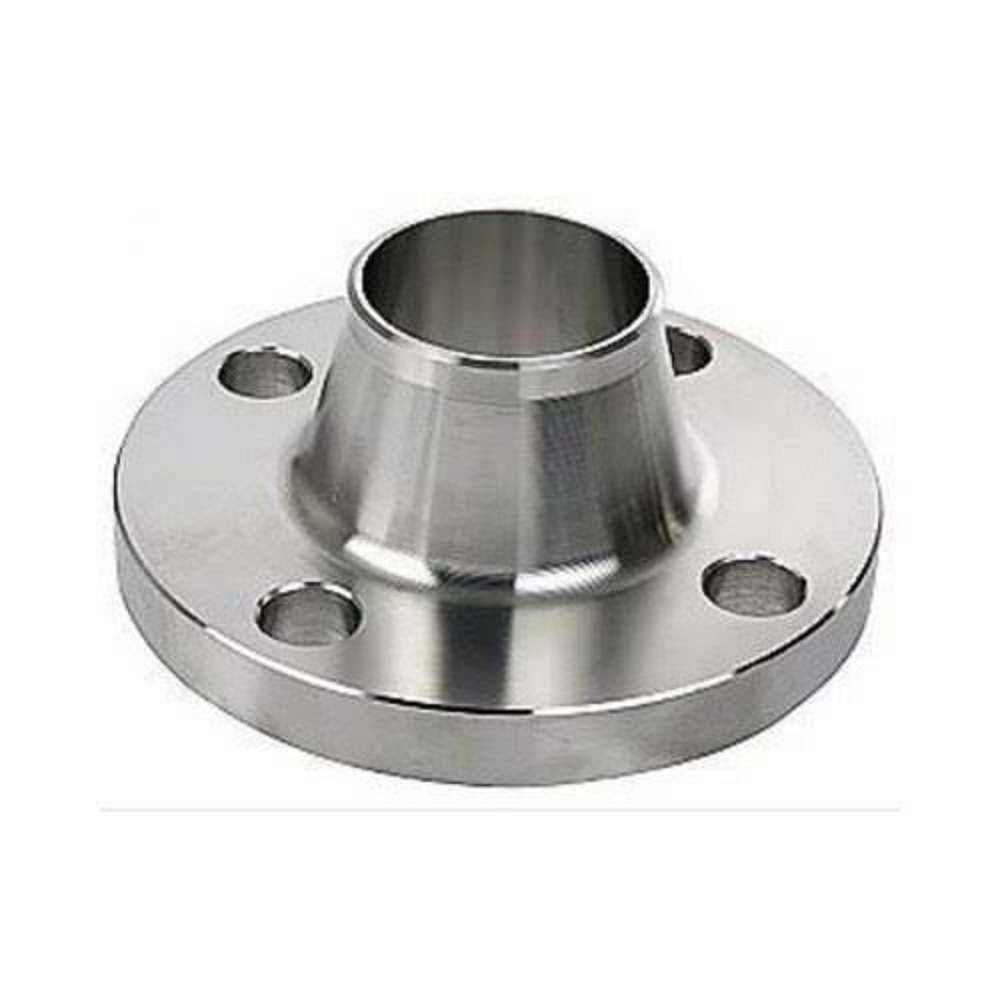
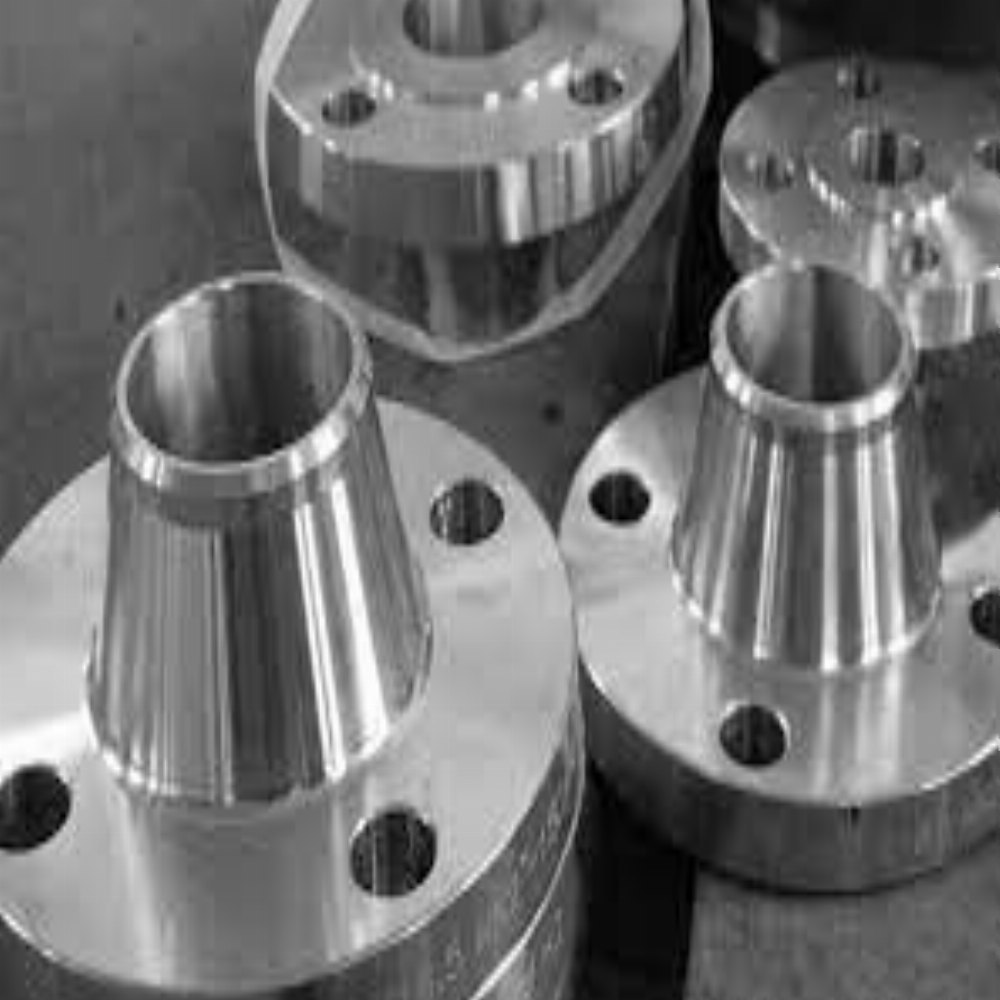
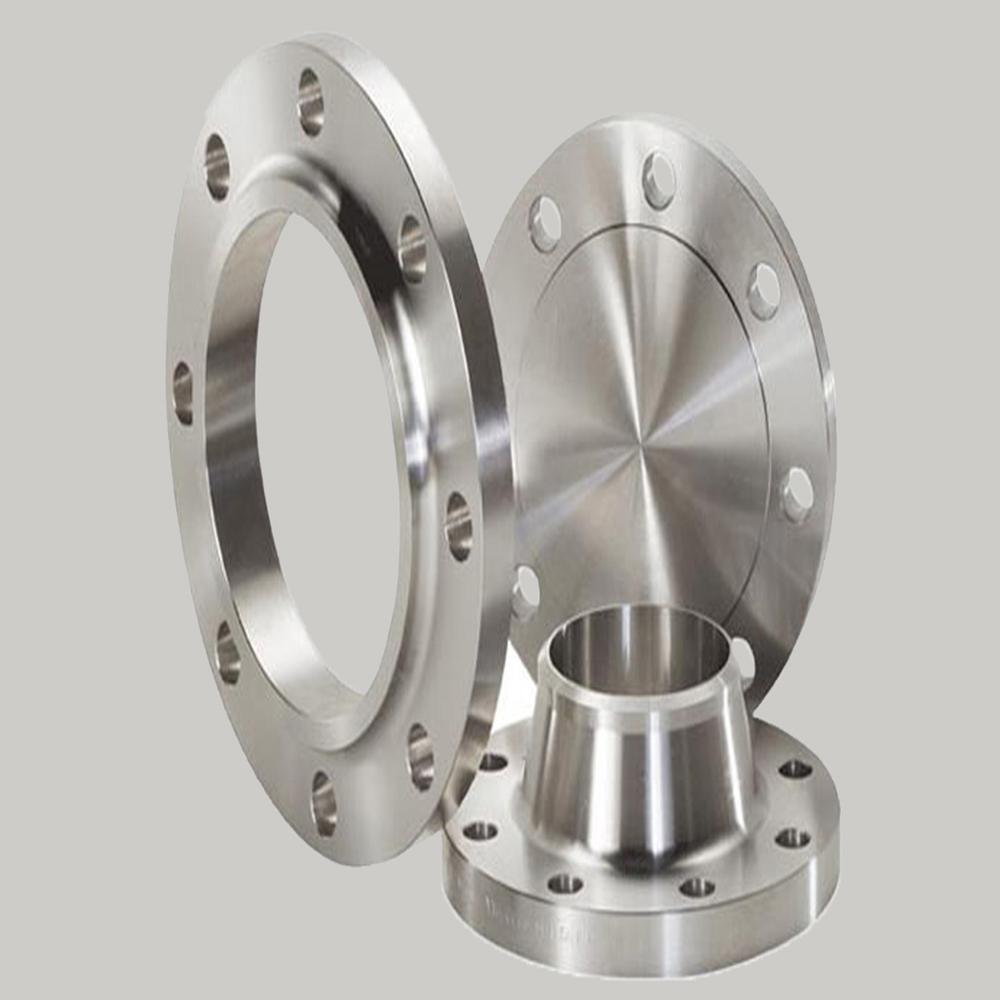
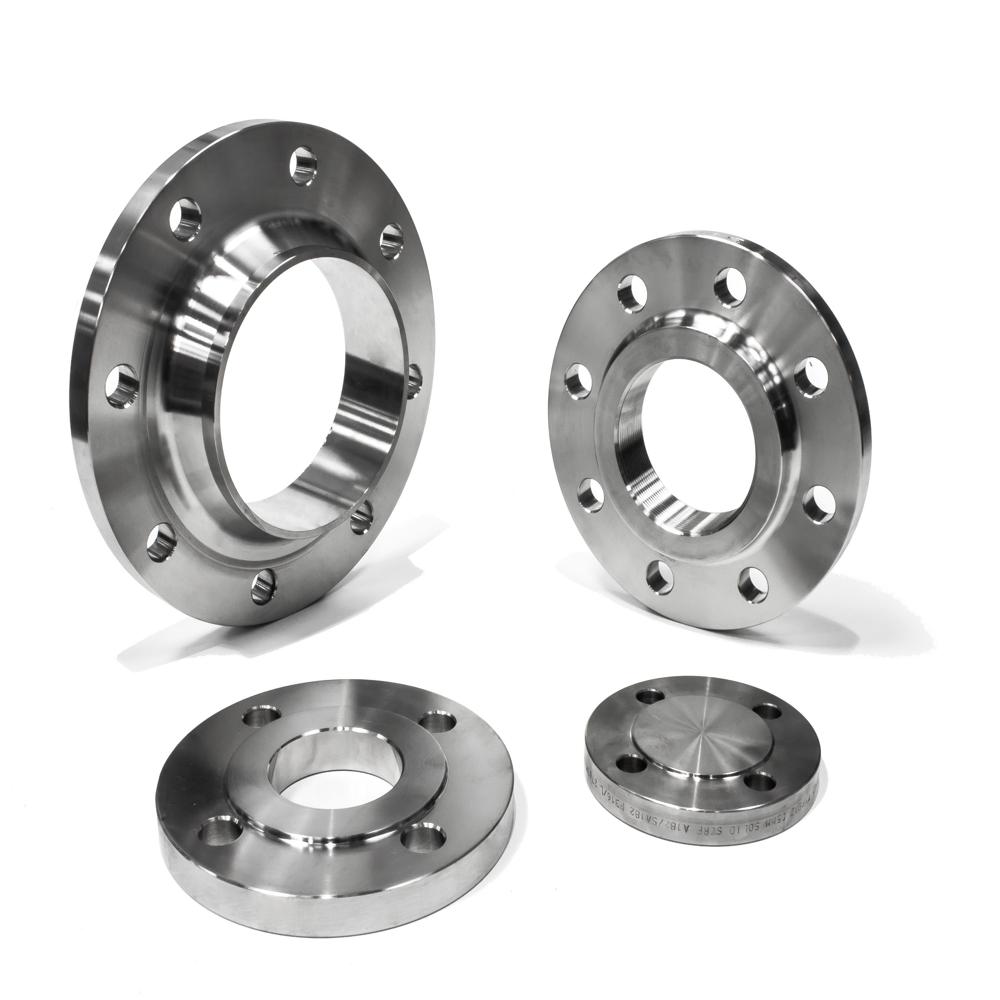
A: Options include Raised Face (RF), Flat Face (FF), and Ring Type Joint (RTJ). Flange shapes include weld neck, slip on, blind, socket weld, threaded, lap joint, spectacle blind, and even custom-designed types to fit specific needs.





 Send Inquiry


 Send Inquiry
 Send Inquiry
 Send SMS


