Inconel 800HT Angle About
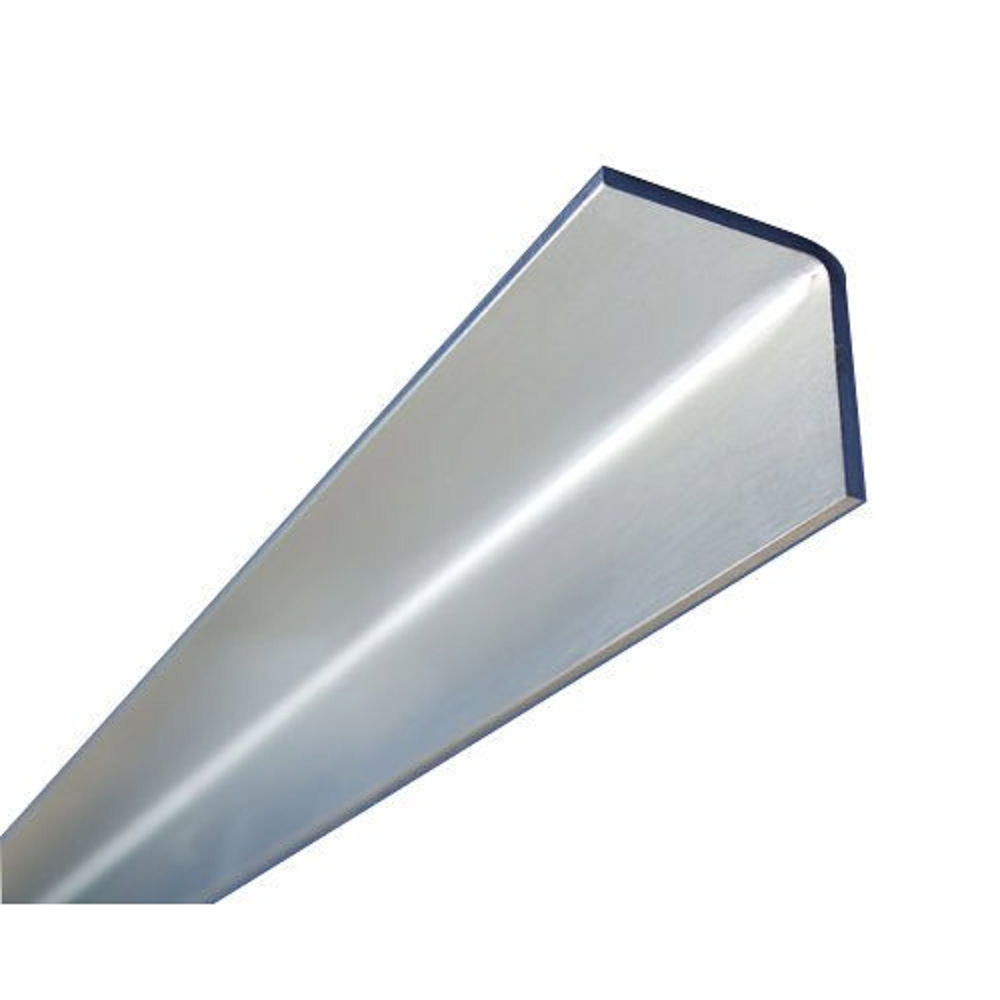
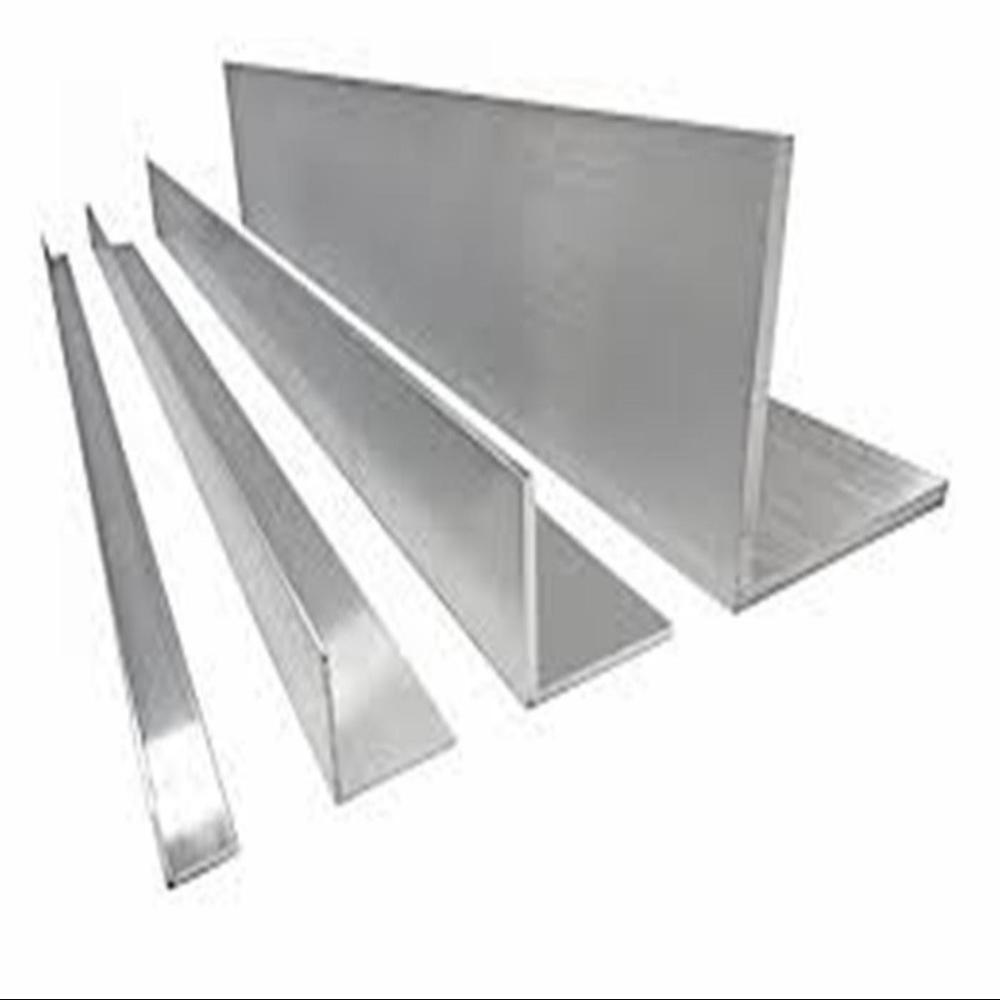
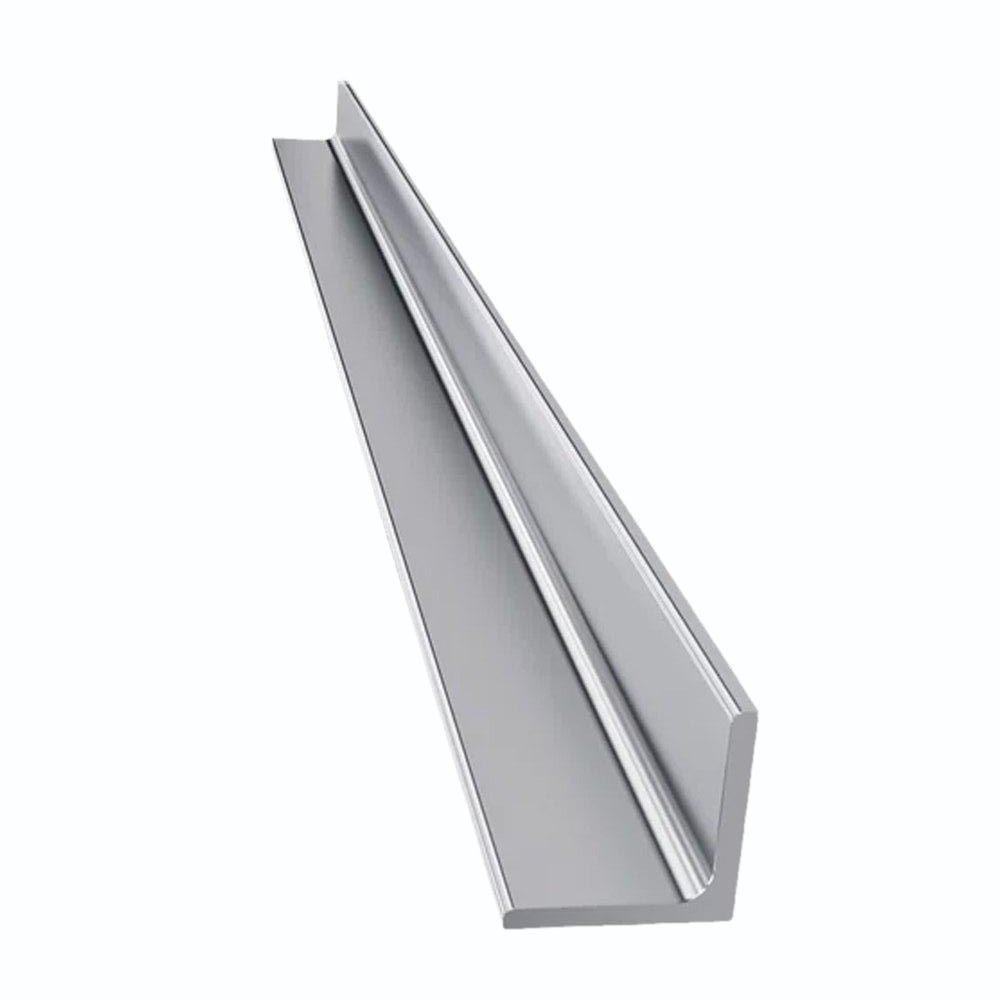
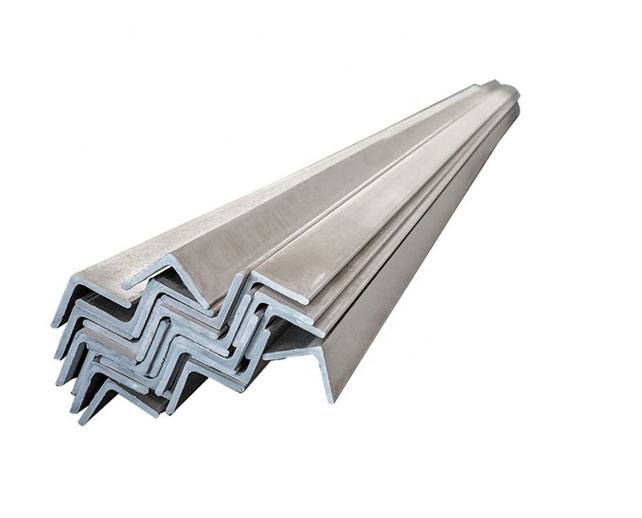
Inconel 800HT Angle is a structural part manufactured from Inconel 800HT, a nickel-chromium-iron-based alloy for high-temperature usage. This alloy has higher strength and is resistant to oxidation and carburisation. Thus, it is ideal for use in harsh conditions where mechanical stability and resistance to corrosion are paramount.
Outstanding Temperature and Corrosion ResistanceInconel 800HT Angle excels in resisting both high temperatures up to 1100C and corrosive environments. Its unique composition provides reliability in harsh conditions, especially in the petrochemical, power generation, and furnace industries, making it a top choice for extended service life.
Versatile Sizing and Edge OptionsAvailable from 2 to 6 meters in length with customizable dimensions, the angle caters to diverse project requirements. Select between sharp or rounded edges for precision-fitting installations, and choose from various thicknesses and finishes for best performance in your specific application.
Certified Quality and ComplianceManufactured to meet international standards such as ASTM B409, ASME SB409, and EN 10088-3, these angles undergo rigorous quality checks. Customers can select from mill finish, brushed, pickled, or polished surfaces, and options like hot/cold rolled or seamless construction ensure optimal suitability for tough industrial settings.
FAQ's of Inconel 800HT Angle:
Q: How does Inconel 800HT Angle perform in high-temperature environments?
A: Inconel 800HT Angle is engineered to retain its mechanical strength and structural integrity at temperatures up to 1100C (2010F), making it suitable for applications involving prolonged exposure to high heat, such as furnace equipment and heat exchangers.
Q: What applications benefit most from using Inconel 800HT Angles?
A: These angles are widely used in petrochemical processing, power generation, furnace and heat exchanger construction, and chemical processing due to their remarkable corrosion resistance and ability to withstand extreme temperatures.
Q: When should I choose sharp edges versus rounded edges for Inconel 800HT Angle?
A: Sharp edges are ideal for precise assembly and flush joining, while rounded edges are recommended where stress concentrations need to be minimized or where additional safety from sharp corners is required.
Q: Where are these angles typically installed within industrial settings?
A: Inconel 800HT Angles are commonly installed in frameworks, supports, and structural components within high-temperature and corrosive operating environments, such as refinery reactors, furnace linings, and chemical processing units.
Q: What is the process for ensuring dimensional accuracy and finish of the angles?
A: Angles are produced using hot or cold rolling, welded or seamless techniques, followed by finishing processes like pickling, polishing, or brushing. Rigorous tolerance controls (up to 0.5mm) and surface treatments guarantee consistency and quality.
Q: How does the corrosion resistance of Inconel 800HT compare to other alloys?
A: Inconel 800HT offers superior corrosion resistance in oxidizing and carburizing conditions compared to many other alloys, ensuring extended performance and lower maintenance in harsh industrial environments.
Q: What benefits does custom sizing offer for Inconel 800HT Angles?
A: Custom sizing allows these angles to be tailored for specific project requirements, reducing fabrication time, enhancing assembly efficiency, and ensuring optimal structural compatibility in complex installations.





 Send Inquiry


 Send Inquiry
 Send Inquiry
 Send SMS


