Monel 400 Flanges About
Monel 400 is a nickel copper alloy widely used due to its fine characteristics in different environments, especially in relation to seawater and hydrofluoric acid. Thus, Monel 400 flanges are important in industries.
Superior Corrosion ResistanceMonel 400 flanges excel in environments where corrosion is a major concern, notably resisting the effects of seawater and various acids. Their nickel-copper alloy composition ensures longevity and reliable performance even under aggressive conditions, making them the preferred choice for marine, chemical, and petrochemical industries.
Diverse Application FlexibilityEngineered to meet a wide spectrum of industrial requirements, Monel 400 flanges are utilized in pressure vessels, refineries, and petrochemical plants. Their broad size range, multiple connection types, and customizable dimensions allow them to integrate seamlessly with various pipelines and equipment, optimizing system efficiency and safety.
Manufactured for Reliability and StrengthProduced using advanced forging, machining, and CNC methods, Monel 400 flanges exhibit outstanding mechanical strength with a minimum tensile strength of 480 MPa. They maintain high impact toughness at subzero temperatures and are thoroughly tested-including hydrostatic, PMI, ultrasonic, and radiographic inspections-to ensure unwavering integrity in service.
FAQ's of Monel 400 Flanges:
Q: How are Monel 400 flanges manufactured and tested to ensure quality?
A: Monel 400 flanges are manufactured using forging, machining, and CNC finishing techniques, followed by rigorous quality testing. Each flange undergoes hydrostatic, positive material identification (PMI), ultrasonic, and radiography examinations to guarantee structural integrity, precise chemical composition, and dimensional accuracy as per ASTM and ASME standards.
Q: What applications are best suited for Monel 400 flanges?
A: These flanges are ideal for demanding sectors such as pressure vessels, refining, and petrochemical industries due to their excellent resistance to seawater and acids. Their strength and non-magnetic nature make them well-suited for environments with high pressure, temperature variations, and corrosive media exposure.
Q: When should I choose a specific type of Monel 400 flange (e.g., slip on, weld neck, blind)?
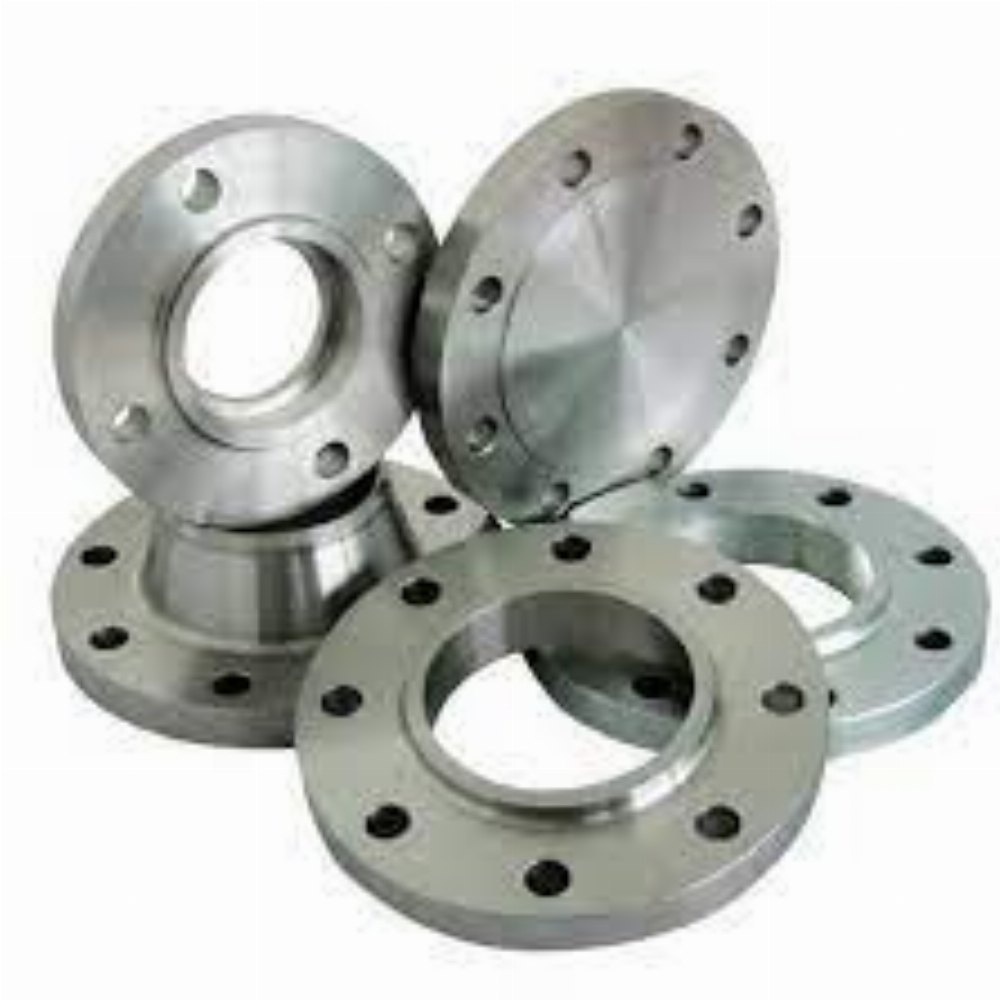
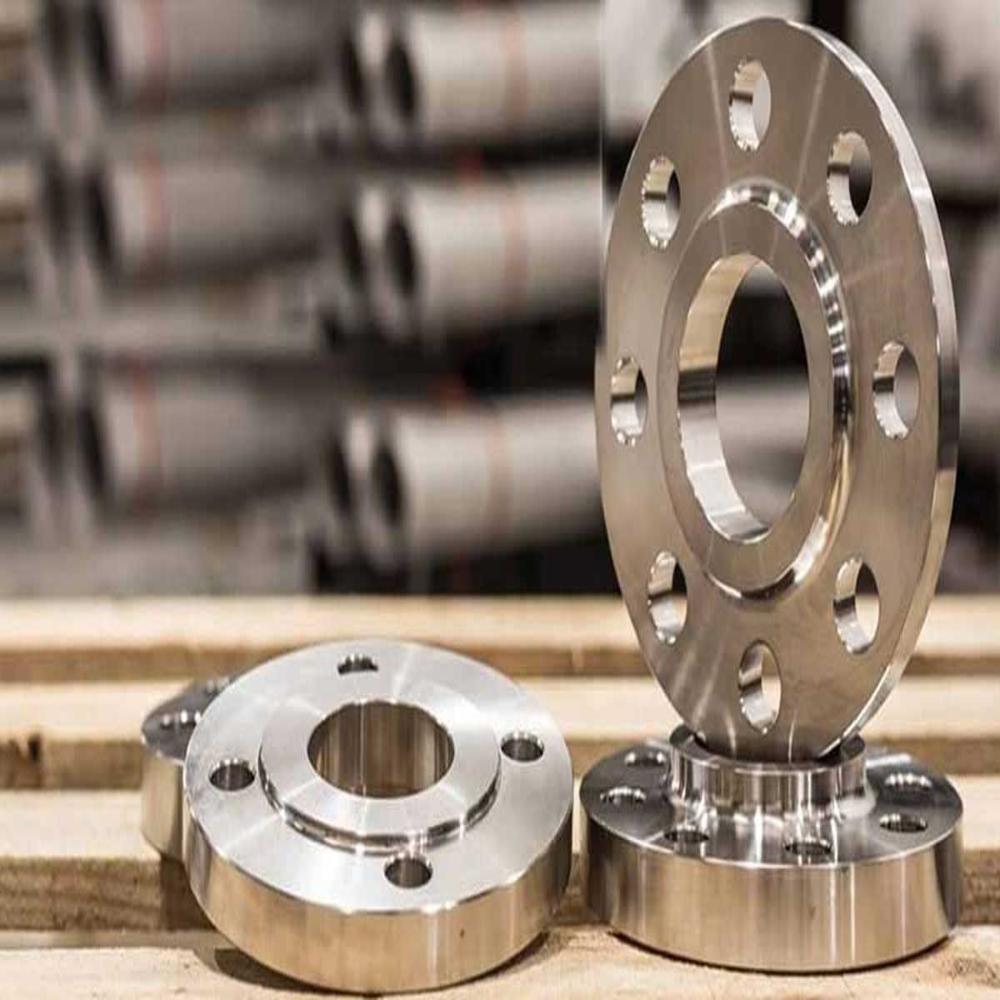
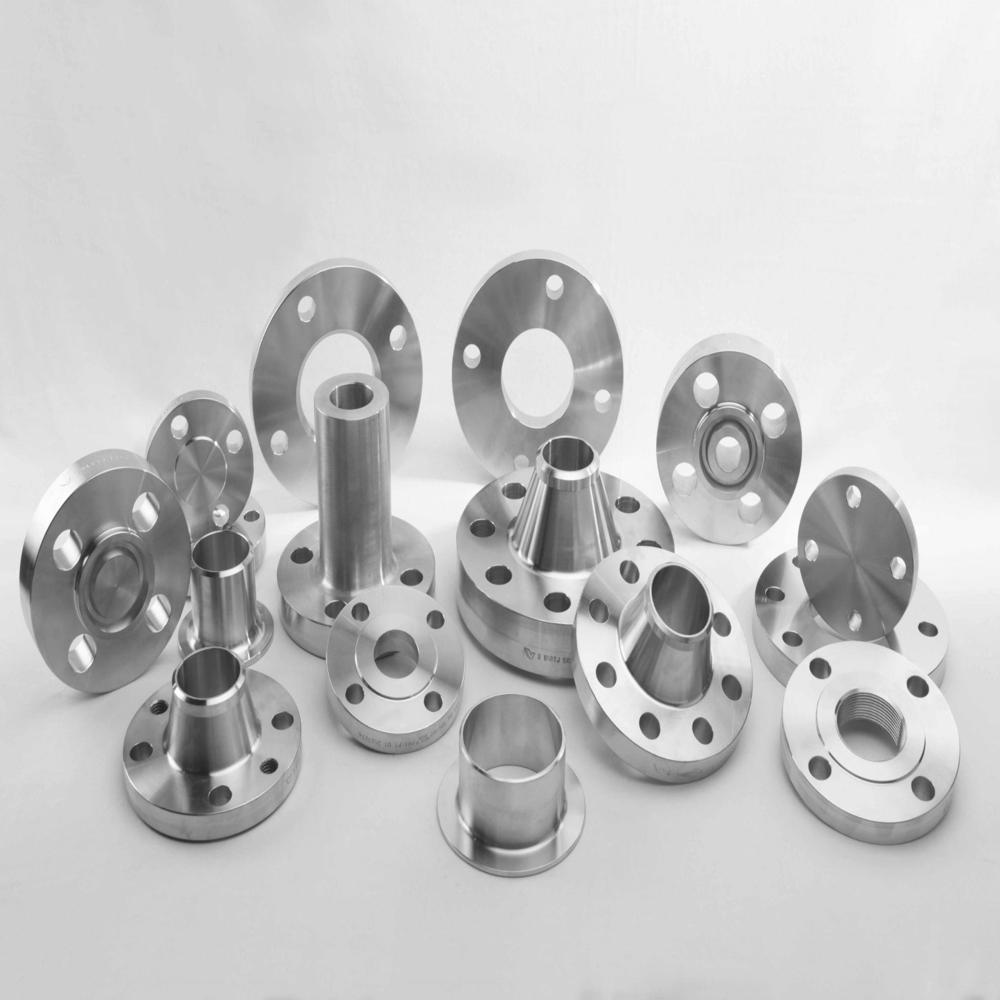
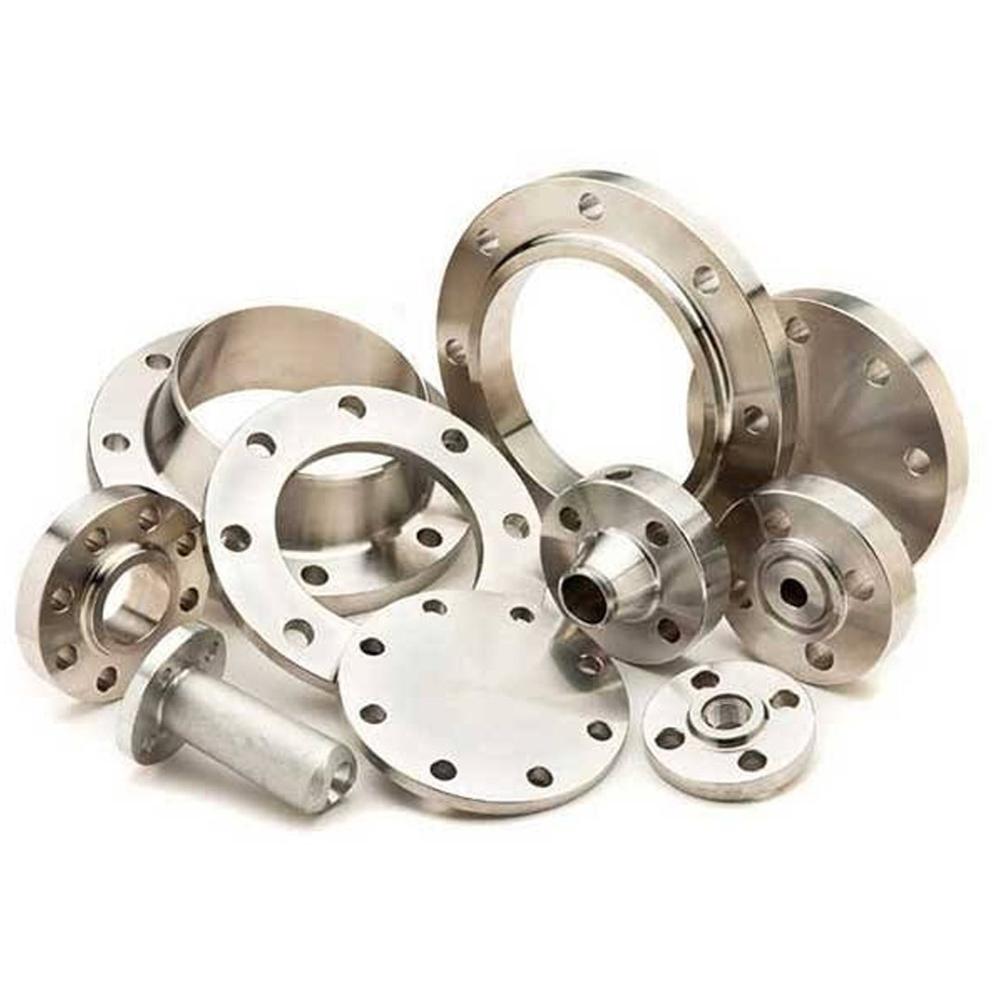
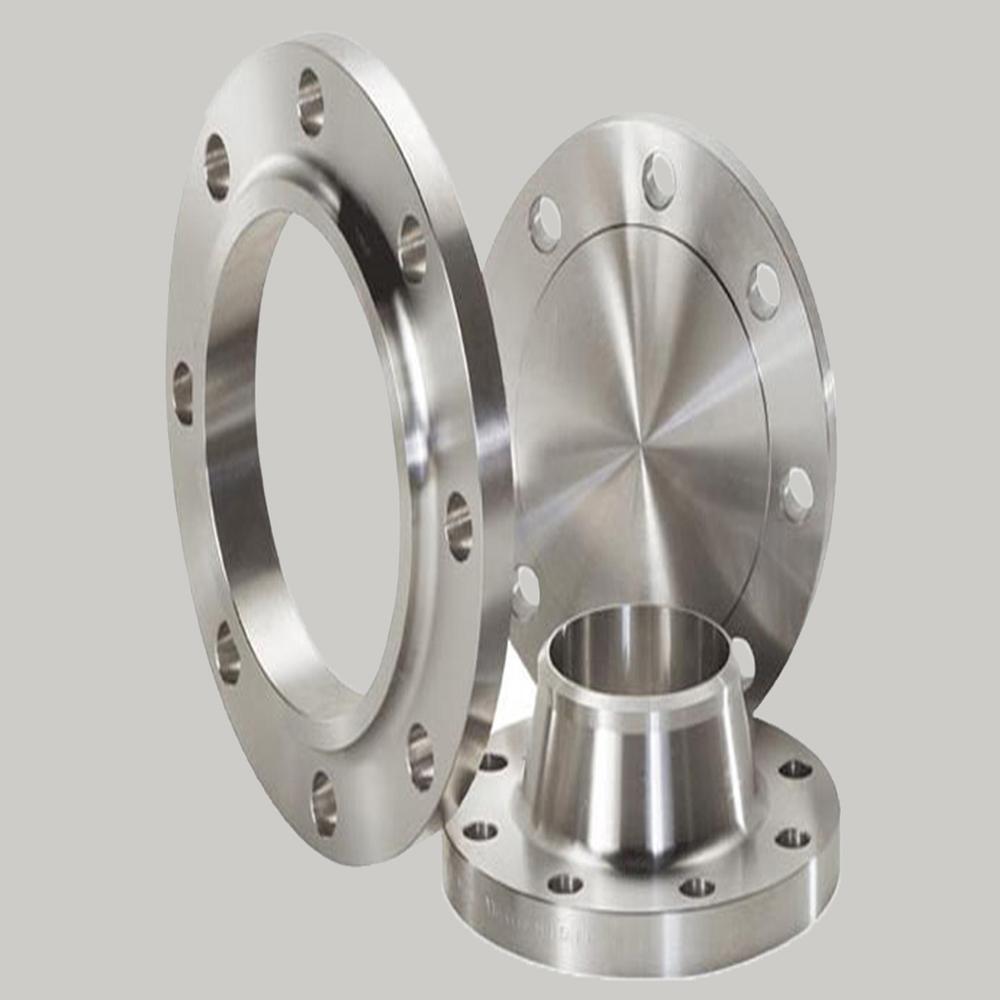
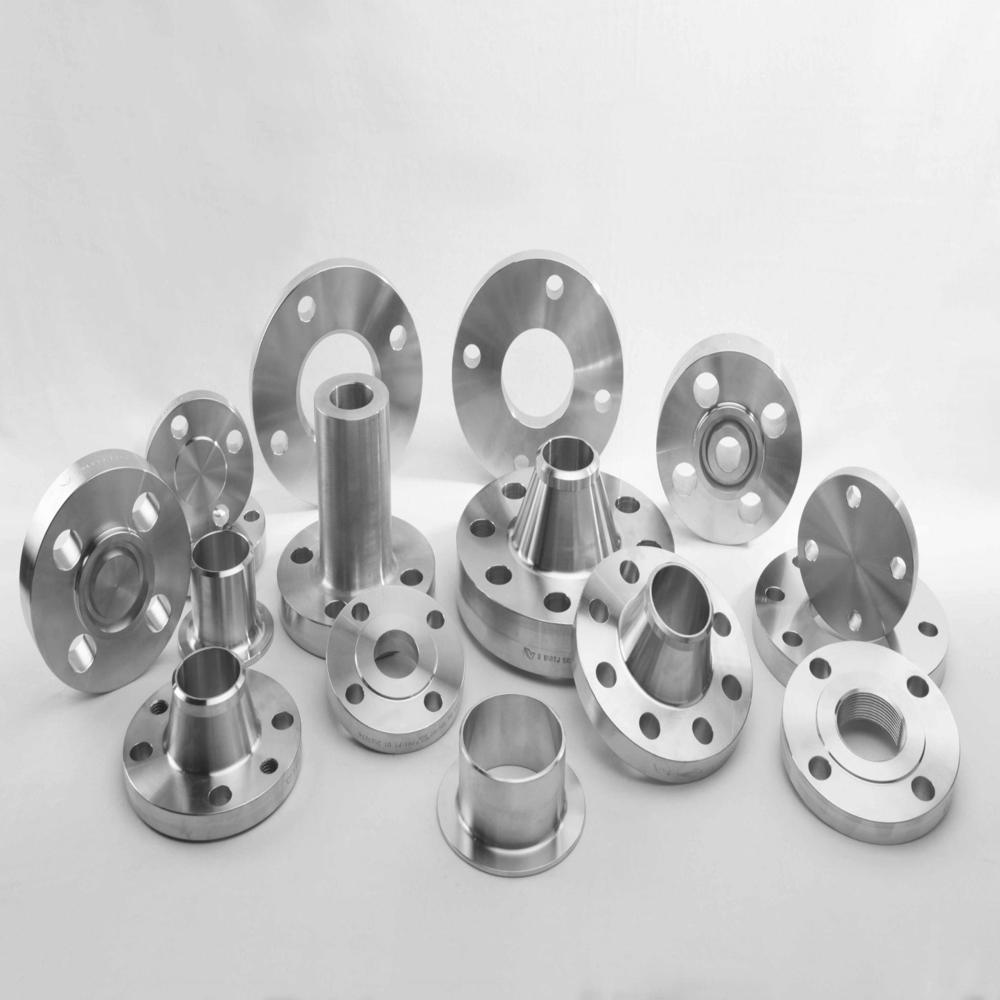
A: The selection depends on your system's requirements: slip on flanges are popular for ease of installation; weld neck flanges offer superior stress handling and are preferred for high-pressure systems; blind flanges close pipeline ends; threaded are ideal for smaller sizes or quick connections, while reducing and lap joint types accommodate alignment and size changes.
Q: Where can Monel 400 flanges be installed regarding pressure and temperature ranges?
A: Monel 400 flanges are reliable in a wide spectrum of settings-handling pressures up to Class 2500 and temperatures from -29C to +538C (-20F to +1000F). This versatility enables installation in extreme environments such as deep-sea, chemical plants, and power generation units.
Q: What are the main benefits of using Monel 400 flanges over other alloys?
A: Monel 400 flanges deliver outstanding corrosion resistance, high mechanical strength, and non-magnetic properties, outperforming many other alloys in challenging conditions. Their durability translates into reduced maintenance and longer service life, lowering overall operational costs and ensuring system safety.
Q: How is the packaging of Monel 400 flanges conducted to prevent damage during delivery?
A: Each flange is carefully packaged in protective materials such as wooden cases, pallets, bubble wrap, and can be customized as per client requirements. This meticulous packaging process shields the flanges from physical impact, moisture, and surface damage during transit and storage.





 Send Inquiry


 Send Inquiry
 Send Inquiry
 Send SMS
 Call Me Free


