Super Duplex Steel 2507 Flanges About
Super Duplex Steel 2507 flanges comprise several elements, including chromium, nickel, molybdenum, nitrogen, and iron. The high chromium and nickel content in the material makes it highly resistant to corrosion and staining, while molybdenum and nitrogen enhance its mechanical properties. The iron content provides strength to the material. The typical chemical composition of SD Steel flanges 2507 is 25% chromium, 7% nickel, 4% molybdenum, and 0.3% nitrogen, with the balance being iron.
Precision Engineering and Material ExcellenceManufactured from Super Duplex Stainless Steel (UNS S32750/S32760), these flanges are engineered for both durability and precision. Their composition-high in Chromium, Nickel, Molybdenum, and Nitrogen-translates into excellent mechanical properties and resistance to chloride stress corrosion. Machinability and weldability are optimized for seamless installation in critical piping systems, while annealed temper and smooth finishes ensure both function and aesthetics.
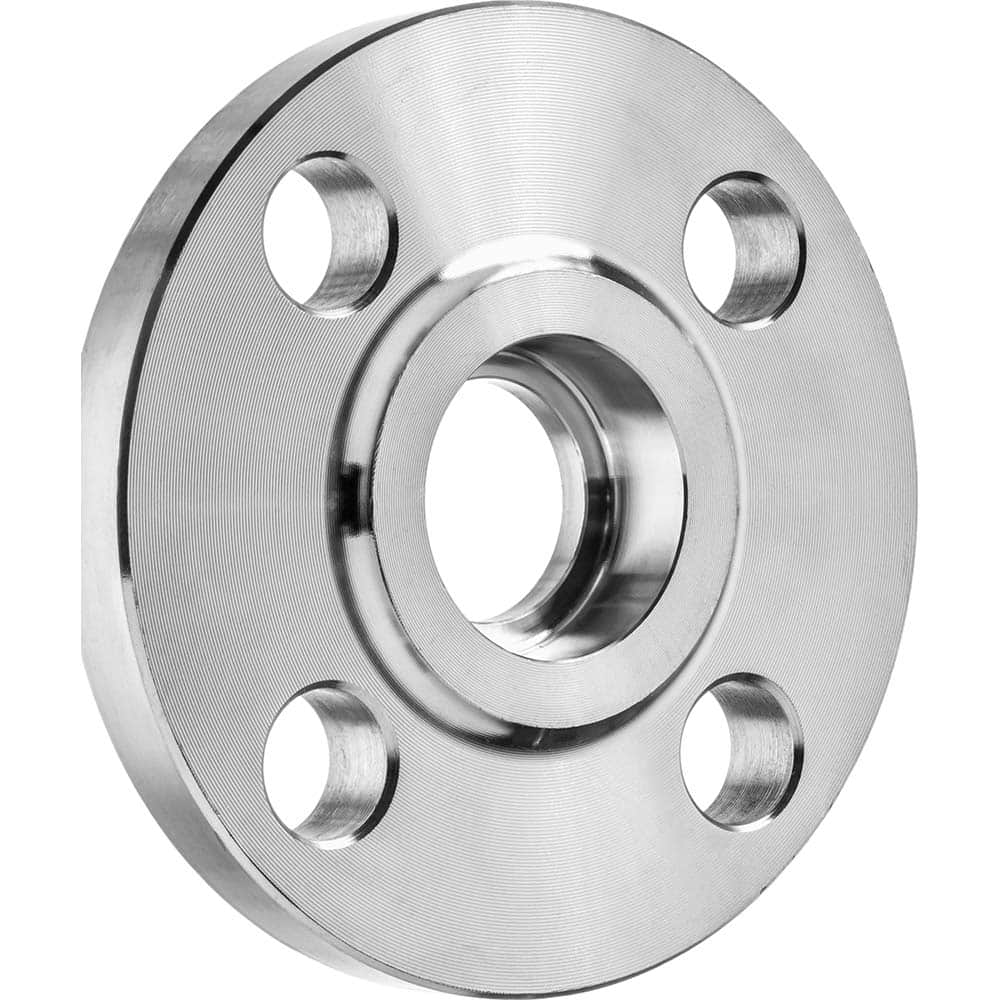
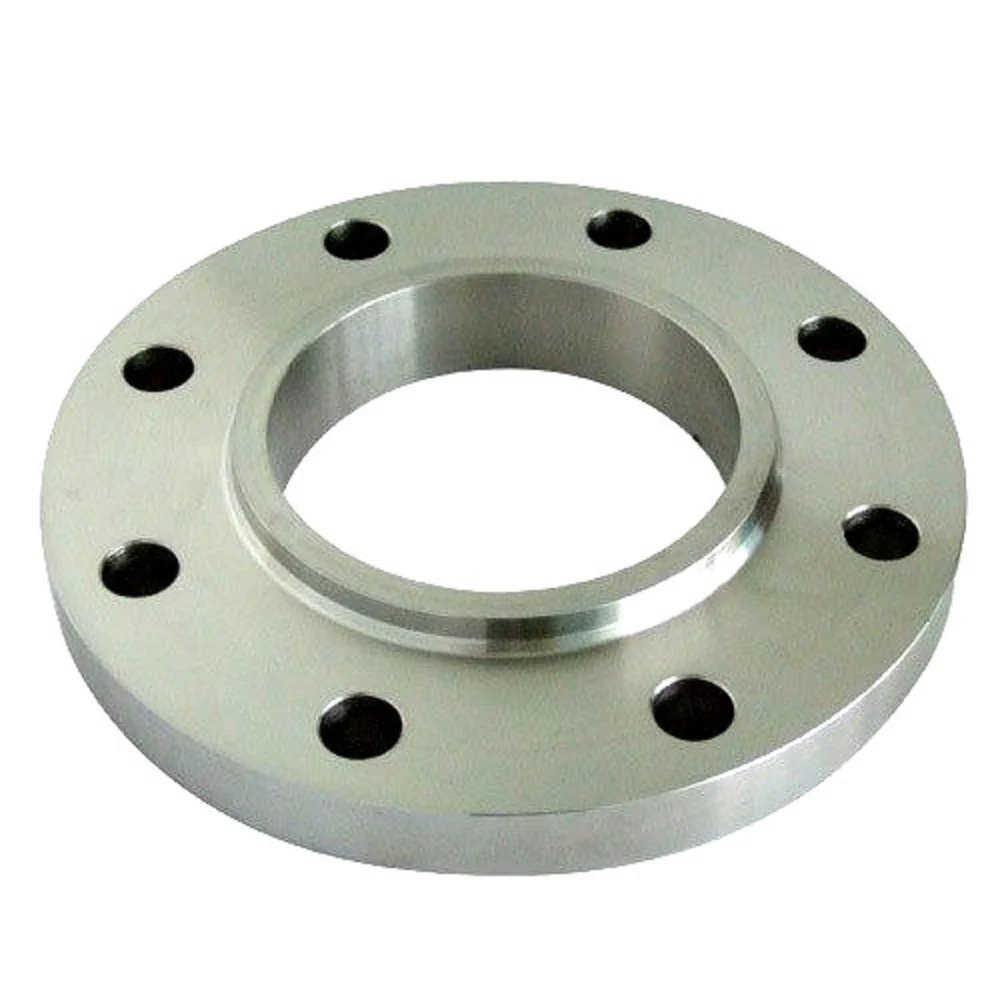
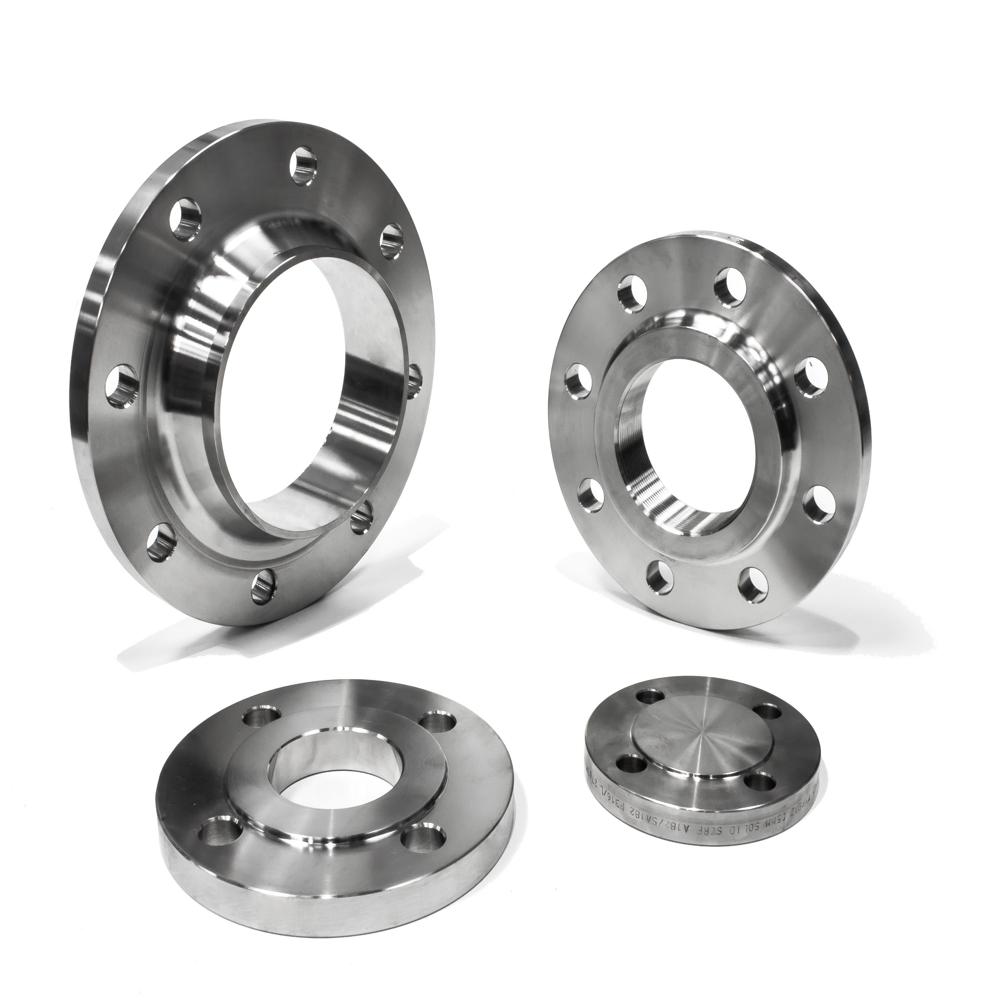
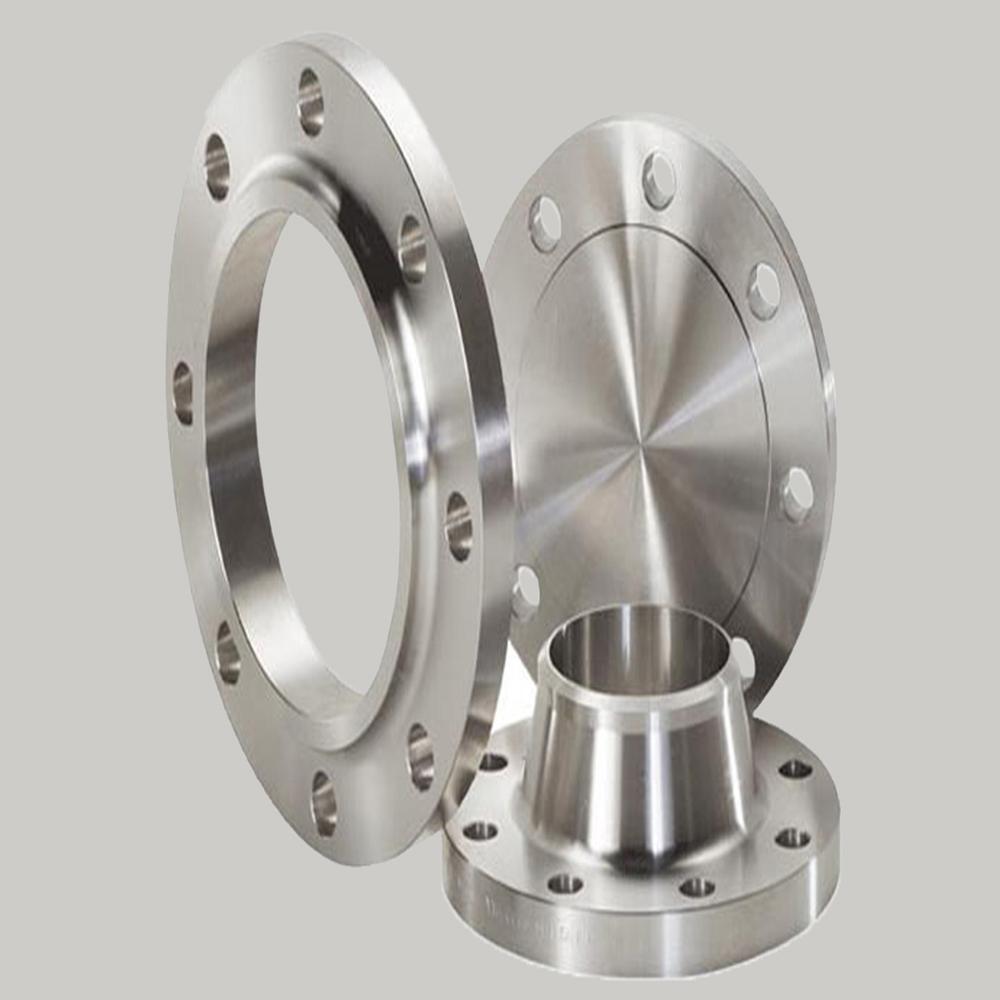
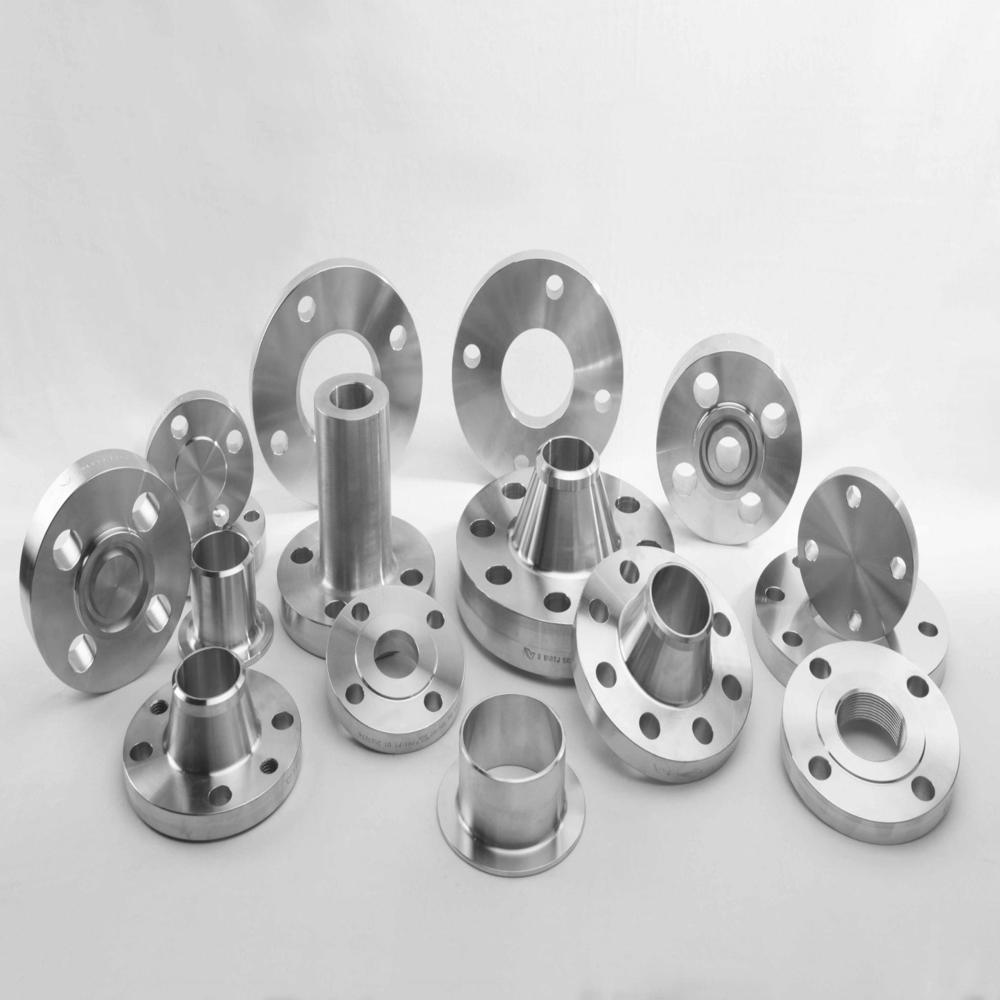
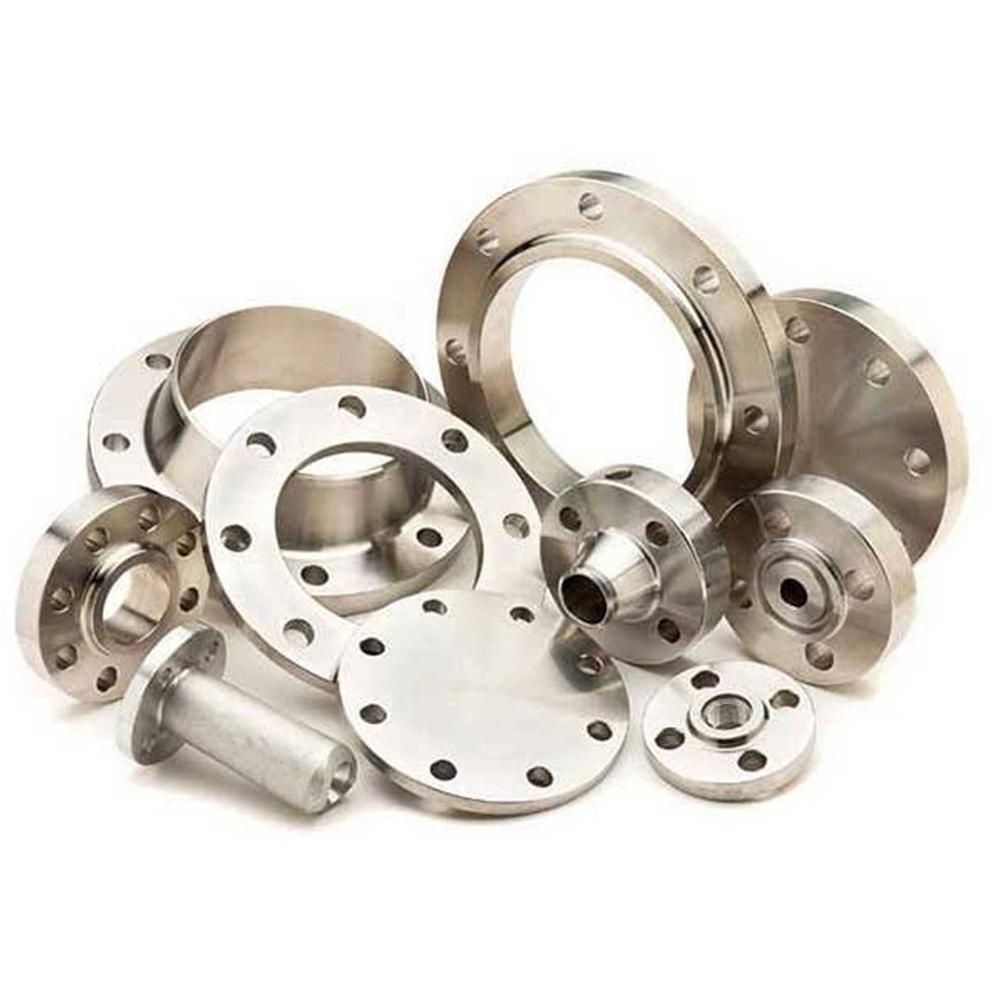
Versatility in Application and CustomizationSuper Duplex Steel 2507 Flanges are suited for a breadth of industries, from oil & gas to marine environments. Available in multiple sealing faces (RF, RTJ, FF), sizes (1/2" to 24" standard, with custom options), thicknesses, and surface finishes, they can be tailored to unique project specifications. Leakproof tested (hydrostatic/pneumatic) and packaged securely according to client needs, they offer dependable service across diverse operational settings.
FAQ's of Super Duplex Steel 2507 Flanges:
Q: How are Super Duplex Steel 2507 Flanges tested for leakproof integrity?
A: Super Duplex Steel 2507 Flanges undergo either hydrostatic or pneumatic testing upon request to ensure leakproof performance. These methods verify the flange's capacity to withstand operational pressures safely and effectively before deployment in critical piping systems.
Q: What are the primary benefits of using Super Duplex Steel 2507 Flanges in corrosive environments?
A: The flanges provide exceptional resistance to chloride-induced stress corrosion, pitting, and crevice corrosion, thanks to their high Chromium, Molybdenum, and Nitrogen content. This makes them highly reliable for chemical processing, desalination, and marine applications where aggressive corrosive agents are present.
Q: When should I choose a specific flange type like Weld Neck or Blind for my application?
A: Flange type selection depends on system requirements. Weld Neck flanges excel in high-pressure and high-temperature applications due to their welded attachment, while Blind flanges are ideal for sealing pipe ends or pressure vessel openings for maintenance or future expansions.
Q: Where are Super Duplex Steel 2507 Flanges most commonly utilized?
A: These flanges are primarily used in industries such as oil & gas, petrochemicals, power generation, desalination plants, and marine environments, where superior strength, corrosion resistance, and longevity are critical to system integrity and performance.
Q: How does the machinability of Super Duplex Steel 2507 affect the manufacturing process?
A: With fair to good machinability, Super Duplex Steel 2507 allows for precision machining, resulting in accurate dimensions and smooth finishes on flanges. It is best machined with tools specifically designed for stainless steel and matched filler metals for optimal weld quality.
Q: What compliance and quality standards do these flanges meet?
A: Super Duplex Steel 2507 Flanges are manufactured in accordance with PED/97/23/EC, NACE MR0103, and are NORSOK M-650 qualified. They also comply with ASTM A182 and ASME SA182 standards to assure high quality and consistent performance in demanding applications.





 Send Inquiry


 Send Inquiry
 Send Inquiry
 Send SMS


