Super Duplex Steel 2507 Instrumentation Fittings About
Super Duplex Steel 2507 Instrumentation Fittings exhibit a fascinating chemical composition that makes them uniquely suitable for high-performance applications. This marvel of metallurgical engineering comprises a microstructure of roughly 50% austenitic and 50% ferritic phases, resulting in a perfect blend of strength and corrosion resistance. The critical elements in its formation are chromium, molybdenum, and nitrogen, contributing to its exceptional resistance to stress corrosion, cracking, and pitting in demanding environments. Characterized by its high mechanical strength, this distinctive material is rapidly gaining recognition in critical industries such as oil and gas, marine, and chemical processing.
Outstanding Corrosion and Pressure ResistanceSuper Duplex Steel 2507 Instrumentation Fittings are distinguished by their remarkable resistance to pitting, crevice corrosion, and stress corrosion cracking, supported by a high PREN value exceeding 41. Rated for pressures up to 6000 psi, these fittings maintain durability and integrity even in aggressive environments, such as petrochemical plants and offshore platforms. Their superior chemical composition and process-controlled manufacturing ensure consistent quality and operational safety.
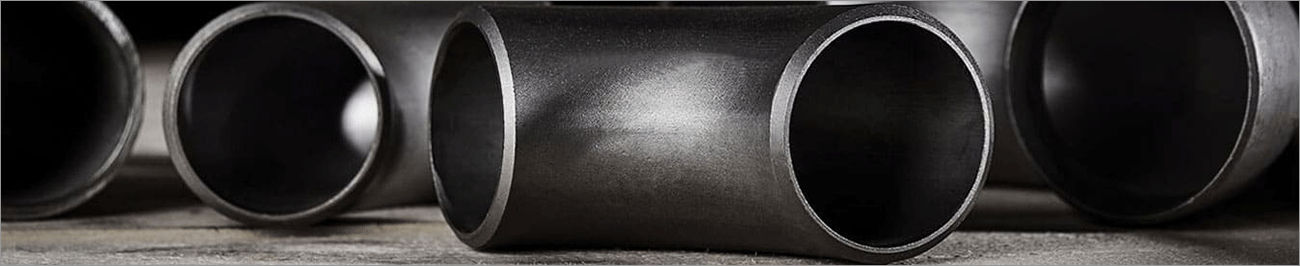
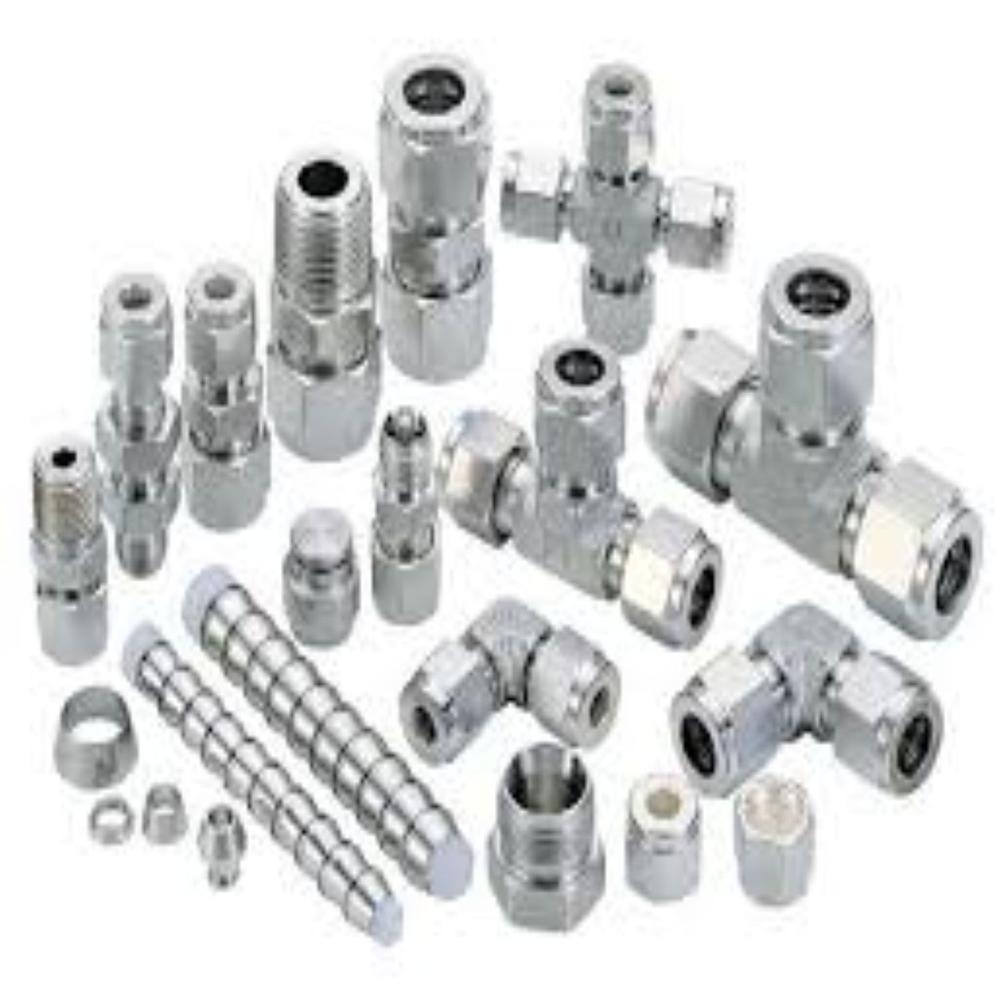
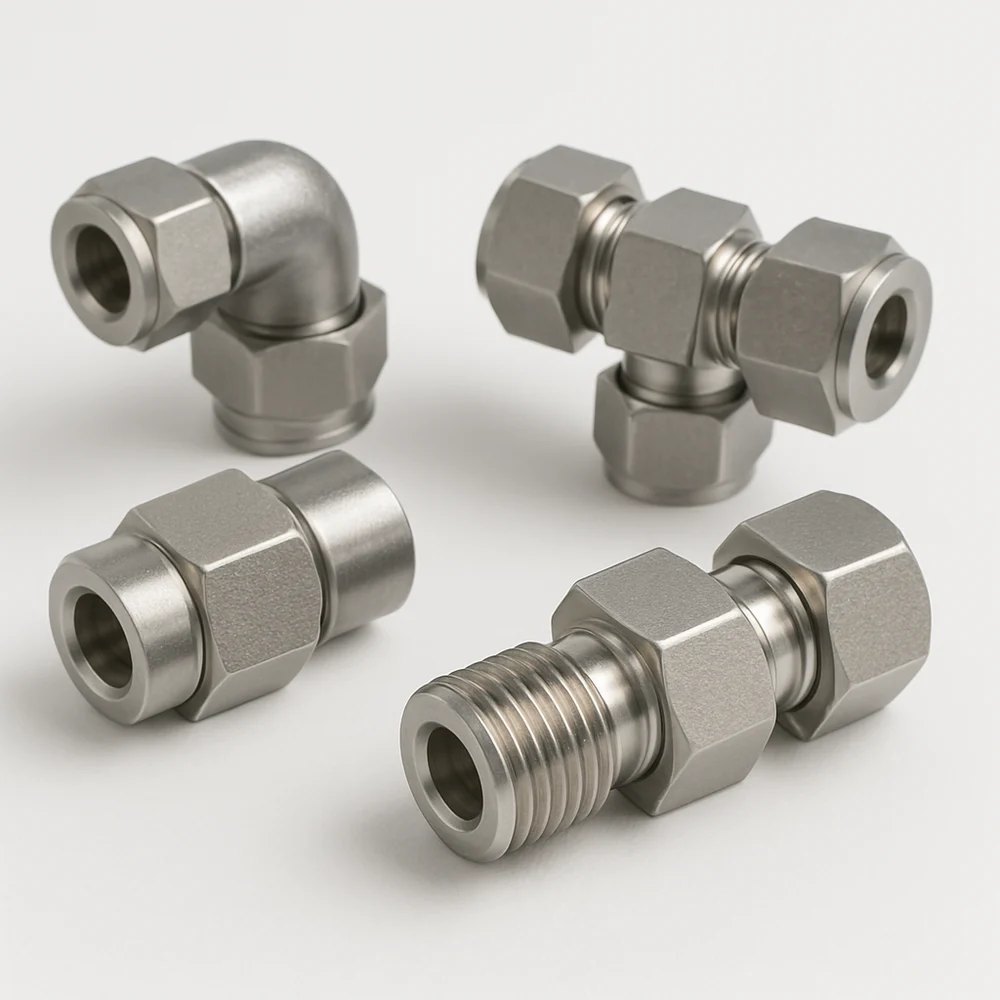
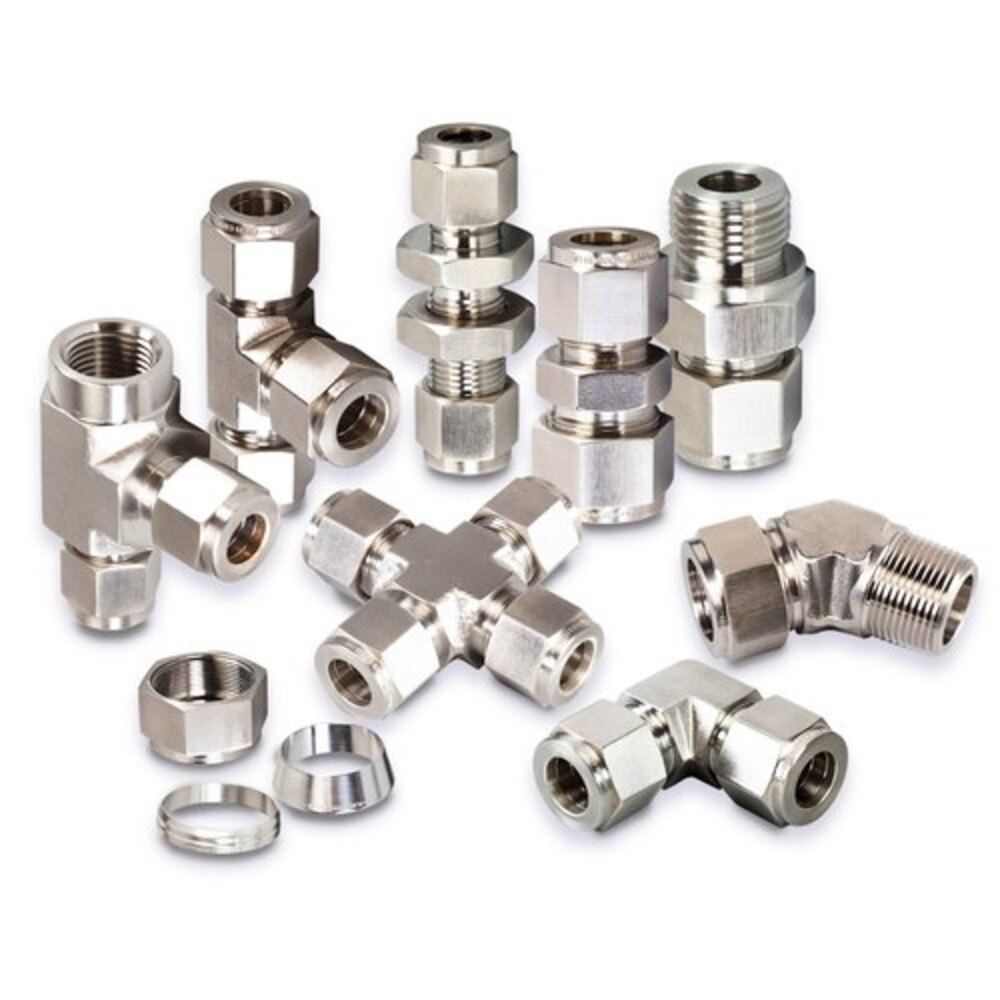
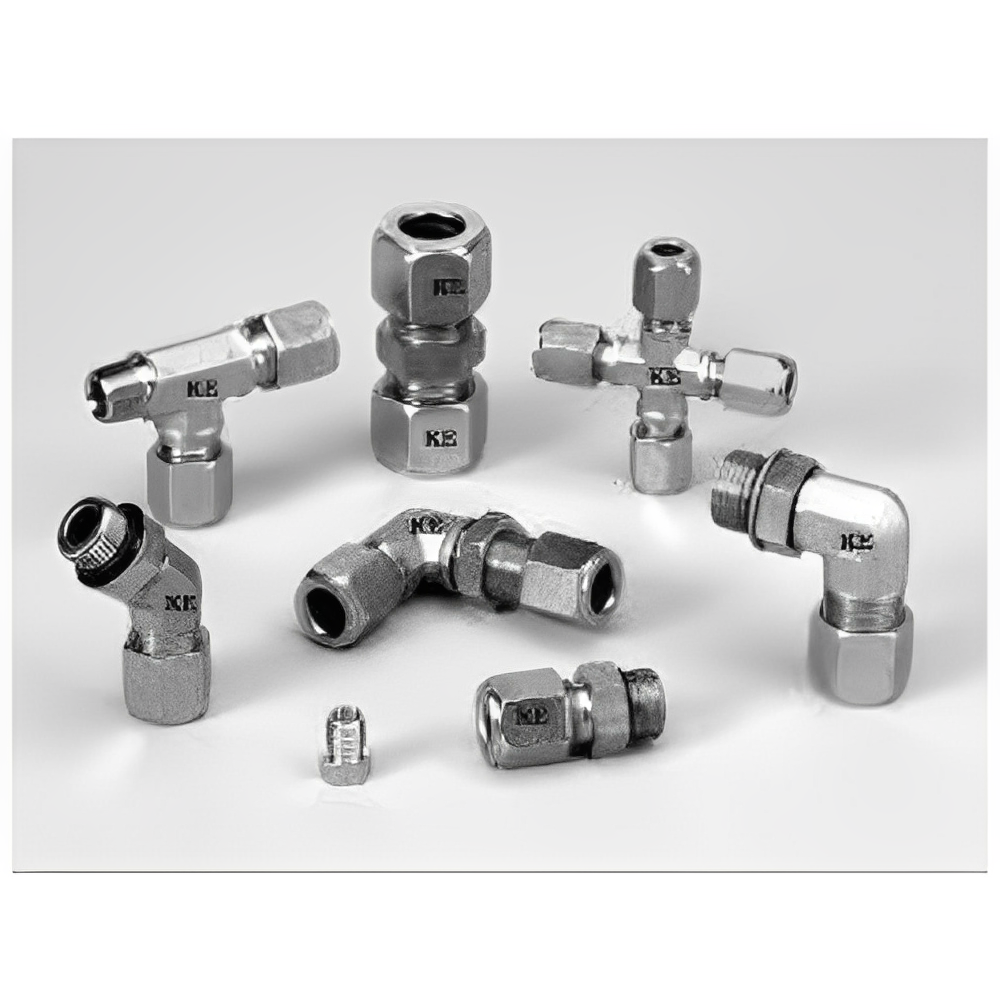
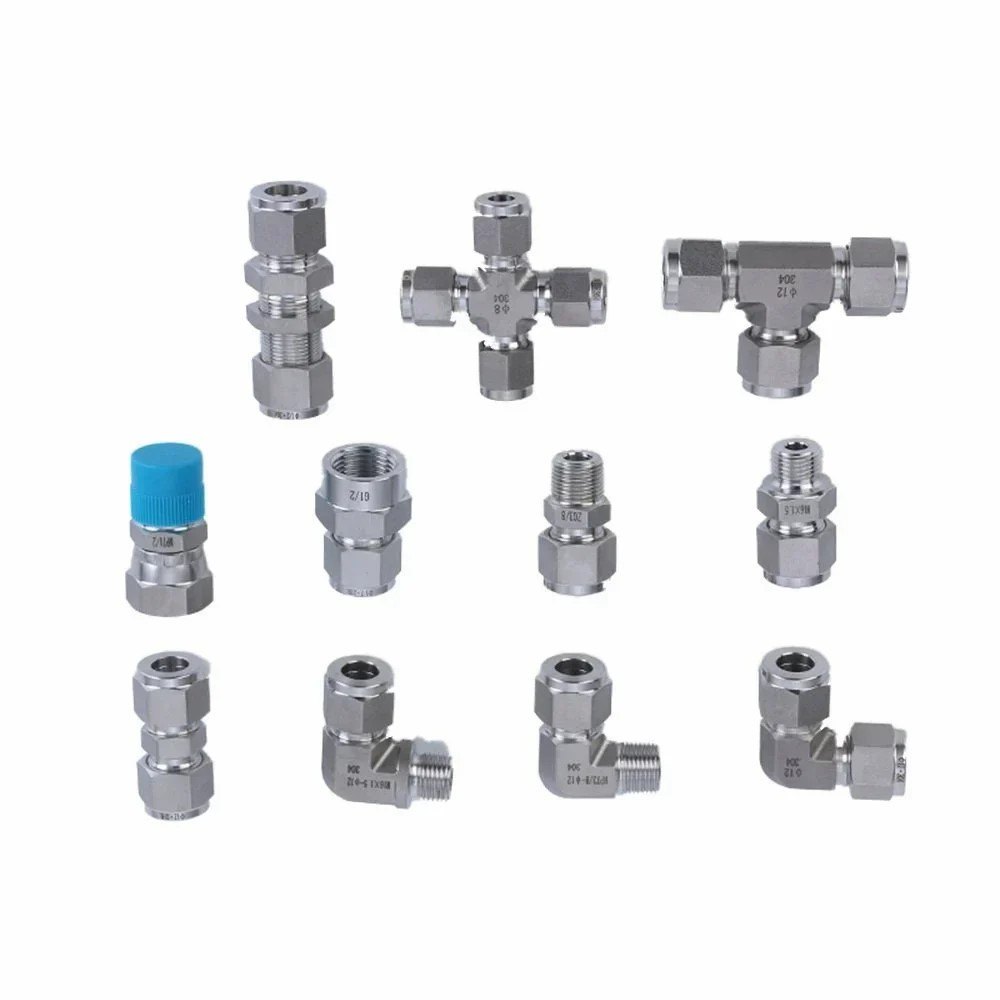
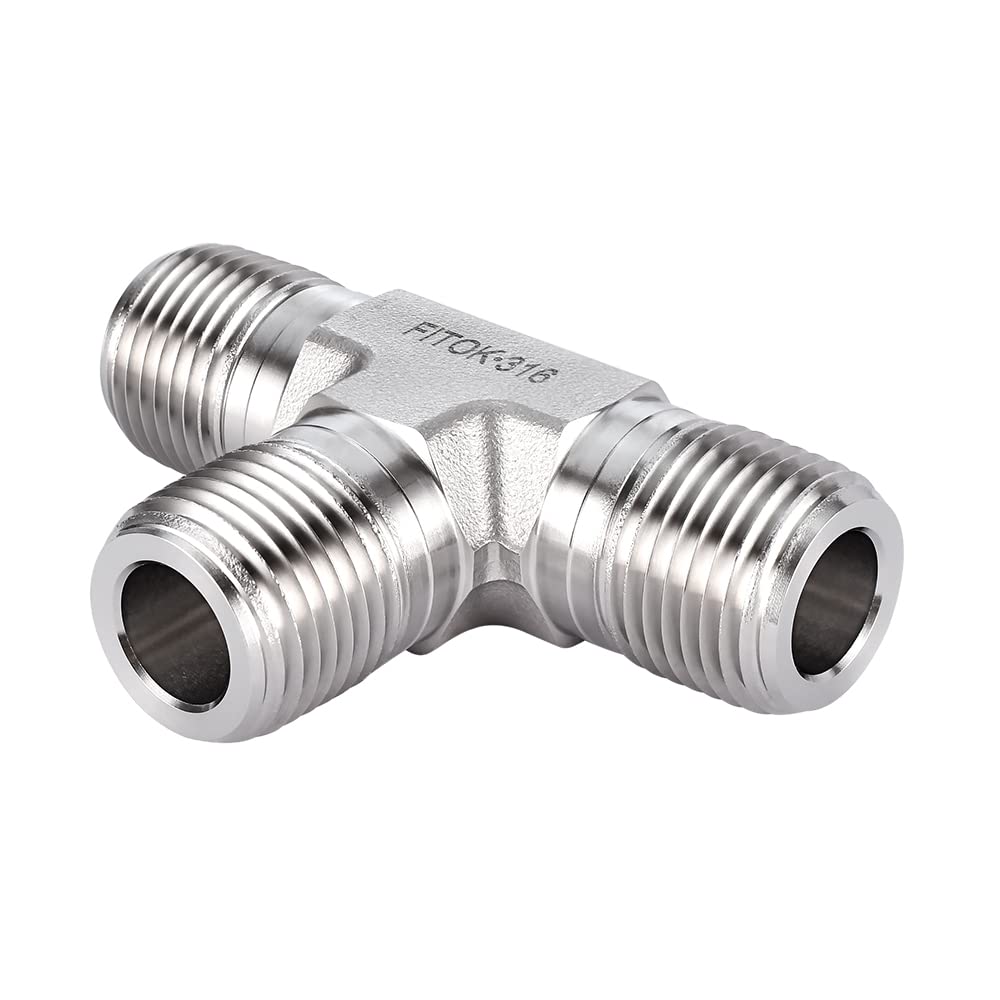
Versatile Applications and CustomizationAvailable in a variety of shapes and sizes, including elbows, tees, unions, reducers, and adapters, these fittings cater to diverse instrumentation requirements. Custom sizing, width, thickness, and dimensions are provided according to client specifications, ensuring compatibility with existing systems. Whether for new installations or system upgrades, their adaptability makes them suitable for critical applications in refineries, chemical plants, desalination units, and more.
Strict Quality Assurance and TestingEvery Super Duplex Steel 2507 fitting undergoes rigorous hydrostatic, pneumatic, and quality testing to ensure leak-proof performance and safety. Compliance with international standards such as ASME B16.11, ASTM A182, and MSS-SP-97, guarantees the highest levels of quality and reliability. Standard export-worthy packaging protects the fittings during transit, ensuring that they arrive intact and ready for installation.
FAQ's of Super Duplex Steel 2507 Instrumentation Fittings:
Q: How are Super Duplex Steel 2507 Instrumentation Fittings tested for reliability?
A: All fittings are subjected to 100% hydrostatic and pneumatic testing, as well as additional quality checks conforming to standards like ASME B16.11 and ASTM A182. These processes ensure leak-proof performance and structural integrity under maximum operating pressures.
Q: What connection types are available for these instrumentation fittings?
A: The fittings are offered in multiple connection formats, including threaded, compression, welded, flare, and tube-to-tube connections. This versatility allows integration with various piping and instrumentation systems, catering to diverse operational needs.
Q: When should Super Duplex Steel 2507 Instrumentation Fittings be used?
A: These fittings are ideal when high corrosion resistance and strength are required, such as in chemical processing, petrochemical plants, offshore platforms, and desalination facilities. Their robust design and metallurgy make them suitable for demanding and corrosive environments.
Q: Where can these fittings be installed?
A: They are intended for installation in critical control and instrumentation lines within sectors like oil and gas, marine, water treatment, and industrial processing, wherever leak-free and reliable connections are essential for operational safety.
Q: What benefits does the double ferrule mechanism provide?
A: The double ferrule mechanism ensures a secure, leak-proof seal, even at high pressures up to 6000 psi. This reduces the risk of leakage in critical service applications, enhancing overall safety and operational dependability.
Q: How does the material composition contribute to performance?
A: A blend of 24-26% Chromium, 6-8% Nickel, 3-5% Molybdenum, and nitrogen gives the fittings superior resistance to various forms of corrosion and high tensile strength (minimum 800 MPa), supporting a long service life under harsh conditions.





 Send Inquiry


 Send Inquiry
 Send Inquiry
 Send SMS


