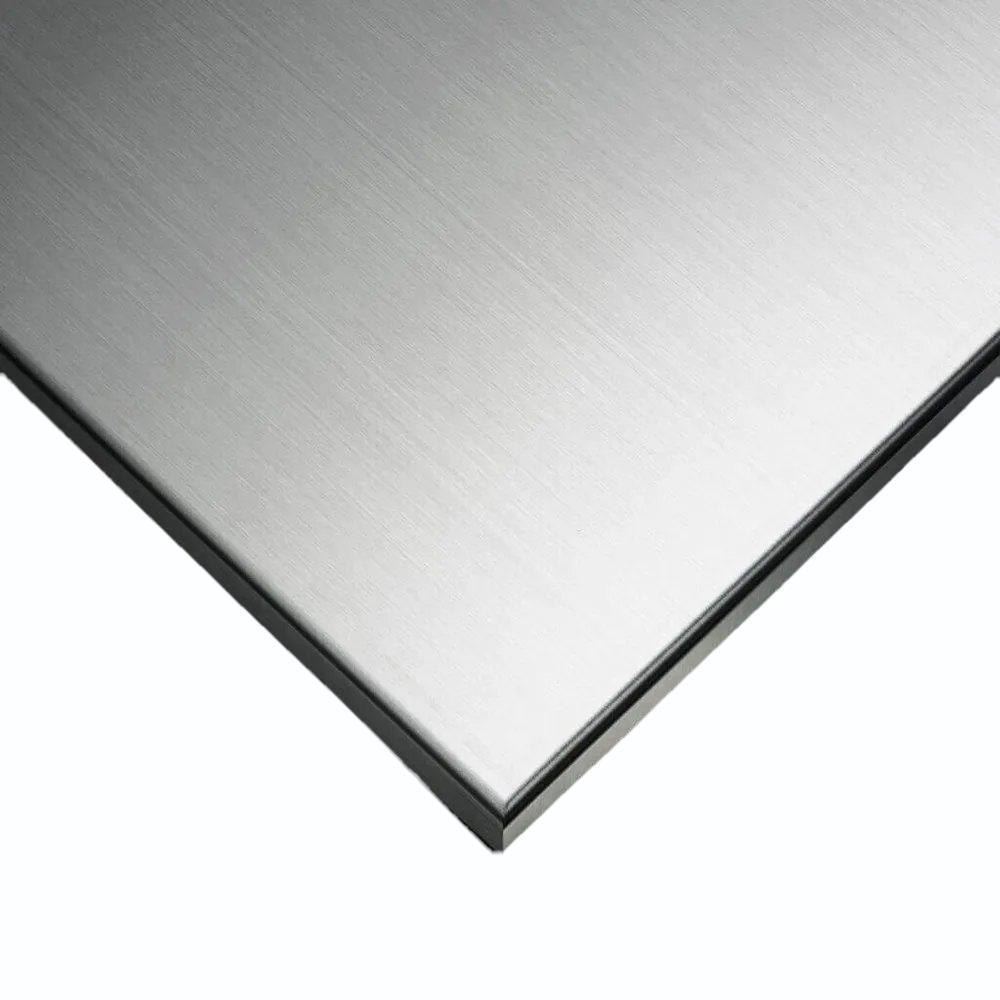
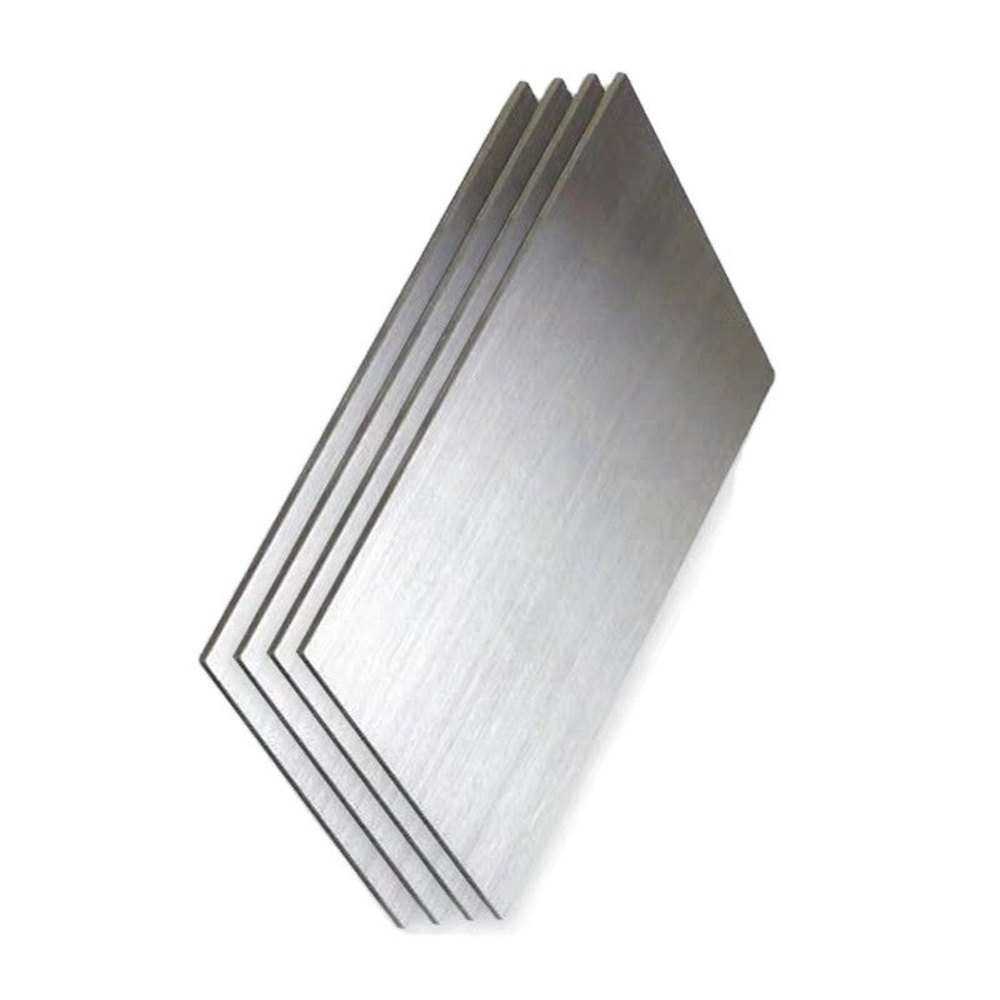
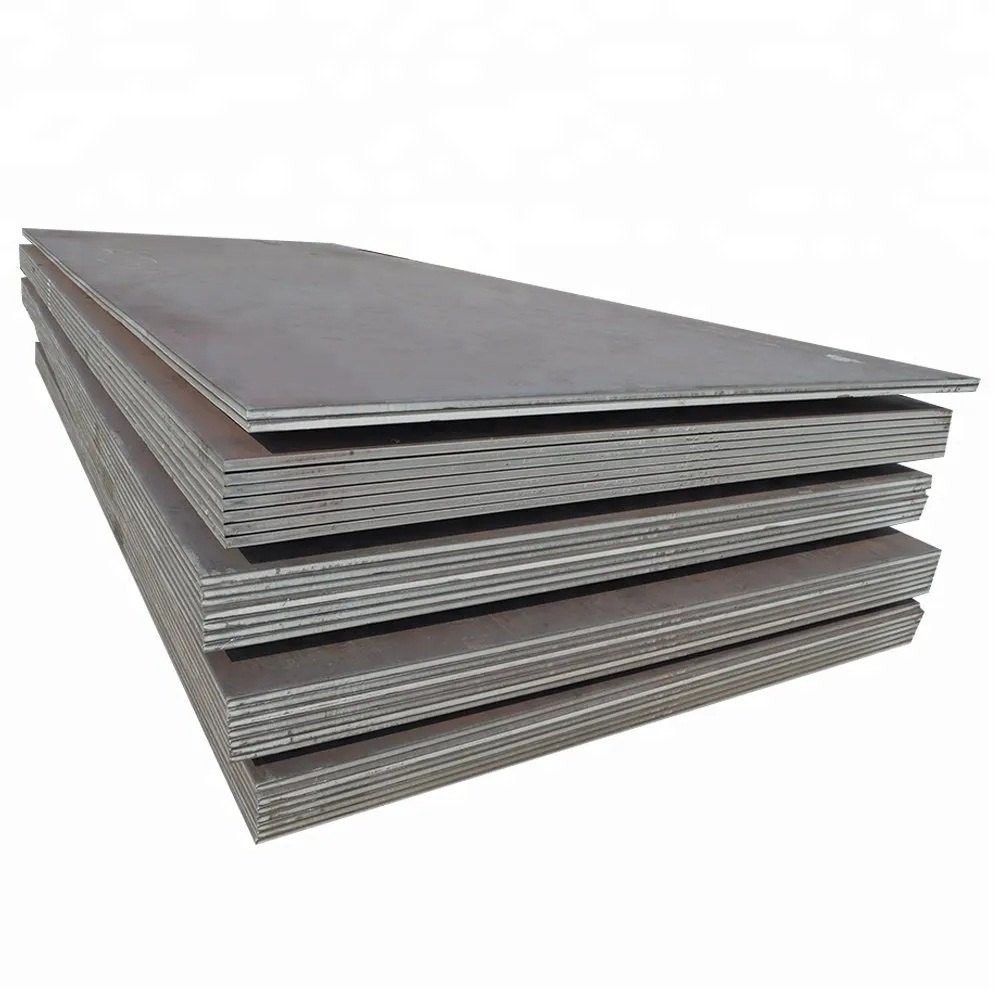
Super Duplex Steel 2507 Plates About
2507 Super Duplex Plate is a stainless steel alloy with high chromium, molybdenum, and nitrogen content. It has an advantage over other alloys due to its combination of strength and corrosion resistance that make it suitable for many applications. The chemical composition features 25 -28% chromium, 6 8% nickel, 3 5 % molybdenum, 0.2 0.8% nitrogen, 1-2% manganese, and trace amounts of other elements such as sulfur,
titanium, and niobium. This alloy is ideal for a variety of applications, including pressure vessels, petrochemical plant equipment, storage tanks, and any other application where resistance to a strong environment is necessary. Its unique composition helps to make it super strong while still offering impressive levels of corrosion resistance.
Exceptional Corrosion ResistanceSuper Duplex Steel 2507 Plates exhibit impressive resistance to pitting and crevice corrosion, owing to their high chromium, molybdenum, and nitrogen content. Their PREN (Pitting Resistance Equivalent Number) exceeding 41 makes them particularly suited for aggressive environments, notably in marine, chemical, and offshore industries.
Versatile Mechanical PropertiesWith a minimum yield strength of 550 MPa and minimum tensile strength of 795 MPa, these plates provide exceptional mechanical stability. Their 15% minimum elongation and reliable impact value at -46C ensure excellent performance under both high-stress and low-temperature conditions.
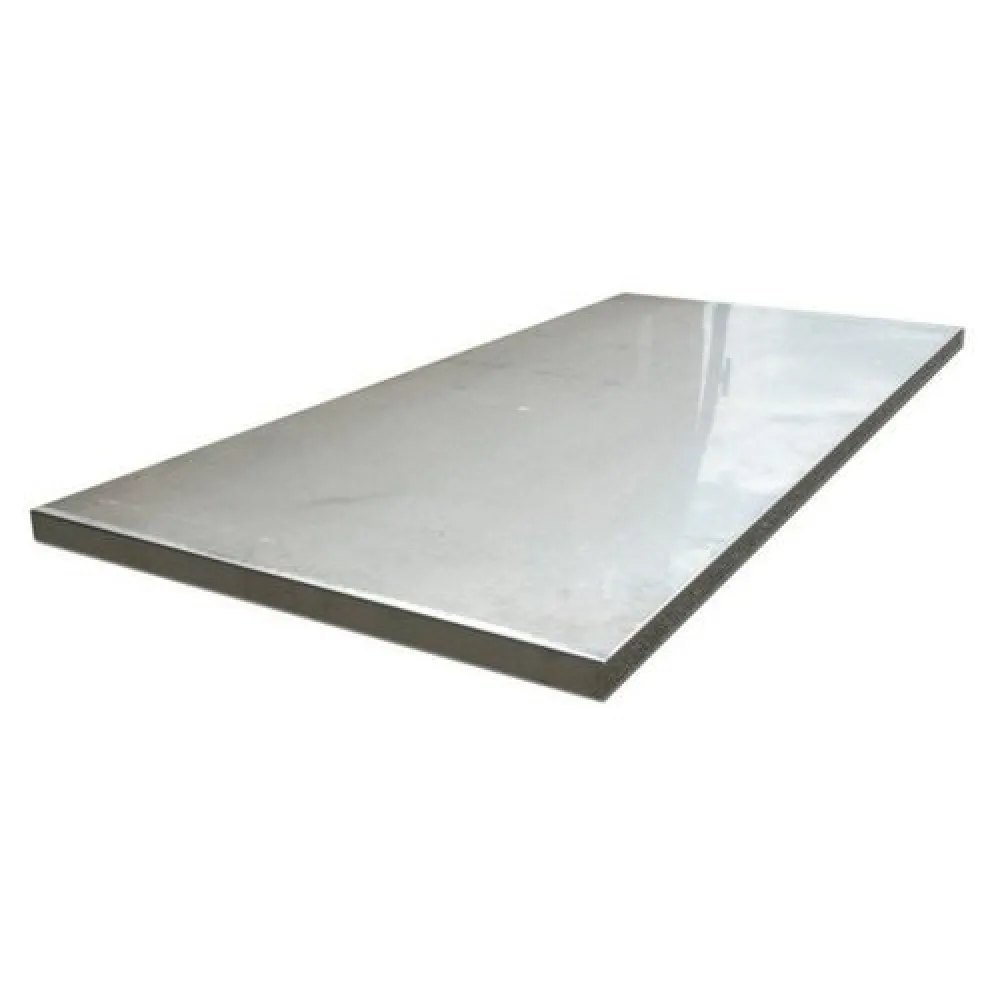
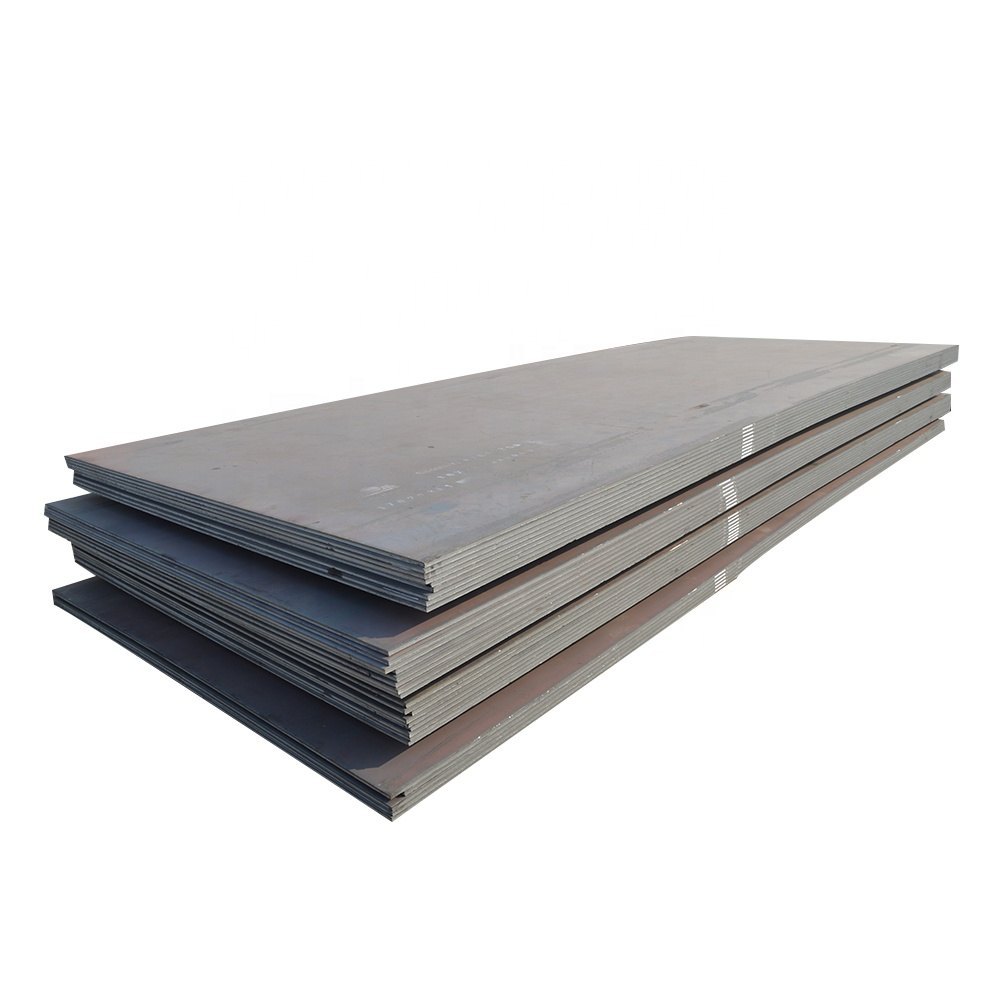
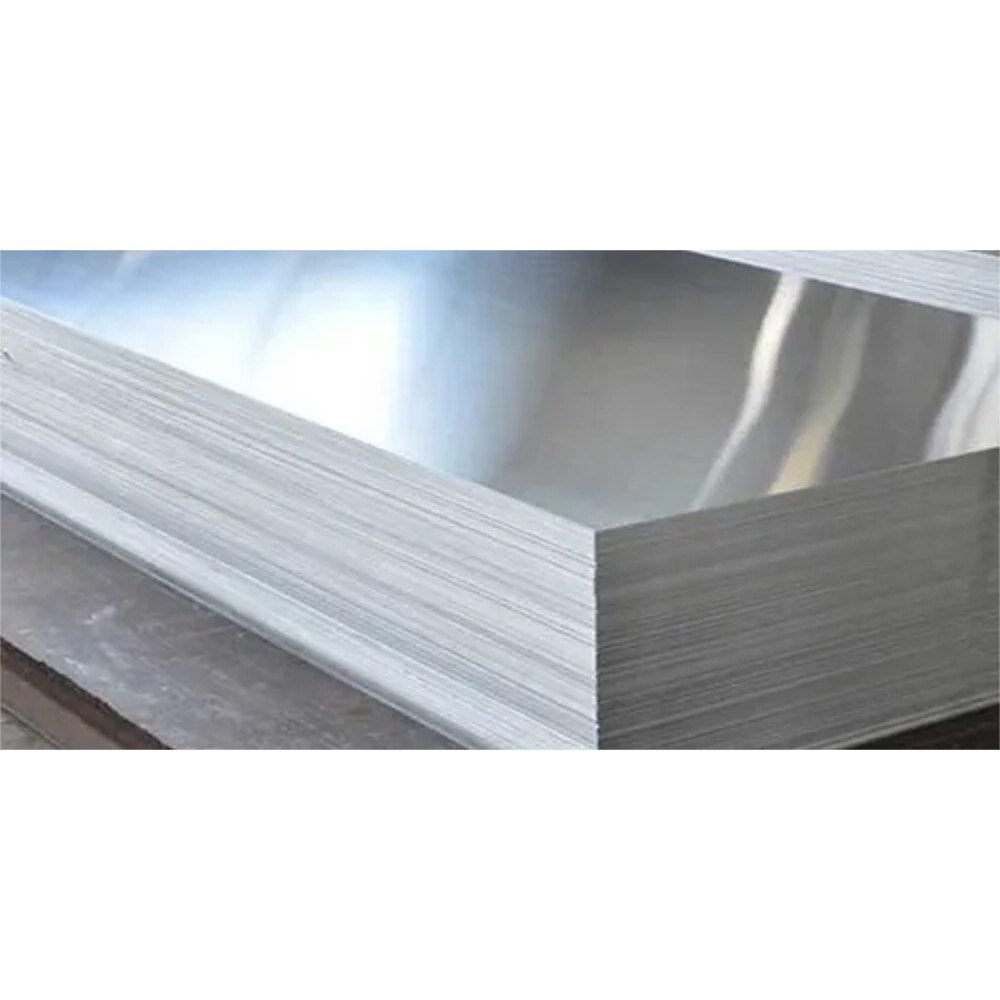
Customization and AvailabilitySuper Duplex Steel 2507 Plates are available in standard widths and custom sizes, with thicknesses ranging from 6mm to 100mm. Ready stock or made-to-order options allow tailored solutions for specific requirements, ensuring timely delivery for diverse engineering projects.
FAQ's of Super Duplex Steel 2507 Plates:
Q: How can Super Duplex Steel 2507 Plates be customized to fit specific project dimensions?
A: Super Duplex Steel 2507 Plates can be manufactured in a variety of sizes, with standard widths of 1000mm, 1250mm, 1500mm, and 2000mm, and lengths such as 2000mm x 4000mm. Custom dimensions are available on request to match project requirements, with thicknesses from 6mm up to 100mm or as specified.
Q: What are the recommended processes for welding Super Duplex 2507 Plates?
A: Welding Super Duplex 2507 Plates is straightforward when proper filler materials matching the plate's chemical composition are used. The alloy offers excellent weldability, but it is important to employ controlled procedures to prevent heat-affected zone degradation and to maintain corrosion resistance.
Q: Where are Super Duplex Steel 2507 Plates typically used?
A: These plates are utilized across industries where high strength and superior corrosion resistance are critical, including marine environments, chemical processing plants, oil & gas facilities, desalination projects, pressure vessels, and the pulp & paper industry.
Q: What benefits does the duplex microstructure provide to these plates?
A: The duplex structure of Super Duplex 2507 Plates offers a unique combination of high mechanical strength and excellent corrosion resistance while remaining magnetic. This dual-phase quality results in prolonged service life and enhanced reliability in demanding environments.
Q: How should Super Duplex Steel 2507 Plates be machined for best results?
A: While these plates exhibit good machinability, they work harden rapidly. Using special cutting tools and techniques-such as lower speeds, higher feeds, and sharp carbide or ceramic tooling-is recommended to achieve precise fabrication without excessive tool wear.
Q: What kind of packing is used to protect these plates during export?
A: Super Duplex Steel 2507 Plates are packed using standard seaworthy export packing to ensure they remain free from damage, corrosion, and contamination during transit and storage.
Q: When should Super Duplex 2507 Plates be selected over conventional stainless steels?
A: Select Super Duplex 2507 Plates when your applications demand high mechanical strength, superior local corrosion resistance, and excellent performance at elevated temperatures (up to 300C). They are favored where standard stainless steels cannot offer the required durability or resistance to aggressive media.





 Send Inquiry


 Send Inquiry
 Send Inquiry
 Send SMS


