Super Duplex Steel S32750 Valves About
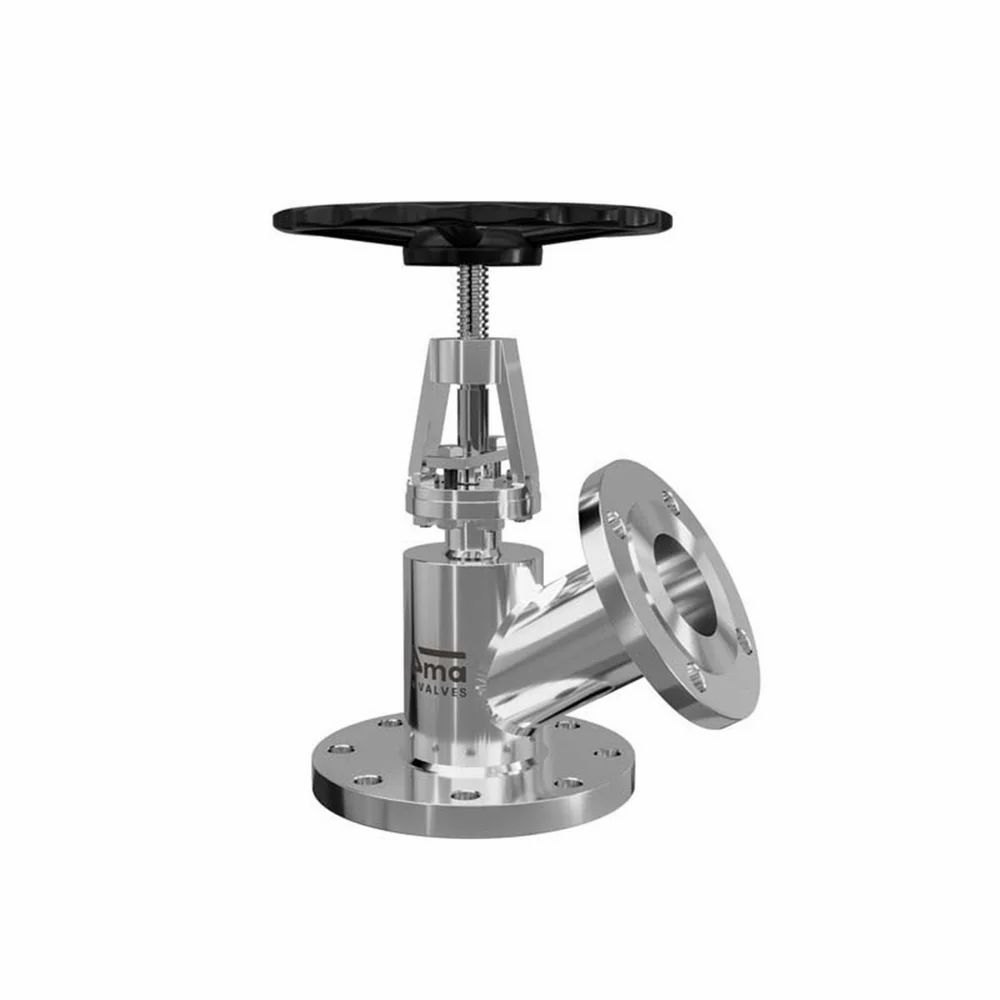
Super duplex steel s32750 valves are made from a unique blend of chromium, molybdenum, nickel and other trace elements. These components give the valves excellent corrosion resistance and abrasion resistance as well. The chemical composition also provides superior immunity from pitting and crack propagation, making it ideal for applications involving extreme water and chemical environments. In addition to its mechanical properties, super duplex steel s32750 valves can be produced in large quantities with consistent quality and performance. All this makes them desirable for many customers looking for durable valve solutions for their project needs.
Premium Corrosion and Pressure ResistanceCrafted from Super Duplex Steel S32750, these valves exhibit exceptional resistance against pitting, crevice, and stress corrosion. Their duplex microstructure-comprising balanced austenite and ferrite phases-enables superb mechanical strength (up to 800 MPa UTS), allowing for safe operation under high pressures up to 420 bar and temperatures up to 300C (572F). This makes them ideal for harsh, corrosive, and highly loaded environments.
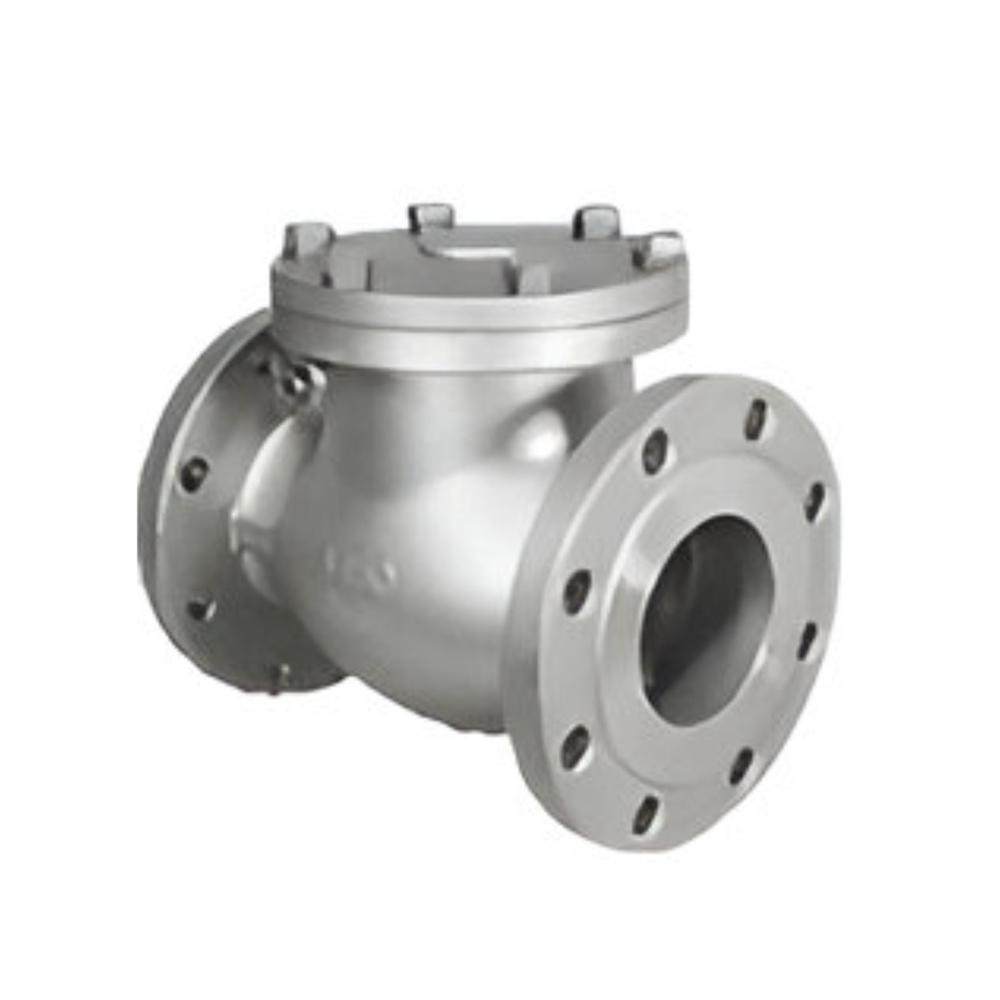
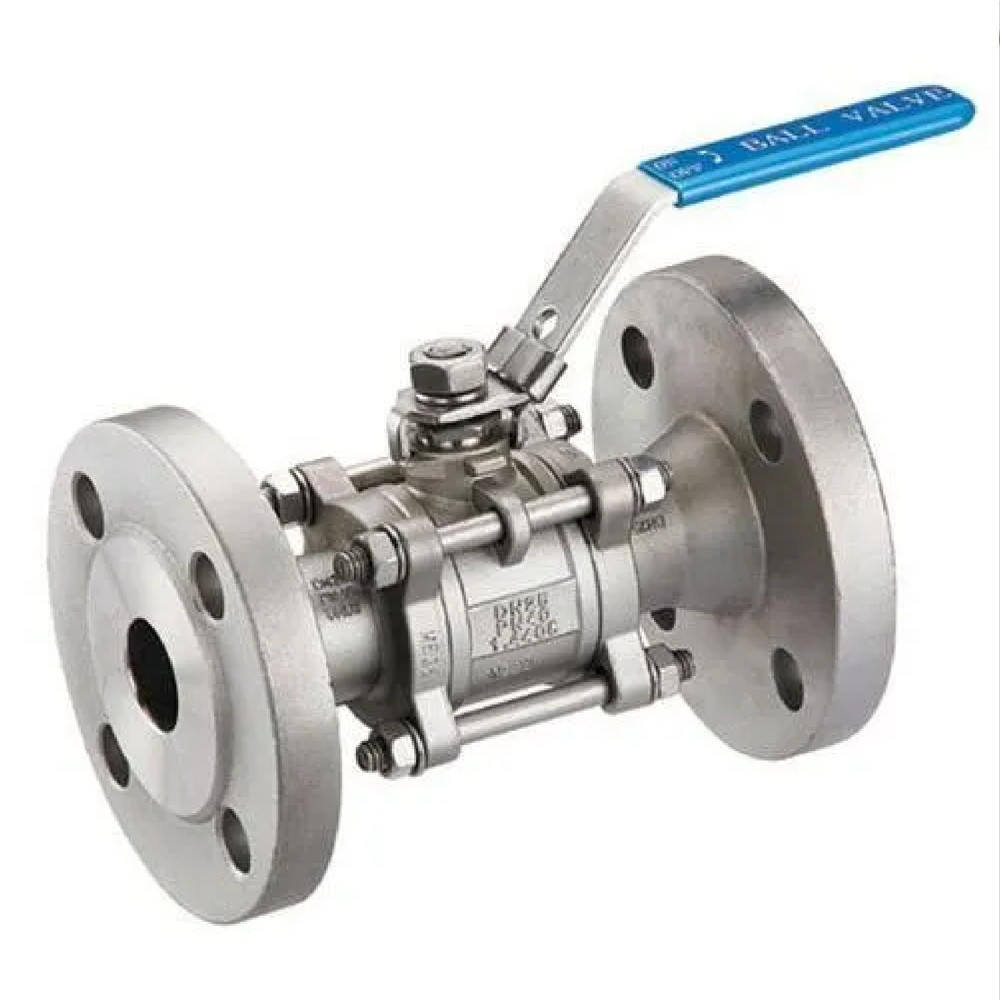
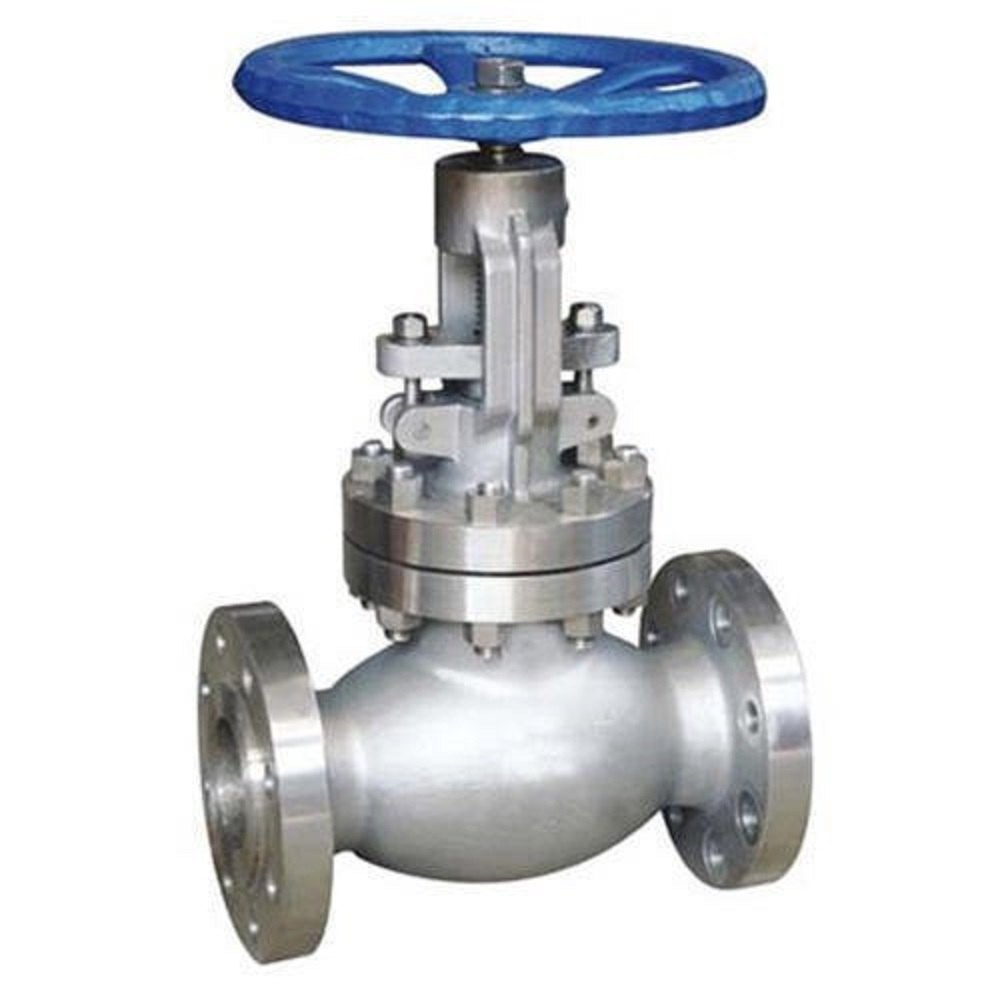
Versatile Design and End ConnectionsAvailable in various designs such as check, globe, ball, and gate valves, Super Duplex Steel S32750 Valves can be customized by size, dimension, and end connection (flanged, welded, threaded) to meet specific application requirements. Their flexibility ensures seamless integration in piping systems while accommodating different fluid control needs.
Wide Application Range and CertificationsMeeting global standards like API 598, API 6D, ASTM A182/A351, and EN 10204, these valves assure quality, reliability, and industry compliance. They are widely applied in oil & gas, chemical, marine, and offshore environments where secure flow isolation and control are paramount. Comprehensive testing-including hydrostatic and pneumatic methods-guarantees operational safety and longevity.
FAQ's of Super Duplex Steel S32750 Valves:
Q: How are Super Duplex Steel S32750 Valves tested before shipment?
A: Each valve undergoes rigorous hydrostatic, pneumatic, and fugitive emission testing to meet international standards like API 598 and API 6D. These tests verify pressure tightness, material integrity, and leak prevention, ensuring safe operation in critical environments.
Q: What are the main benefits of using Super Duplex S32750 valves over regular stainless steel valves?
A: Super Duplex S32750 offers significantly enhanced resistance to localized corrosion (pitting, crevice) and stress corrosion cracking. Its higher mechanical strength allows handling of greater pressures and higher temperatures, extending valve service in demanding applications while reducing replacement frequency.
Q: In which industries are these valves most commonly used?
A: Super Duplex S32750 valves are extensively used in industries such as oil & gas, marine, chemical processing, offshore drilling, and petrochemical plants, all of which demand reliable performance in corrosive, high-pressure, and high-temperature environments.
Q: What types of end connections are offered for these valves?
A: These valves can be supplied with flanged, butt weld, socket weld, or threaded ends. The end connection type is selected based on installation requirements and service conditions, ensuring compatibility with various piping systems.
Q: Are automated operation options available for these valves?
A: Yes, Super Duplex S32750 valves are compatible with electric or pneumatic actuators for automated flow control, providing flexibility in remote or complex process environments in addition to manual operation options.
Q: What is the typical working temperature and pressure range for these valves?
A: Depending on design, these valves can handle working pressures up to 420 bar (6091 psi) and temperatures up to 300C (572F), making them suitable for both moderate and extreme service conditions.
Q: How is valve size and dimension determined for specific applications?
A: Valve dimensions, including length, width, and height, are customizable based on project specifications and international standards. Size selection is guided by flow requirements, system design, and pressure rating to ensure optimal performance.





 Send Inquiry


 Send Inquiry
 Send Inquiry
 Send SMS
 Call Me Free


