Super Duplex Steel UNS S32750 Electrodes About
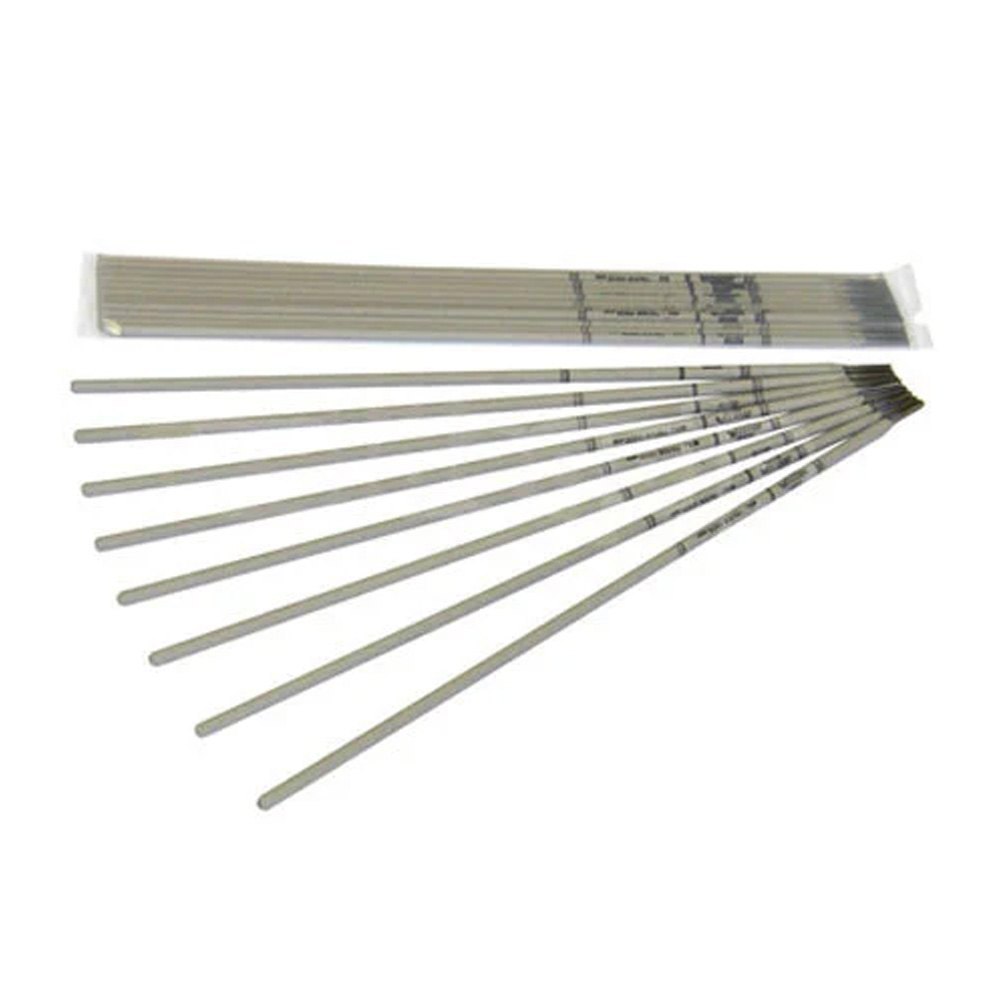
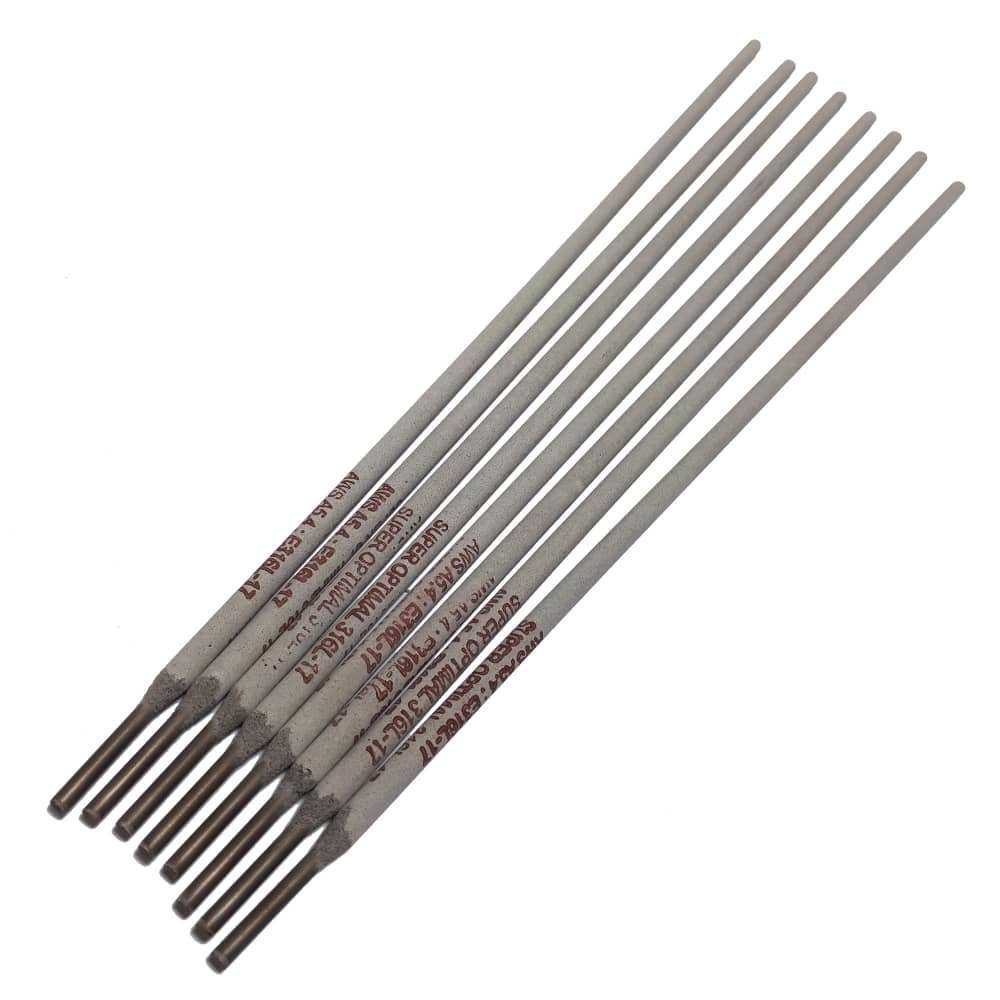
Super Duplex Steel UNS S32750 electrodes are known for their exceptional corrosion resistance and high strength. The chemical composition of these electrodes is crucial to their functionality and durability. These electrodes are typically made of iron, chromium, molybdenum, and nickel, with small amounts of other elements like nitrogen and tungsten. This chemical composition gives the electrodes impressive resistance to pitting, crevice corrosion, and stress corrosion cracking. The high nickel and molybdenum content also enhances their resistance to reducing agents, making them ideal for use in harsh environments. Overall, the chemical composition of Super Duplex Steel UNS S32750 electrodes makes them a reliable and essential component in a variety of industrial applications.
Superior Performance in Extreme ConditionsSuper Duplex Steel UNS S32750 Electrodes deliver exceptional mechanical properties, including high yield and tensile strength, superior ductility, and remarkable impact resistance even at sub-zero temperatures. These qualities make them well-suited for welding structures exposed to harsh environments, such as offshore platforms and chemical plants.
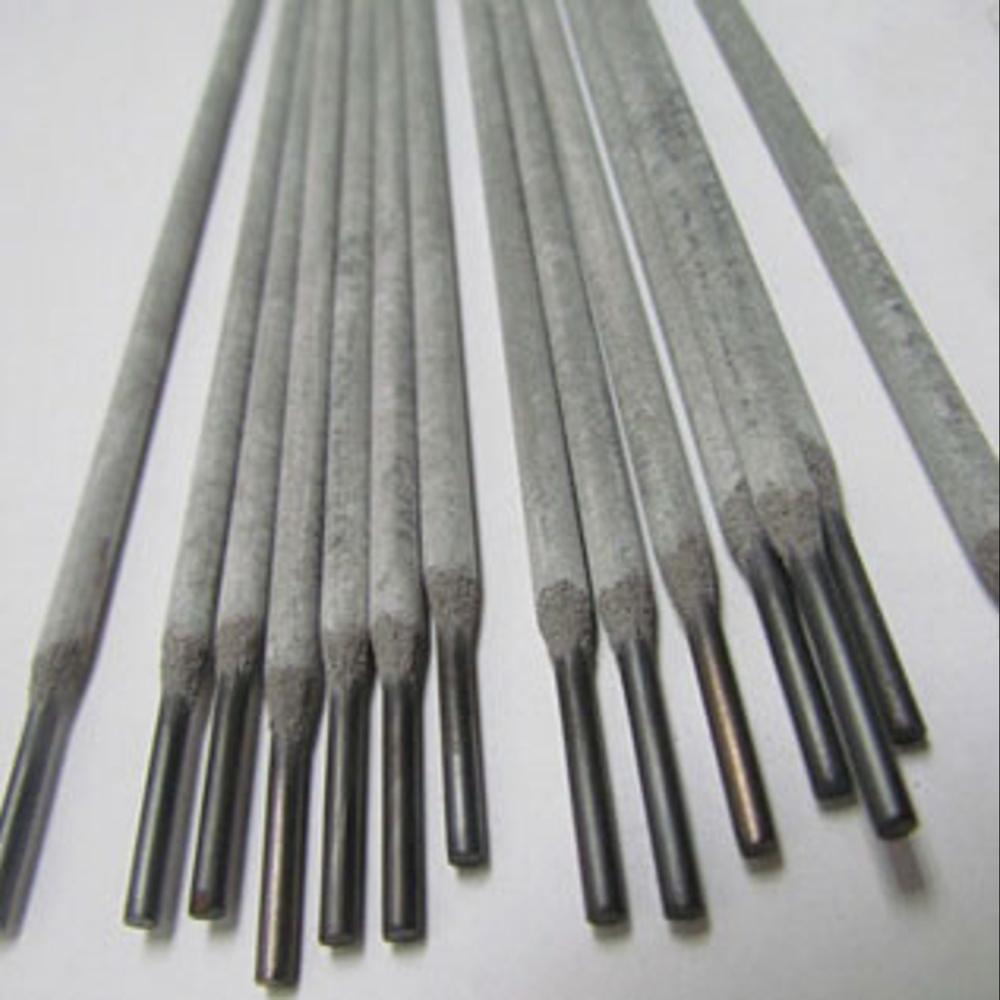
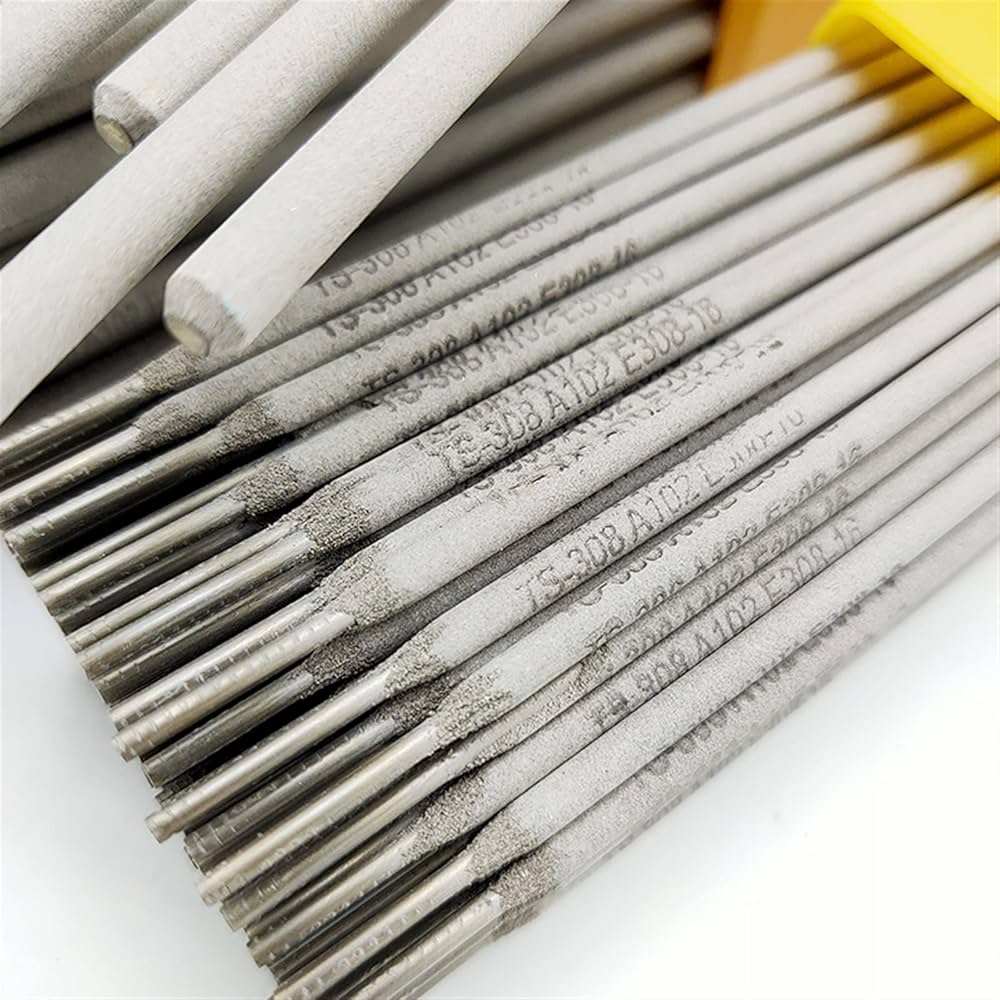
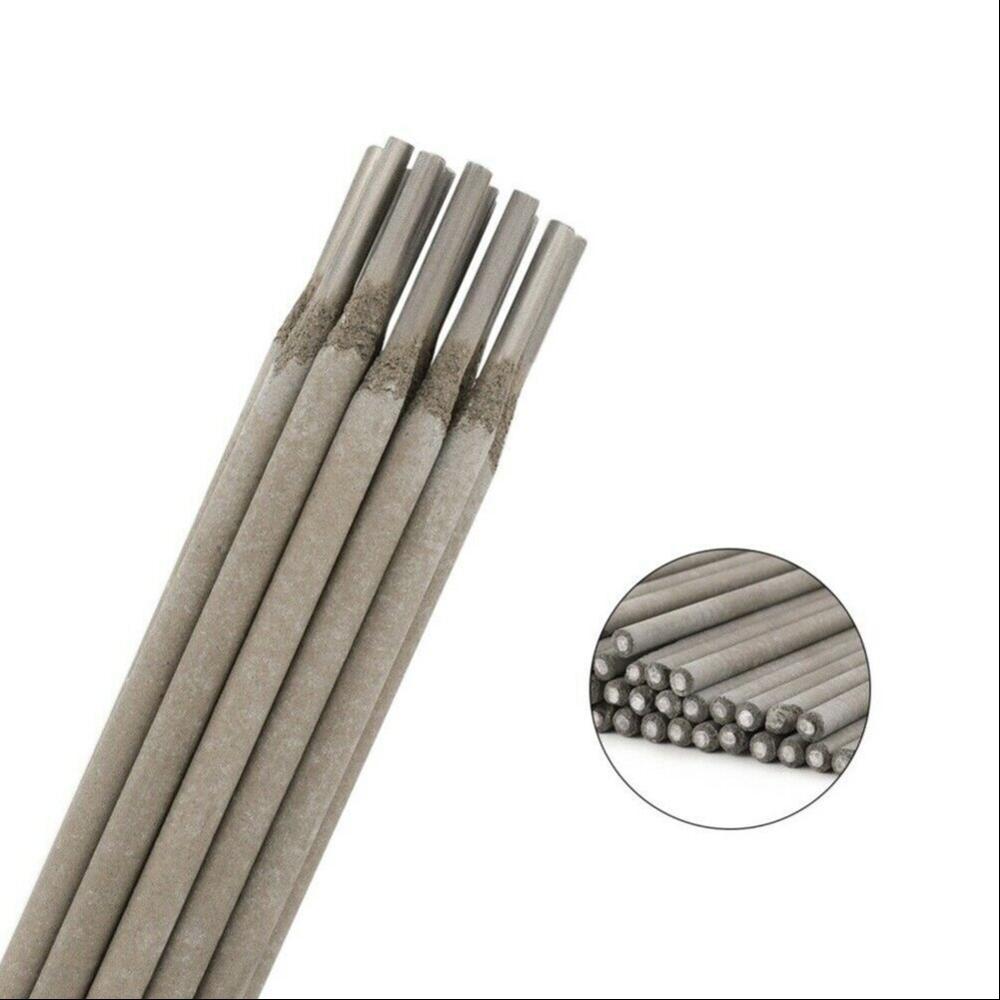
Versatile Welding ApplicationsOptimized for manual metal arc welding (MMA), these electrodes can be used in all positions-flat, horizontal, vertical, and overhead-providing flexibility in diverse fabrication and repair tasks. Their carefully balanced chemical composition ensures strong, corrosion-resistant welds for pipes, pressure vessels, marine structures, and heat exchangers.
Storage and Handling for LongevityDelivered in sealed vacuum packs or moisture-resistant boxes, Super Duplex Steel UNS S32750 Electrodes are protected from humidity. For maximum shelf life of up to 24 months, store them below 20C in a dry environment. Proper storage preserves their low hydrogen content, optimizing weld quality and minimizing defects.
FAQ's of Super Duplex Steel UNS S32750 Electrodes:
Q: How should Super Duplex Steel UNS S32750 Electrodes be stored to prevent moisture absorption?
A: It is recommended to store these electrodes in a dry location below 20C and use sealed vacuum packs or moisture-resistant boxes. Proper storage is crucial to maintaining low hydrogen levels and preventing moisture pickup, which ensures consistent weld quality.
Q: What types of welding applications are best suited for these electrodes?
A: Super Duplex Steel UNS S32750 Electrodes are specifically designed for welding super duplex stainless steel in critical structures like pipes, pressure vessels, marine and offshore equipment, and in chemical and petrochemical plants where high strength and corrosion resistance are essential.
Q: When is it appropriate to use these electrodes for welding?
A: These electrodes should be used when high mechanical strength, impact toughness at low temperatures, and excellent corrosion resistance are required, particularly in environments with exposure to aggressive media, seawater, or hazardous chemicals.
Q: Where can these electrodes be used in terms of welding positions?
A: They are suitable for use in all standard welding positions, such as flat, horizontal, vertical, and overhead, facilitating flexibility in both fabrication and repair operations across diverse industrial settings.
Q: What is the process for using Super Duplex Steel UNS S32750 Electrodes in manual metal arc welding?
A: During MMA (manual metal arc) welding, select an appropriately sized electrode (2.5, 3.2, or 4.0 mm diameter) and ensure base materials are clean. Use recommended current settings for rutile/basic coated electrodes, and follow all safety protocols and manufacturer guidelines for best results.
Q: What are the key benefits of these super duplex electrodes over standard stainless steel electrodes?
A: These electrodes provide greater strength, higher toughness at low temperatures, and superior resistance to chlorides and stress corrosion cracking. They are also designed for low hydrogen content, which reduces the risk of weld-related defects.





 Send Inquiry


 Send Inquiry
 Send Inquiry
 Send SMS
 Call Me Free


