Super Duplex Steel UNS S32760 Instrumentation Fittings About
Super Duplex Steel UNS S32760 Instrumentation Fittings are known for their exceptional strength and durability in corrosive and harsh environments. The chemical composition of this type of steel is what makes it stand out from its counterparts. It consists of a combination of chromium, molybdenum, and nitrogen, which gives it superior resistance to pitting, crevice corrosion, and stress corrosion cracking. Additionally, it contains traces of tungsten and copper, which enhance its overall strength and ability to withstand high pressures. These fittings are widely used in the oil and gas industry, as well as in chemical processing plants, due to their ability to maintain their integrity even in demanding conditions.
High Strength for Critical ApplicationsUNS S32760 fittings deliver superior mechanical strength with a minimum tensile strength of 750 MPa, making them ideal for high-stress and cyclic loading scenarios. The duplex microstructure offers a balance of toughness and flexibility, ensuring reliability in instrumentation systems exposed to severe service conditions.
Unmatched Corrosion & Heat ResistanceDesigned to withstand aggressive environments, these super duplex fittings resist pitting and crevice corrosion while maintaining integrity at temperatures up to 300C. Their robust composition allows long service life in corrosive media frequently encountered in chemical, offshore, and marine applications.
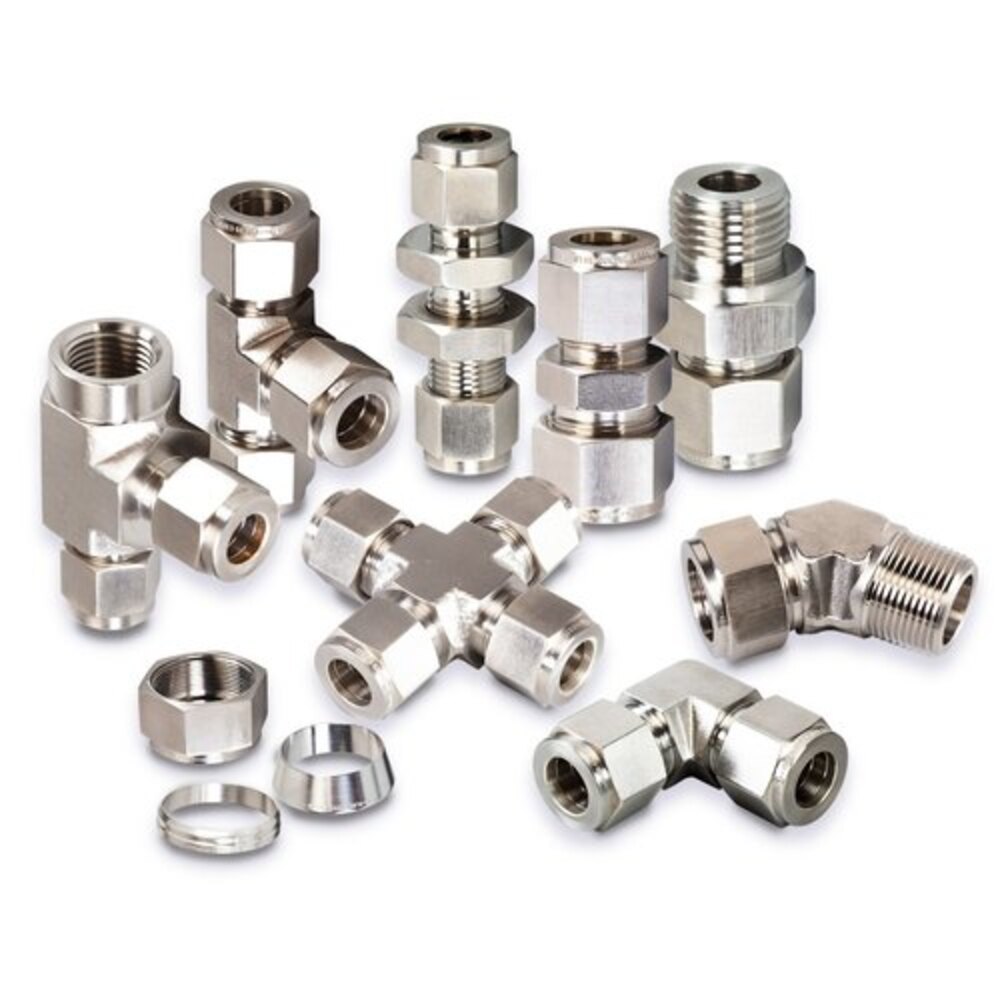
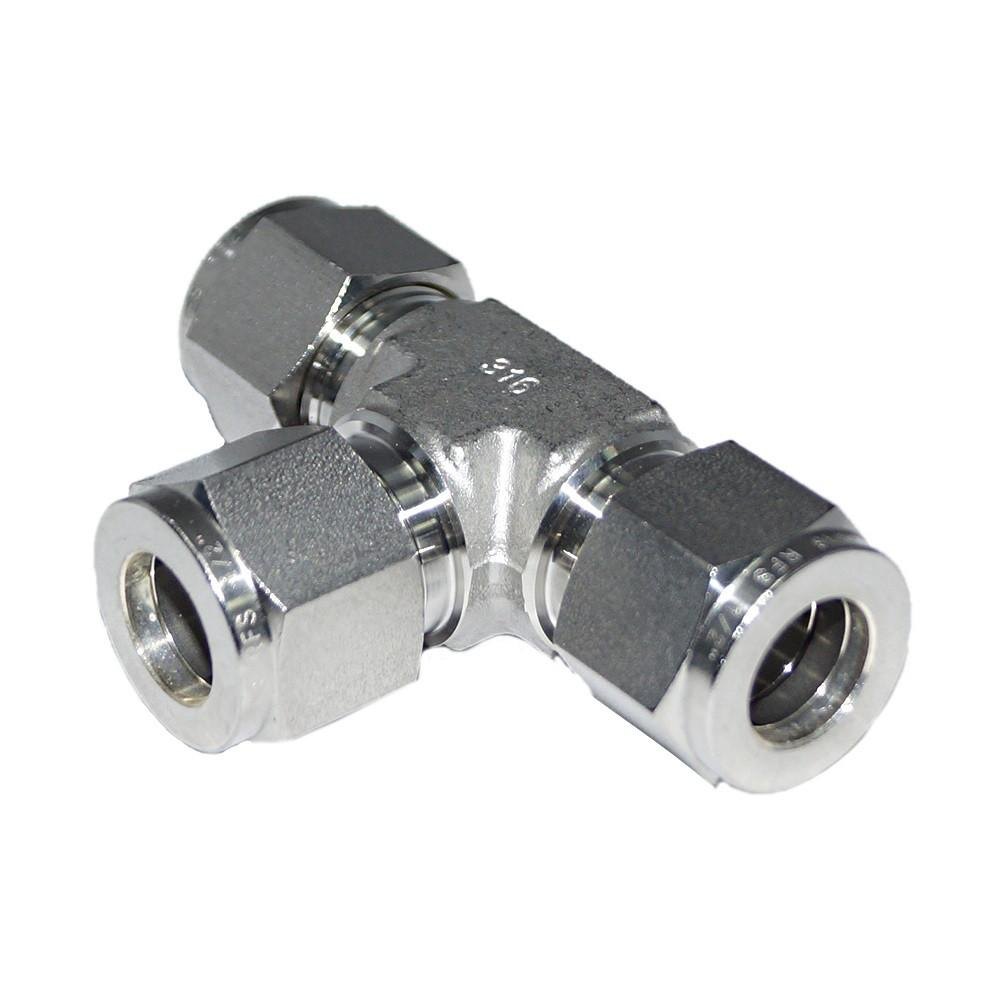
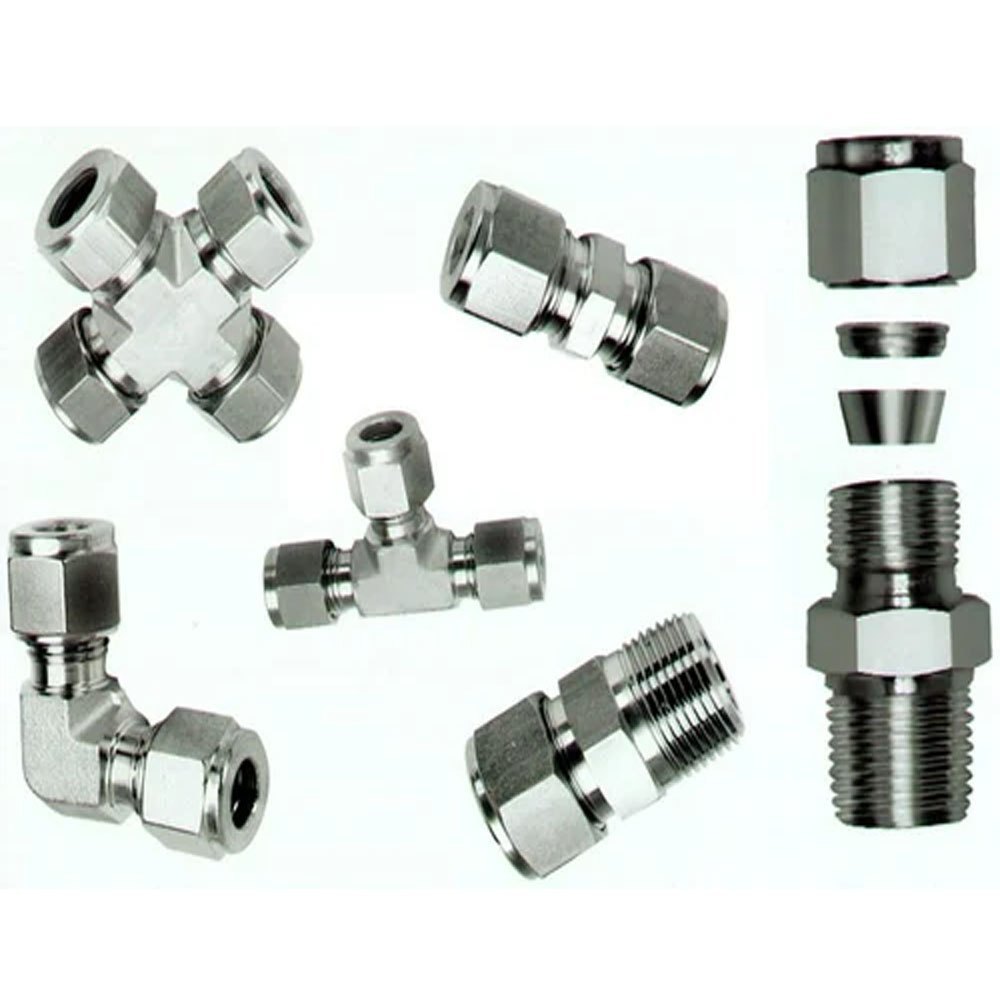
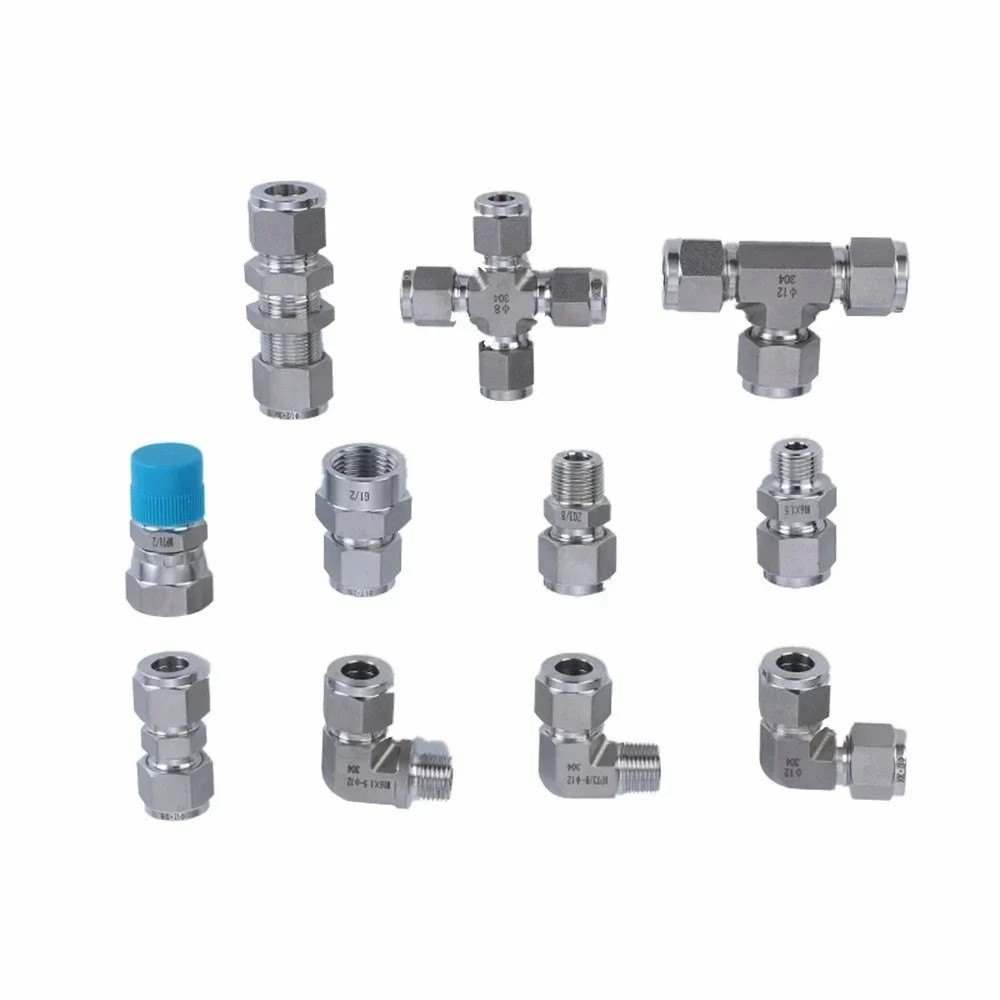
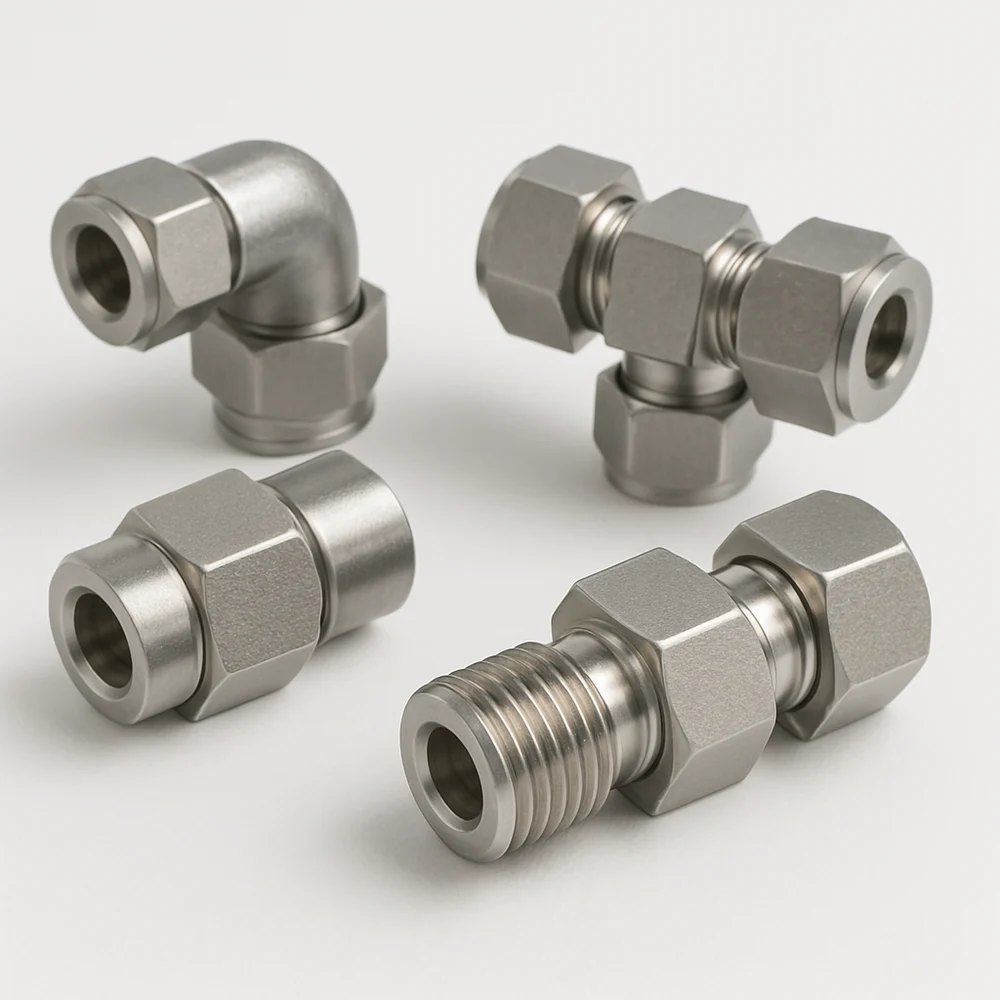
Customizable End Connections & ShapesAvailable in a wide array of shapes-including straight, elbow, tee, cross, and reducer-these fittings support various end connections such as male/female NPT, BSPT, BSPP, and compression types. Custom sizes and dimensions ensure seamless integration with new or existing instrumentation and piping systems.
FAQ's of Super Duplex Steel UNS S32760 Instrumentation Fittings:
Q: How are Super Duplex Steel UNS S32760 Instrumentation Fittings manufactured?
A: These fittings are produced using either forging or precision machining methods, ensuring high mechanical strength, dimensional accuracy, and a smooth, polished finish that meets industry standards like ASTM A276/A182 and ASME SA182.
Q: What makes UNS S32760 fittings particularly suitable for high-pressure and corrosive environments?
A: UNS S32760 fittings exhibit excellent resistance to pitting and crevice corrosion due to their balanced duplex microstructure and optimized chemical composition. Their high tensile strength and fatigue resistance enable reliable use at pressures up to 6000 psi and temperatures from -50C to 300C.
Q: When should these instrumentation fittings be used in industrial settings?
A: They are best employed in harsh and critical service conditions such as instrumentation and process piping in chemical plants, offshore oil and gas platforms, power generation facilities, and desalination units where corrosion, temperature, and pressure challenges are prevalent.
Q: Where can custom sizes or shapes of UNS S32760 fittings be sourced?
A: Custom dimensions and designs, including elbows, tees, reducers, and other shapes, can be specified and sourced directly from manufacturers, suppliers, exporters, or importers specializing in super duplex stainless steel products. These fittings can be tailored to meet project-specific requirements.
Q: What end connections and thread types are available for these fittings?
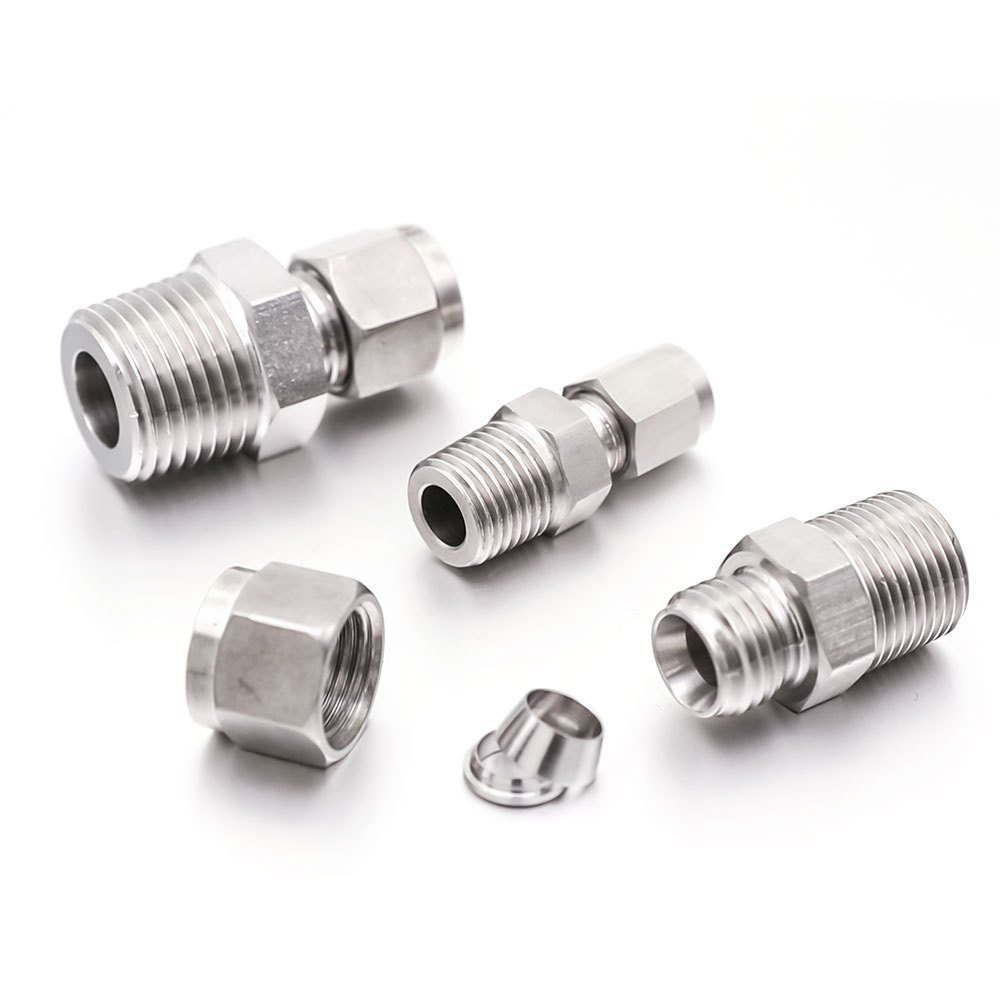
A: Options include male and female NPT, BSPT, BSPP, compression, socket weld, and metric threads, allowing compatibility with a wide array of installation standards in instrumentation and piping systems.
Q: How are these fittings tested and certified for safety and performance?
A: Each fitting undergoes hydrostatic testing at 1.5 times the working pressure to ensure integrity and safety. Certification such as NACE MR0175/ISO 15156, PED 2014/68/EU, and EN 10204 3.1/3.2 can be provided for traceability and compliance.
Q: What are the practical benefits of choosing S32760 instrumentation fittings?
A: They offer longevity, low maintenance, and robust performance in aggressive environments, with excellent corrosion resistance, superior mechanical properties, and adaptability in various industrial systems. Their recyclable nature and natural polished finish make them a sustainable and reliable choice.





 Send Inquiry


 Send Inquiry
 Send Inquiry
 Send SMS


