Titanium Gr 1 Flanges About
In the realm of metallurgy, Titanium GR1 Flanges hold a prestigious position due to their exceptional properties and versatile applications. A deeper understanding of their chemical composition reveals the secrets behind the remarkable performance of these components. At the forefront is titanium, a transition metal with a low density, robust strength-to-weight ratio, and outstanding corrosion resistance. GR1, specifically, boasts a composition of approximately 99.5% pure titanium, while the remaining 0.5% comprises trace elements such as iron, oxygen, carbon, nitrogen, and hydrogen. This combination of ingredients imparts Titanium GR1 Flanges with a unique blend of strength, ductility, and resilience, allowing them to excel in demanding operational environments across numerous industries. As experts in the field, we can appreciate how the meticulous balance of elements in Titanium GR1 makes it one of the most sought-after materials for
flanges and other high-performance applications.
High Corrosion Resistance for Demanding EnvironmentsTitanium Gr 1 Flanges offer unparalleled resistance against oxidizing and reducing agents, making them a preferred choice for chemical, marine, and petrochemical sectors. Their low to moderate tensile strength paired with a superior corrosion profile ensures longevity even in harsh, aggressive atmospheres where other materials may degrade or fail.
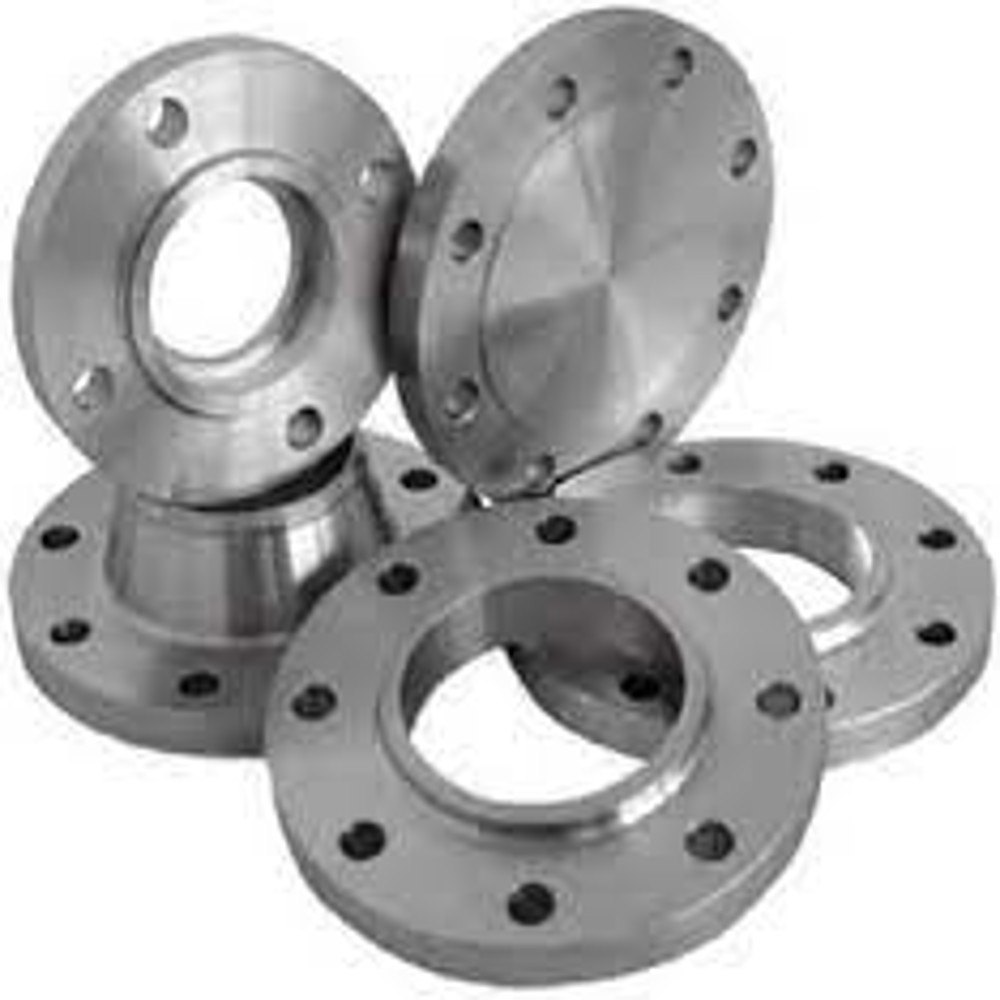
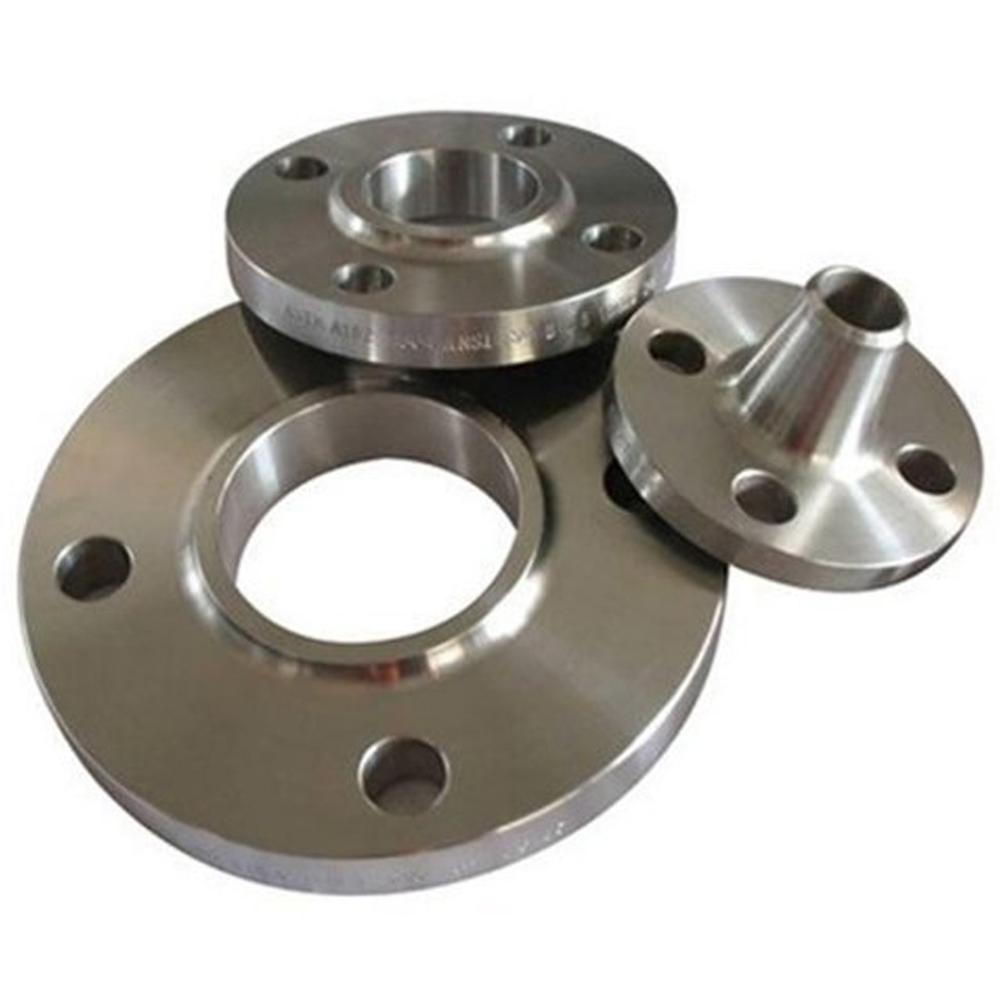
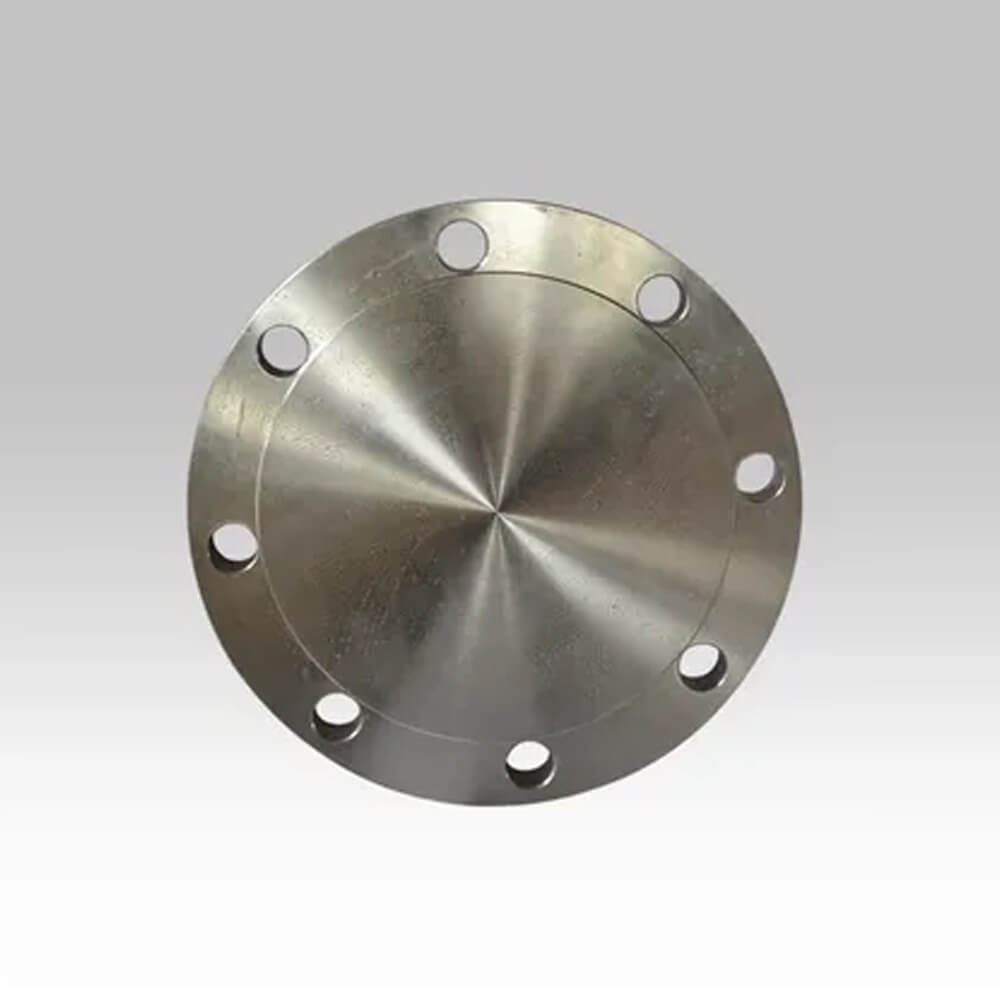
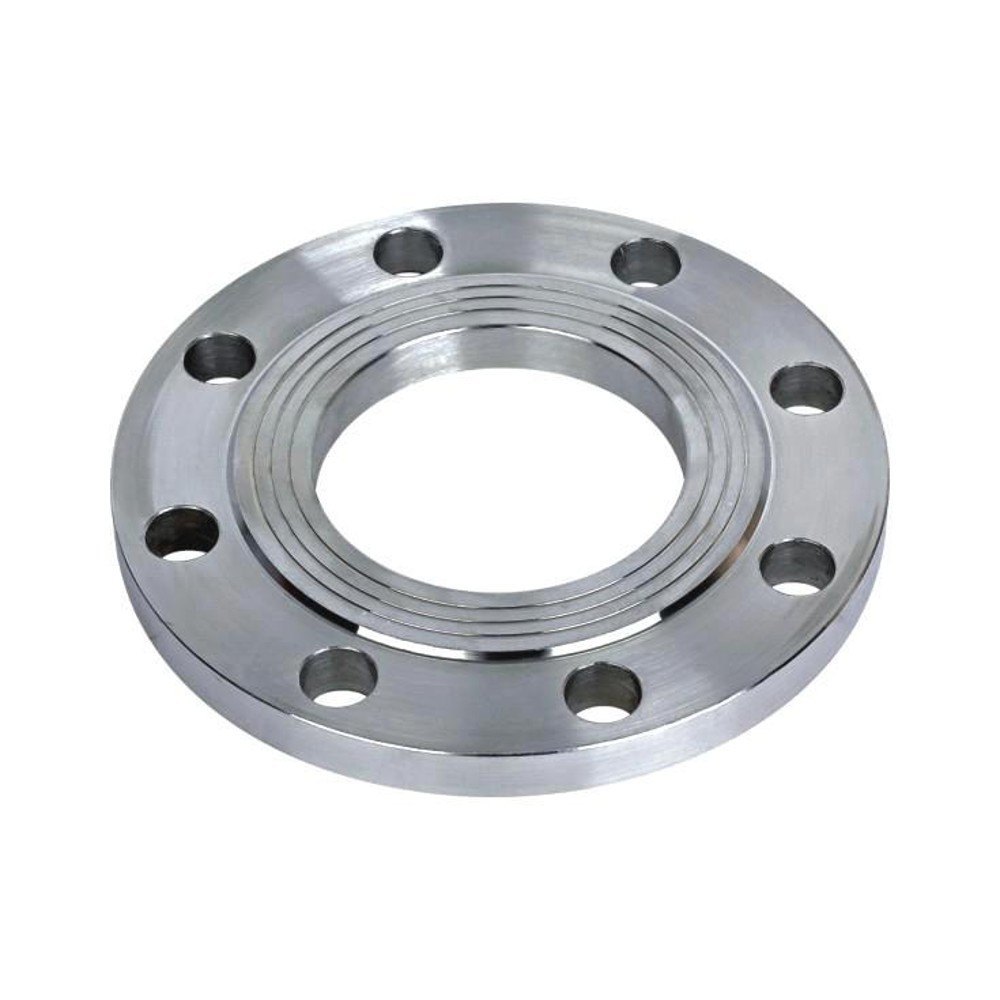
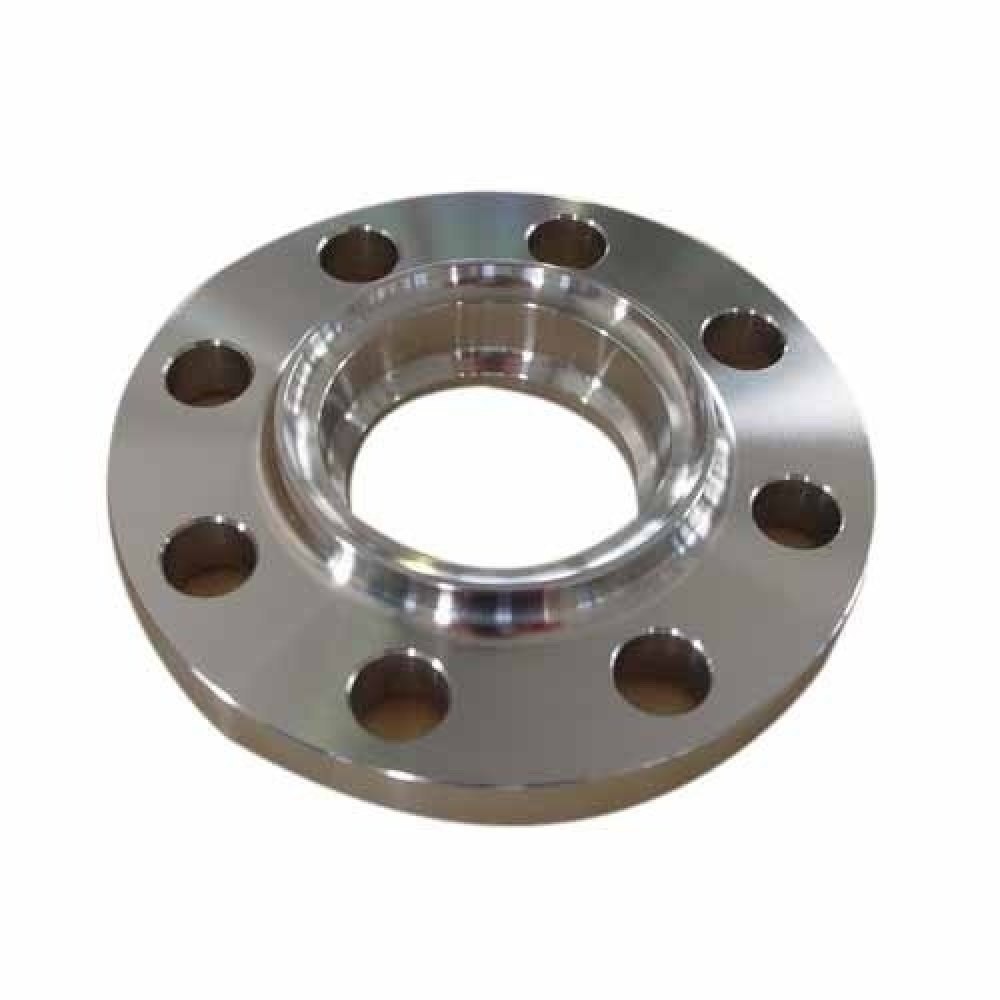
Versatile Connection Types for Flexible InstallationThe flanges come in a variety of connection options, including weld neck, slip on, blind, socket weld, threaded, lap joint, and orifice types. This flexibility allows for seamless integration into virtually any piping system, meeting the requirements of diverse projects and custom installations across industries.
Reliable Performance Across Extreme TemperaturesDesigned to withstand temperatures from as low as -253C up to 400C, these Titanium Gr 1 Flanges maintain structural integrity and performance. Such a broad temperature tolerance makes them suitable for cryogenic processes as well as high-heat applications, ensuring safe operation under an array of challenging operating conditions.
FAQ's of Titanium Gr 1 Flanges:
Q: How are Titanium Gr 1 Flanges typically used in industrial applications?
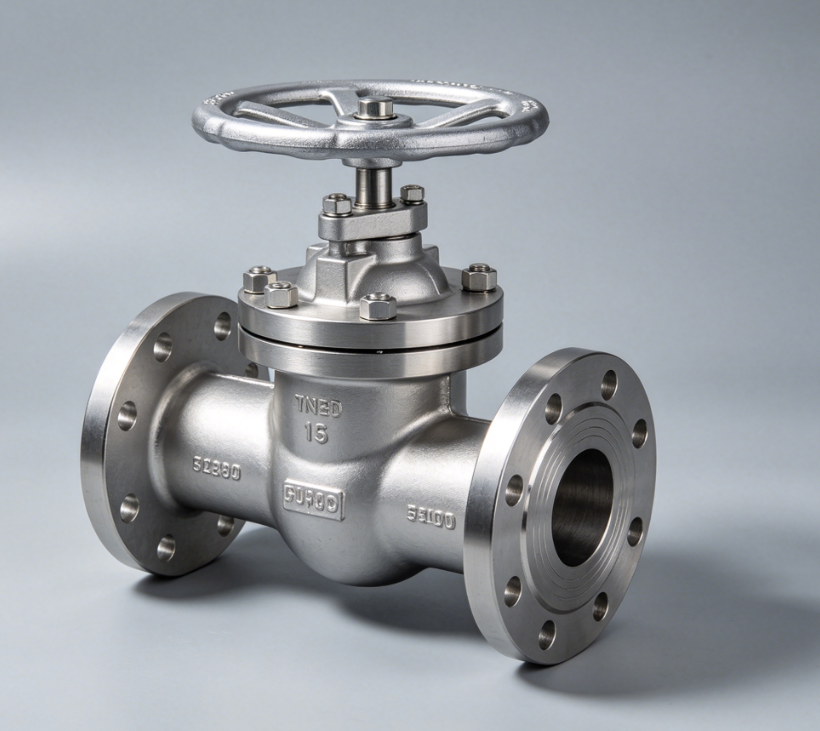
A: Titanium Gr 1 Flanges are widely utilized in industries such as chemical processing, oil & gas, marine, aerospace, and power generation due to their exceptional corrosion resistance and ability to perform reliably in extreme temperatures. They serve as vital joining points in piping systems requiring durability and longevity.
Q: What benefits does Titanium Gr 1 offer compared to other flange materials?
A: Titanium Gr 1 provides high resistance to corrosion in both oxidizing and reducing environments, lightweight construction (density of 4.51 g/cm3), and excellent machinability. Its low to moderate strength and high melting point make it suitable for specialized, demanding engineering applications where durability and resistance to degradation are crucial.
Q: Where can these flanges be installed considering their temperature range?
A: With a temperature range of -253C to +400C, Titanium Gr 1 Flanges can be installed in both cryogenic and high-temperature environments, including chemical reactors, storage tanks, heat exchangers, and marine systems exposed to severely fluctuating or extreme conditions.
Q: What is the typical process for ordering customized Titanium Gr 1 Flanges?
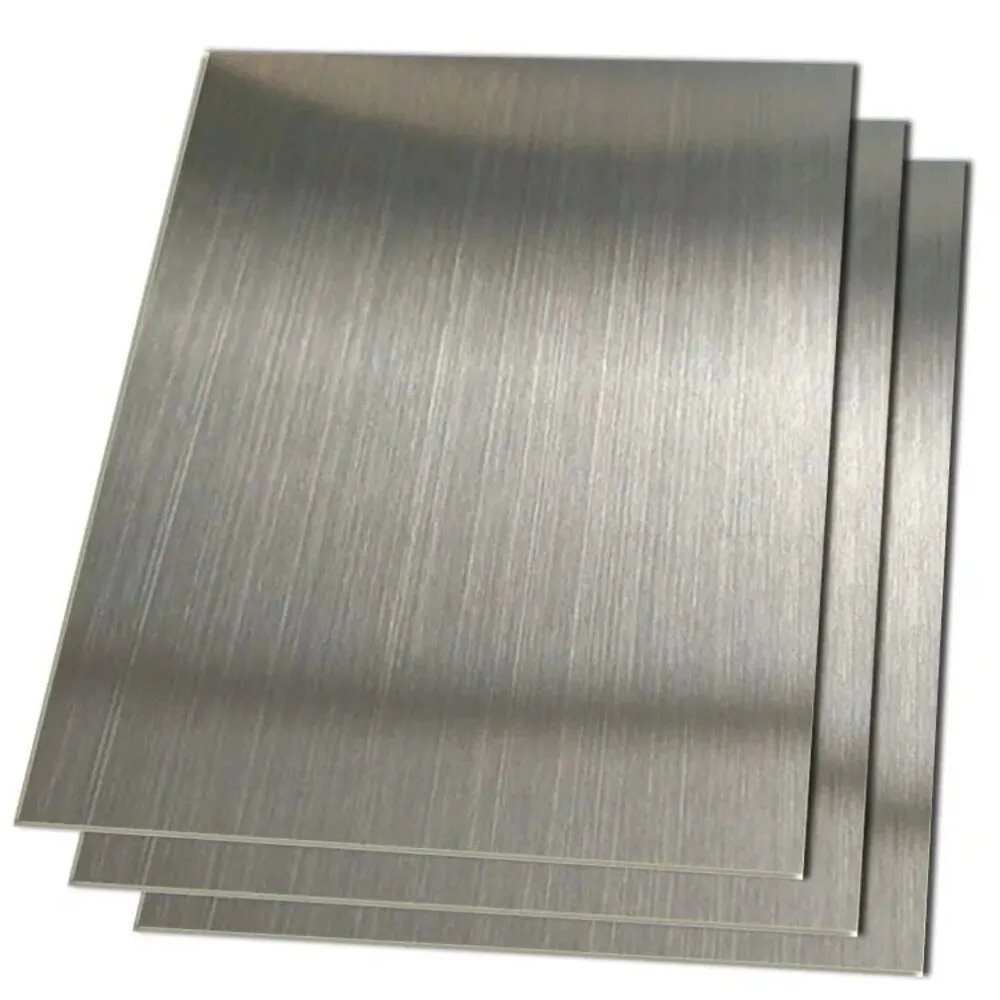
A: Customers can specify size (from 1/2" to 48" NB or custom dimensions), surface finish, connection type, pressure rating, and specific packaging needs. Upon receiving requirements, manufacturers or suppliers tailor the flanges to the client's project specifications, ensuring all standards and quality controls are met.
Q: When is it recommended to use a particular connection type, such as weld neck or slip on?
A: Selection of connection type depends on system design and performance requirements. Weld neck flanges are preferred in high-pressure or high-temperature systems for enhanced strength, while slip on flanges are often used in low-pressure, non-critical applications for easy installation and alignment.
Q: What are the advantages of the surface finishes available for these flanges?
A: Smooth and bright surface finishes reduce the risk of contamination and facilitate easier maintenance, while customized finishes can be provided to match aesthetic or functional requirements. Proper finishing further enhances the flanges' corrosion resistance and service life.





 Send Inquiry


 Send Inquiry
 Send Inquiry
 Send SMS
 Call Me Free


