Titanium Gr 23 Bars About
Titanium GR23 bars are often sought after for their exceptional strength and durability. While many metals offer strength, Titanium GR23 bars stand out due to their unique chemical composition. These bars are composed primarily of titanium with small amounts of aluminum and vanadium, giving them excellent corrosion resistance and biocompatibility. Additionally, this composition makes them ideal for medical implants and aerospace applications, where lightweight and sturdy materials are essential. Understanding the chemical makeup of Titanium GR23 bars is crucial for those seeking to harness their exceptional properties effectively. As an expert in the field, I highly recommend these bars to anyone needing a high-performing and long-lasting material.
Exceptional Properties for Demanding ApplicationsTitanium Gr 23 Bars are engineered for superior mechanical properties, combining high strength, low weight, and excellent resistance to fatigue and corrosion. These characteristics make them highly sought after in medical implants, aerospace components, and chemical processing. Annealed or as-rolled surface finishes ensure reliability and performance under critical conditions.
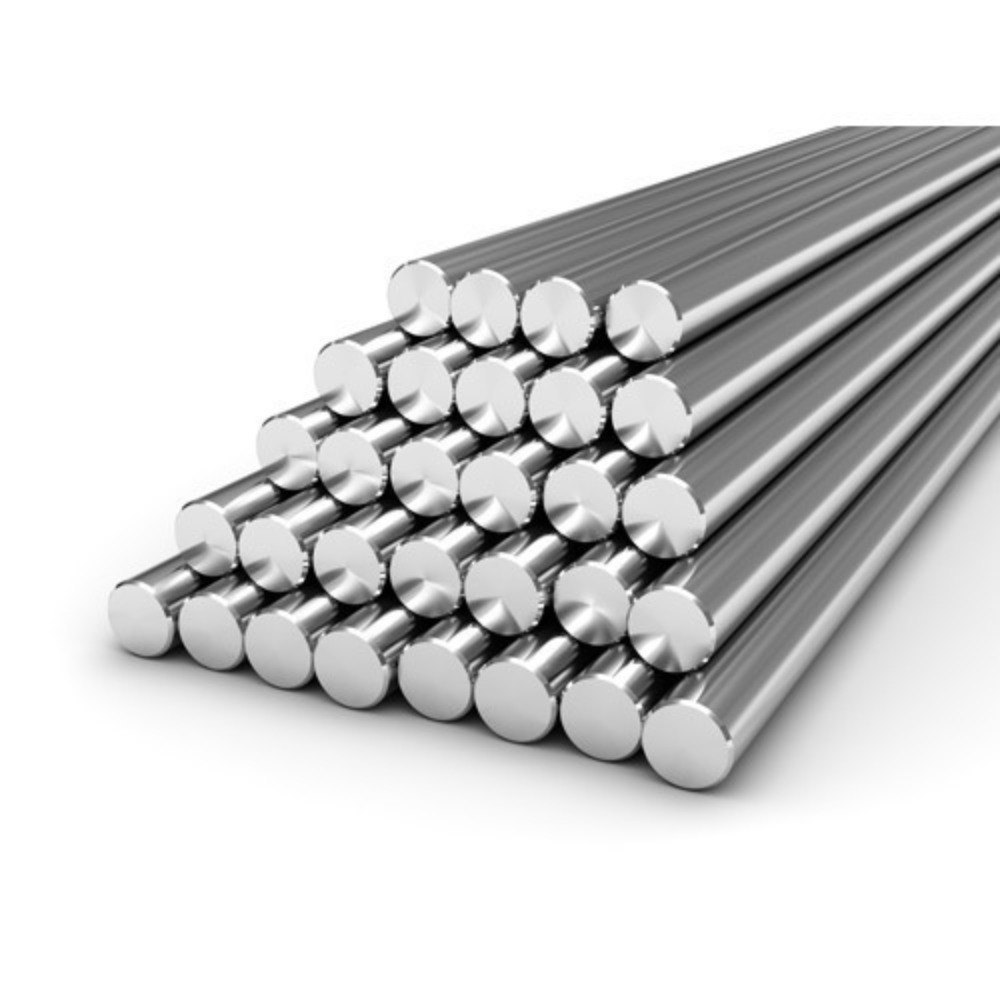
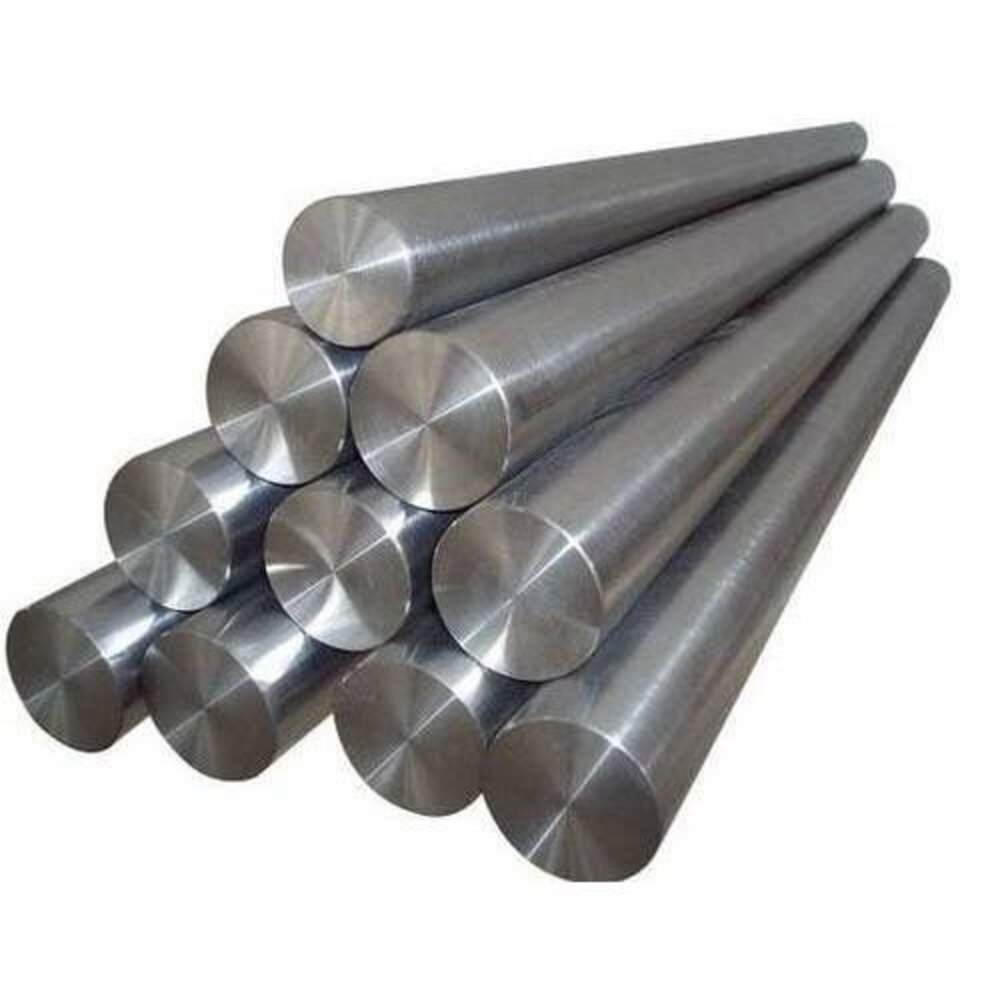
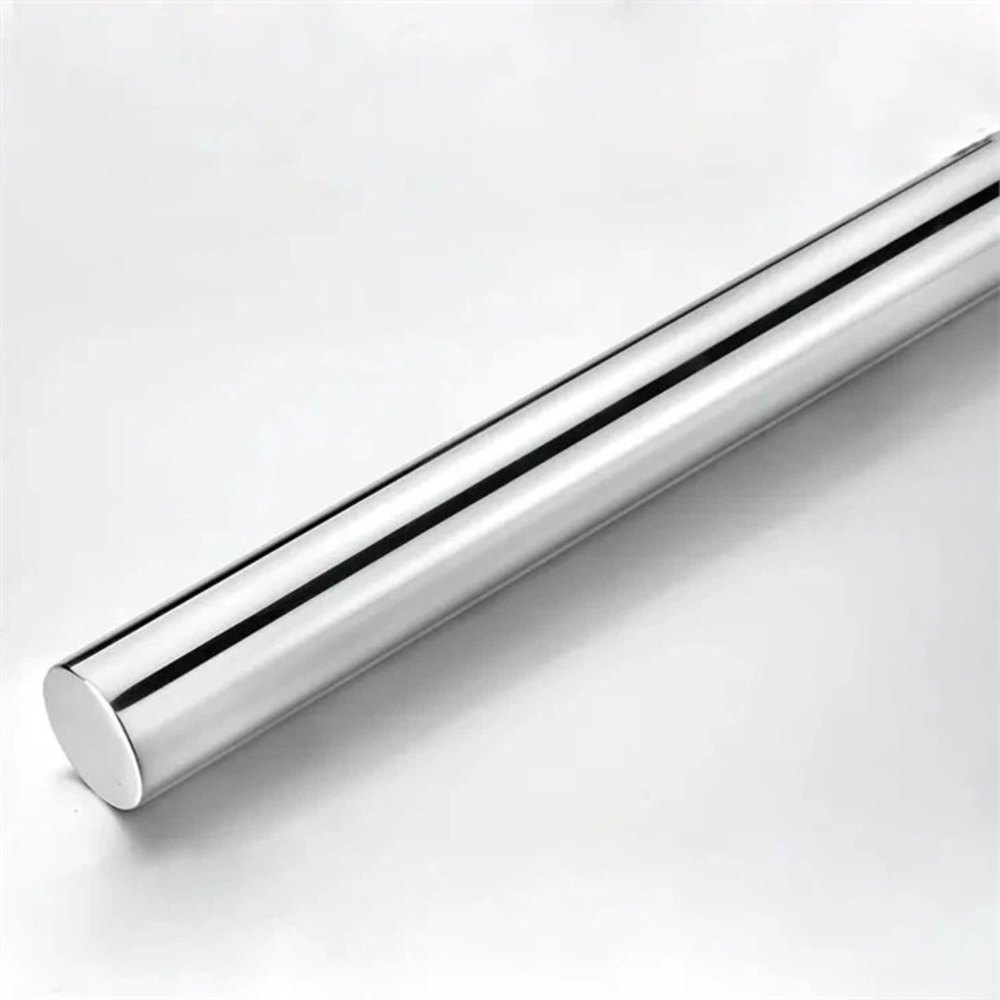
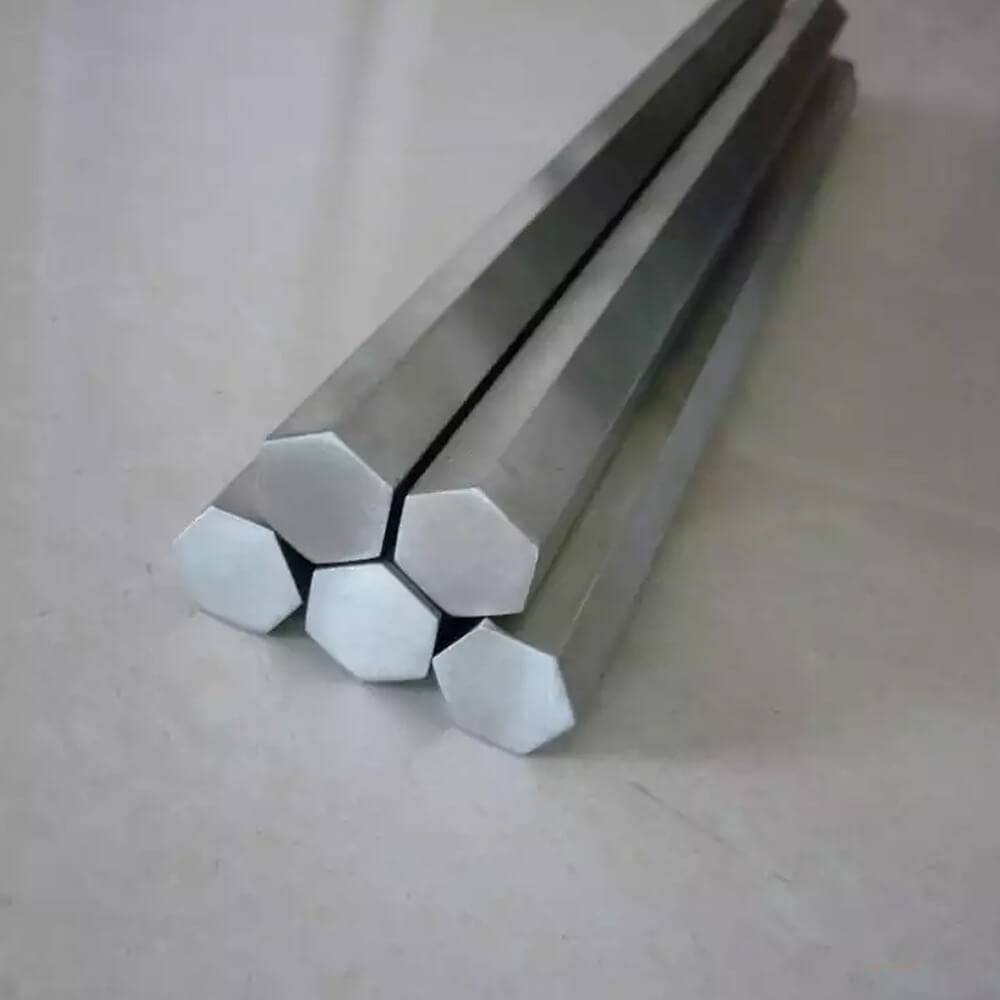
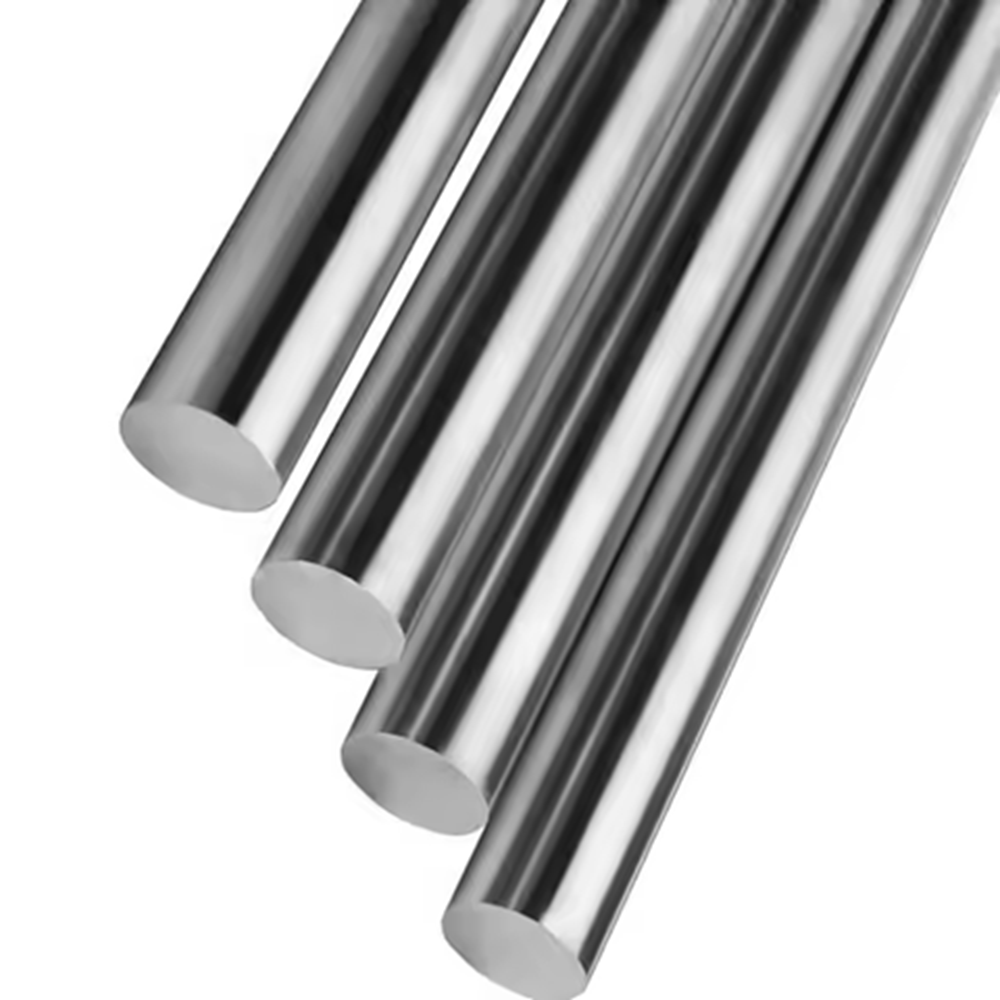
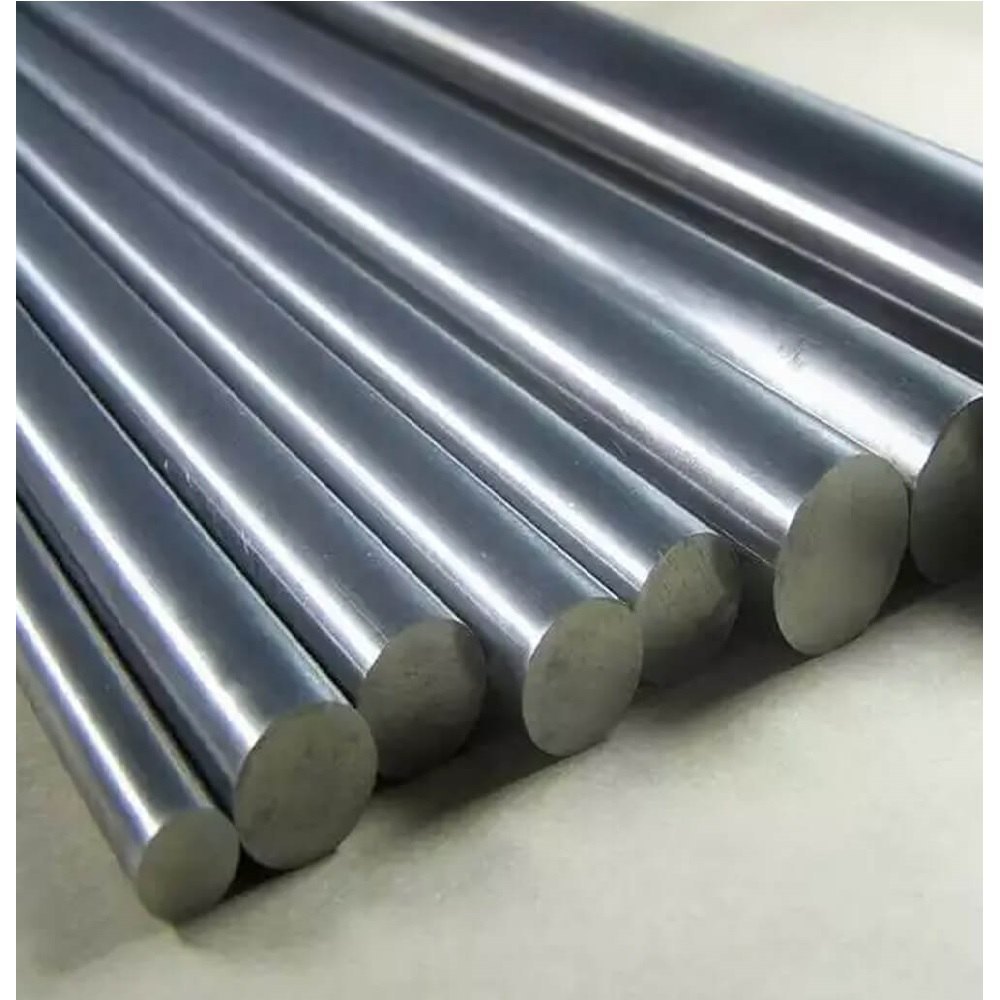
Versatility in Sizing and FinishingCustomized to precise requirements, these bars are available in various diameters, typically from 3 mm to 300 mm, with length options up to 6000 mm. The available finishes-bright, ground, or polished-ensure that aesthetics and functional needs are both met. Custom cutting services provide users with exact dimensions for ease in downstream applications.
Reliable Performance in Harsh EnvironmentsWith superior corrosion resistance, high fatigue strength, and a melting point of approximately 1600C, Titanium Gr 23 Bars endure demanding environments such as offshore, medical, and high-stress aerospace settings. Their excellent weldability and machinability further enhance their adaptability and utility in diverse industries.
FAQ's of Titanium Gr 23 Bars:
Q: How do Titanium Gr 23 Bars benefit medical and aerospace applications?
A: Titanium Gr 23 Bars offer a combination of biocompatibility, high strength, and excellent corrosion resistance, making them ideal for medical implants and aerospace structures that require durability and reliability under stress.
Q: What standards are Titanium Gr 23 Bars manufactured to meet?
A: These bars are produced according to ASTM F136, ASTM B348, AMS 4930, and ISO 5832-3 standards, ensuring consistent quality and performance, especially for critical industrial and medical uses.
Q: When should I choose Titanium Gr 23 Bars over other titanium alloys?
A: Choose Grade 23 bars when high strength, low weight, exceptional fatigue resistance, and biocompatibility are required, such as in biomedical implants, high-performance components, or corrosive environments.
Q: Where are Titanium Gr 23 Bars typically used?
A: They see frequent application in medical implants, aerospace frameworks, marine hardware, and chemical processing facilities, owing to their unique combination of strength, fatigue resistance, and chemical stability.
Q: What is the process for customizing the length or diameter of these bars?
A: Manufacturers offer custom-cut lengths up to 6000 mm and diameters typically ranging from 3 mm to 300 mm. You can specify your requirements during ordering for precise sizing to suit specific projects.
Q: How does the surface finish affect Titanium Gr 23 Bar performance?
A: Available in bright, ground, or polished finishes, the surface treatment can enhance corrosion resistance, ease of cleaning in medical uses, and ensure an appealing aesthetic for visible installations.
Q: What advantages does Titanium Gr 23 offer in harsh environments?
A: Its non-magnetic properties, high fatigue strength, excellent corrosion resistance, and high melting point equip these bars to perform reliably in extreme marine, aerospace, and chemical processing conditions.





 Send Inquiry


 Send Inquiry
 Send Inquiry
 Send SMS


