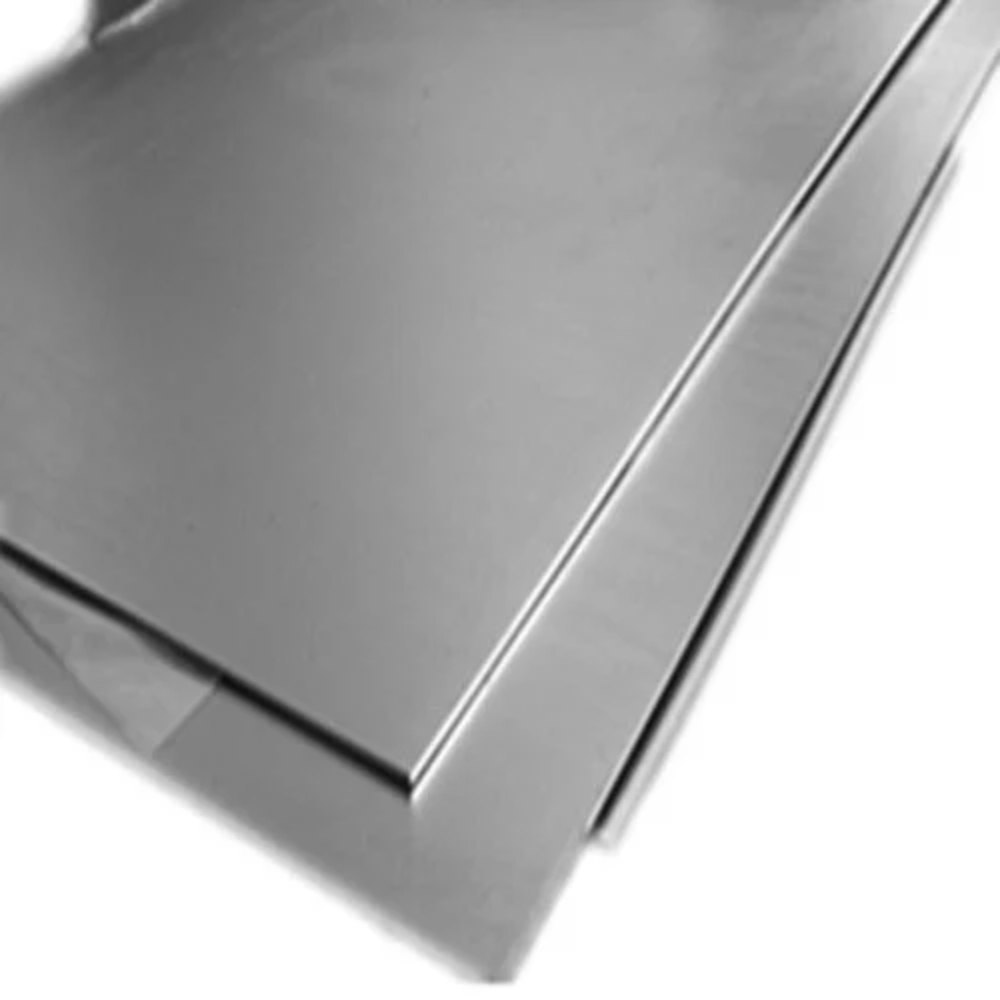
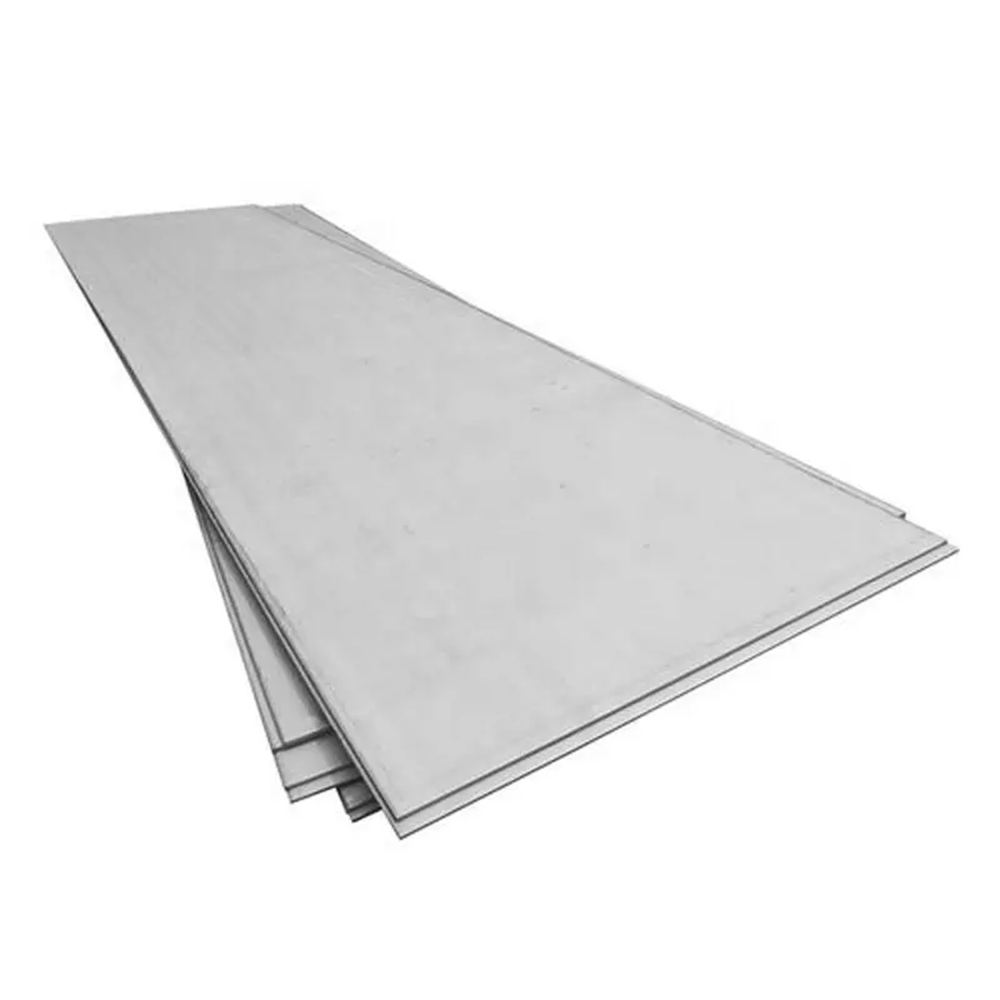
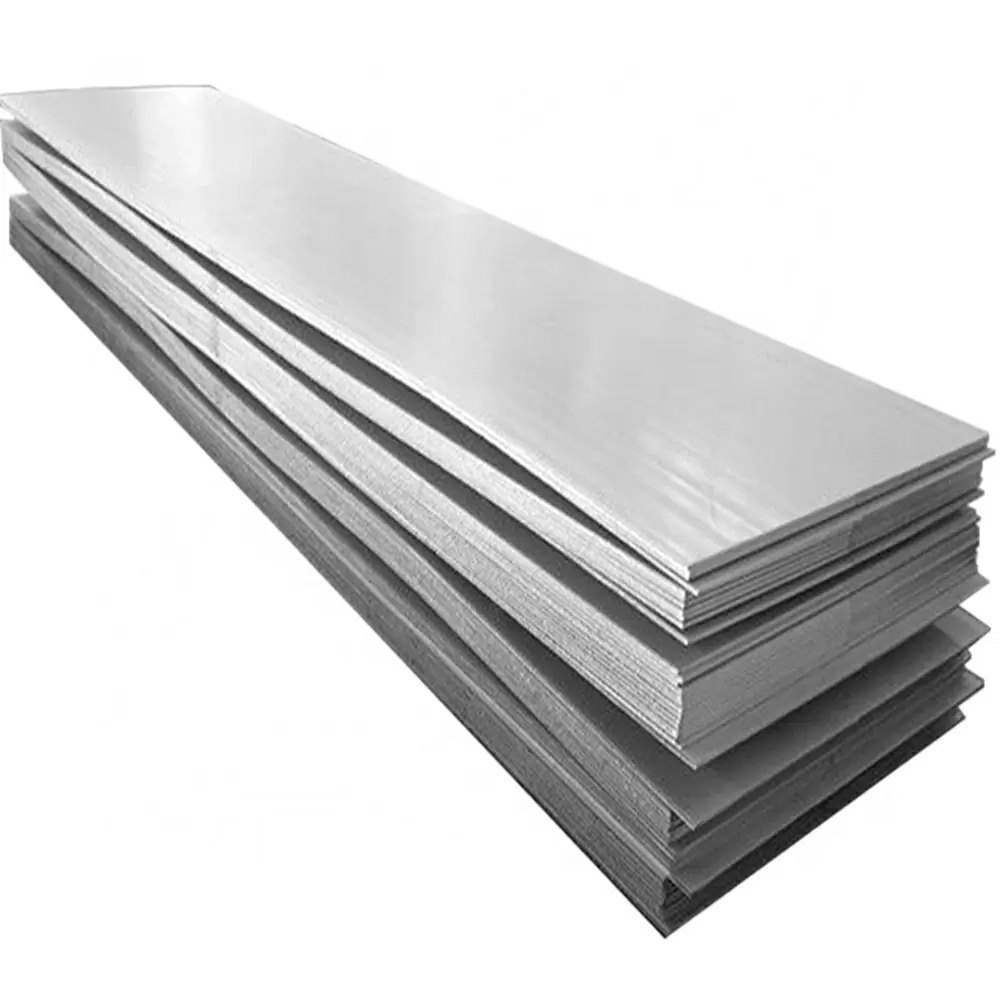
Titanium Gr1 Plates About
Titanium GR1 Plates' unique chemical composition distinguishes them from other available materials. Renowned for their unparalleled strength-to-weight ratio, these plates primarily consist of the chemical element titanium, with trace amounts of additional elements such as iron, oxygen, carbon, nitrogen, and hydrogen. Consequently, due to their exceptional corrosion resistance, impressive durability, and superior mechanical performance, Titanium GR1 Plates are extensively used across various industries, including aerospace, automotive, and marine engineering. As an expert, I must emphasize the significance of understanding the distinctive chemical properties central to these
plates to optimize their applications and explore their untapped potential effectively
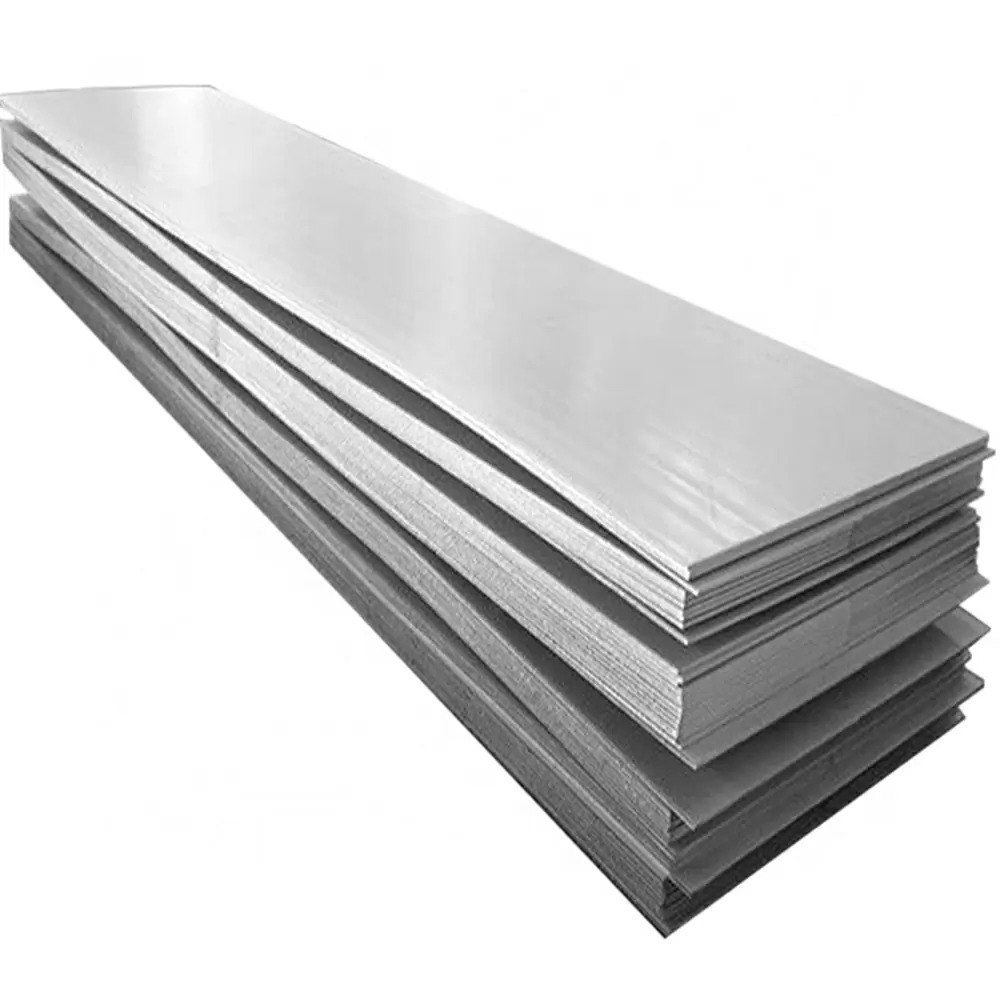
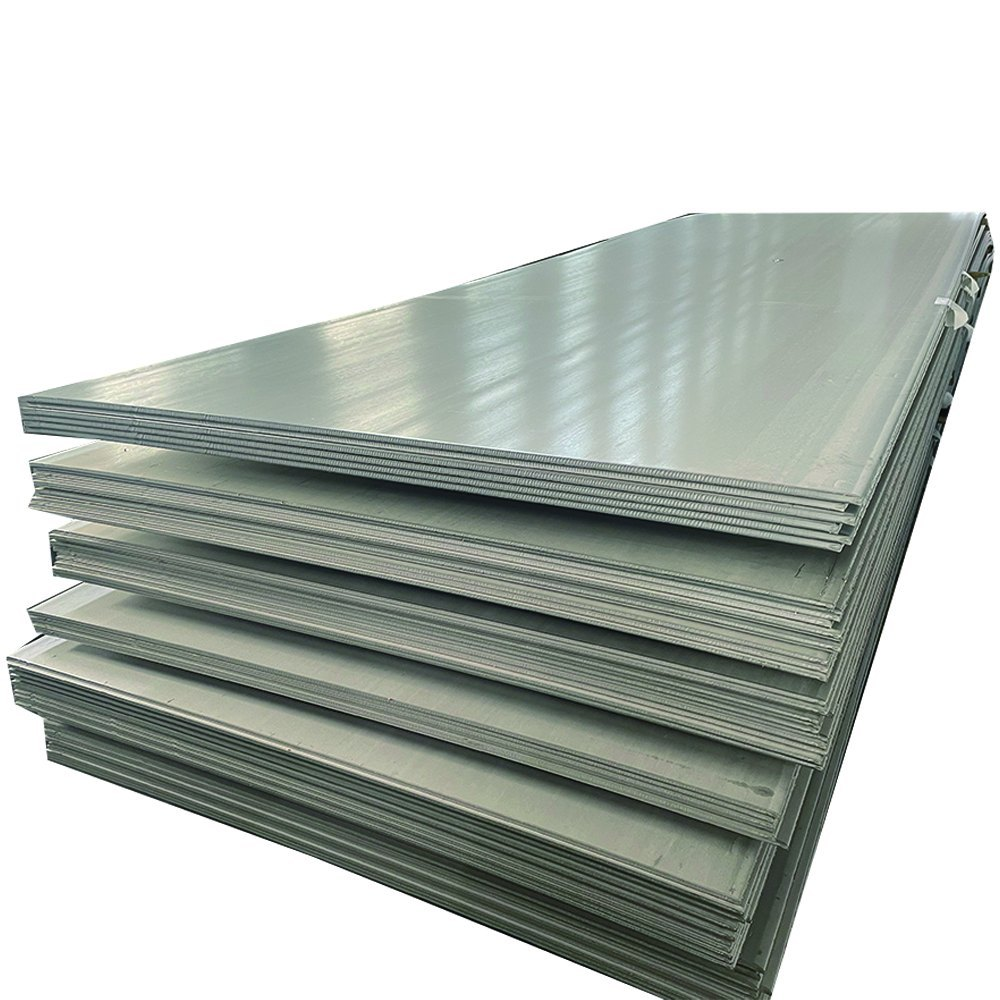
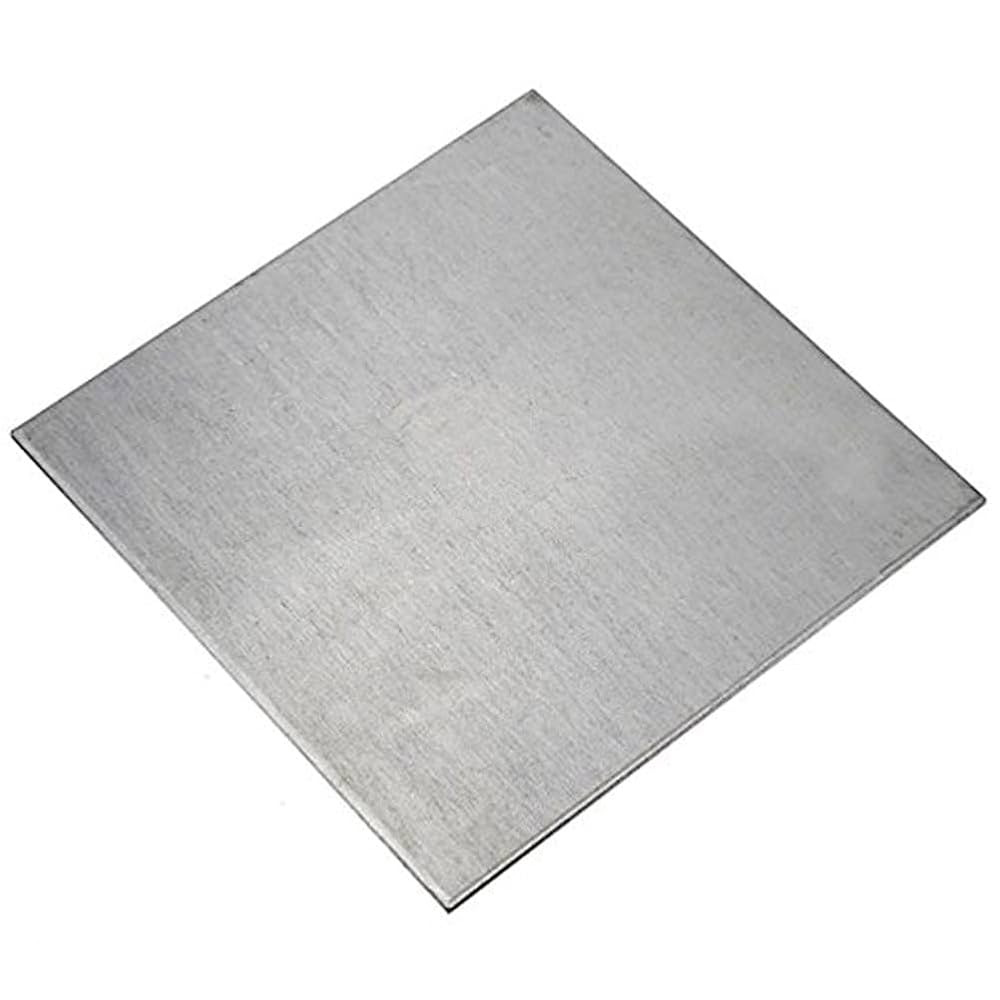
Versatile Corrosion-Resistant Titanium PlatesTitanium Gr1 Plates are highly regarded for their outstanding corrosion resistance and excellent workability. With customizable sizes and various surface finishes, they suit diverse industrial requirements. Their reliable performance under demanding conditions and superior material properties ensure longevity and safety for critical applications such as aerospace components, chemical vessels, and marine equipment.
High Standards and Customization OptionsEach plate is manufactured to meet ASTM B265 and ASME SB265 standards. Customers can specify width, length, and thickness within extensive ranges, ensuring the product fits exact project needs. Precision tolerances and multiple surface finishes ensure a tailored solution for every client, whether for intricate medical instruments or robust marine hardware.
Applications Across Advanced IndustriesThe intrinsic qualities of Titanium Gr1-such as its lightweight, low strength, and exceptional corrosion resistance-make these plates invaluable in industries that demand top-level material performance. From medical implants to aerospace structures, their applicability extends to any environment where reliability, resistance, and formability are critical considerations.
FAQ's of Titanium Gr1 Plates:
Q: How are Titanium Gr1 Plates manufactured and finished?
A: Titanium Gr1 Plates are produced using hot rolled, cold rolled, or polished finishing processes, resulting in smooth surfaces and precise dimensions. These methods adhere to ASTM B265/ASME SB265 standards and can be tailored for specific industrial requirements.
Q: What makes Titanium Gr1 Plates suitable for aerospace and marine applications?
A: Their combination of low density, outstanding corrosion resistance, and excellent weldability ensures Titanium Gr1 Plates perform well in aggressive and high-stress environments like aerospace and marine industries.
Q: When should I choose a hot rolled versus a cold rolled plate?
A: Hot rolled plates are typically used when thicker sections and moderate surface finish are acceptable, while cold rolled plates offer better surface quality and tighter dimensional tolerances, suited for medical, precision, or aesthetic applications.
Q: Where can Titanium Gr1 Plates be customized for size and tolerance?
A: These plates can be custom fabricated to specific widths, lengths, and thicknesses (0.5 mm to 100 mm, up to 2500 mm wide and 6000 mm long). Tolerances are provided as per standard norms or exact client specifications.
Q: What is the typical chemical composition of Titanium Gr1 Plates?
A: Titanium Gr1 Plates contain a minimum of 99.5% titanium, with controlled additions of oxygen, carbon, nitrogen, hydrogen, and iron to ensure consistent mechanical and corrosion-resistant properties.
Q: How are Titanium Gr1 Plates packaged for shipping?
A: To ensure safe transportation and preserve surface finish, plates are packed in robust wooden cases or pallets, protecting them from mechanical damage and environmental contaminants.
Q: What are the key benefits of using Titanium Gr1 compared to other metals?
A: Apart from its remarkable corrosion resistance, Titanium Gr1 offers excellent formability, low-to-moderate strength, a favorable strength-to-density ratio, and biocompatibility-making it ideal for diverse, high-performance applications.





 Send Inquiry


 Send Inquiry
 Send Inquiry
 Send SMS


