Duplex Steel S31803 Pipe Fittings About
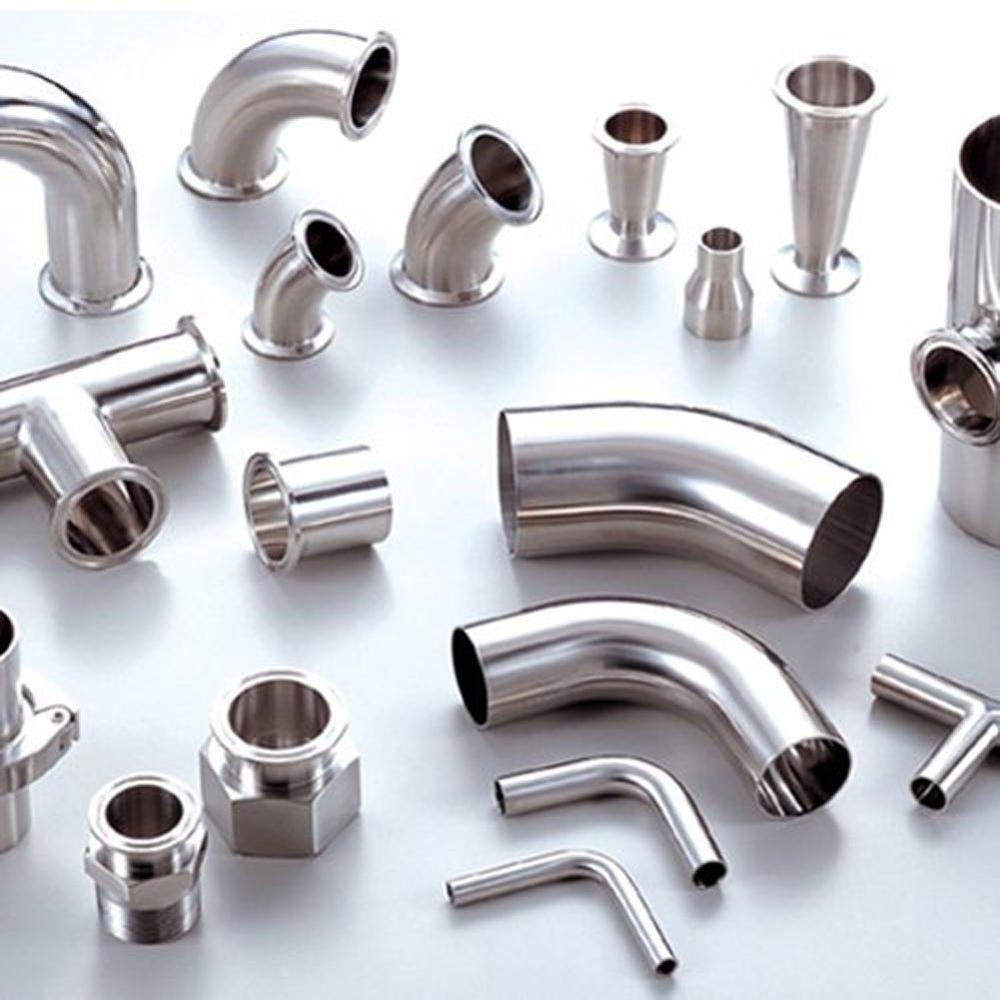
Duplex Steel S31803 pipe fittings are critical in piping systems since they are strong, corrosion resistant, and possess excellent mechanical properties. These fittings are produced from duplex stainless steel, S31803, with equal portions of austenite and ferrite. This composition provides excellent strength and corrosion resistance, making the S31803 pipe fittings ideal for high pressure applications in different sectors.
Advanced Duplex Stainless Steel CompositionDuplex Steel S31803 combines high levels of chromium (21-23%), nickel (4.5-6.5%), and molybdenum (2.5-3.5%), ensuring remarkable resistance to corrosion and stress-related failures. With a balanced dual-phase microstructure, these fittings achieve both strength and ductility, outperforming many conventional stainless steels. Their slightly magnetic nature is due to the presence of a ferritic phase, enabling easy differentiation from austenitic counterparts.
Versatile Manufacturing and End ConfigurationsAvailable with seamless or welded (ERW, EFW) production techniques, Duplex Steel S31803 fittings suit a variety of applications. Customizable end types-including beveled, plain, and threaded-allow easy installation and integration within diverse piping systems. Multiple forming options, like hot or cold working, further enhance their adaptability to complex project requirements.
Optimal Performance in Demanding EnvironmentsDeveloped to meet ASME B16.9 and B16.28 standards, these pipe fittings offer high impact strength, especially in low-temperature services. With thickness options ranging from Sch 10S to Sch 160, they are engineered for reliable performance across extreme conditions typical in chemical, petrochemical, and marine applications. Their resistance to pitting and crevice corrosion makes them especially suitable for aggressive fluid media.
FAQ's of Duplex Steel S31803 Pipe Fittings:
Q: What production techniques are used for Duplex Steel S31803 pipe fittings?
A: Duplex Steel S31803 pipe fittings are manufactured using seamless and welded methods, including ERW (Electric Resistance Welding) and EFW (Electric Fusion Welding). These techniques ensure high structural integrity, making the fittings suitable for various pressure and application requirements.
Q: How do these fittings perform in low temperature applications?
A: These fittings have excellent impact strength, even at low temperatures, making them well-suited for demanding environments such as cryogenic or cold climate installations where reliable performance is critical.
Q: Where are Duplex Steel S31803 pipe fittings typically used?
A: They are widely utilized in industries such as chemical processing, oil & gas, petrochemical, power generation, food processing, and marine applications due to their corrosion resistance and high mechanical strength.
Q: What are the available end types and forms for these fittings?
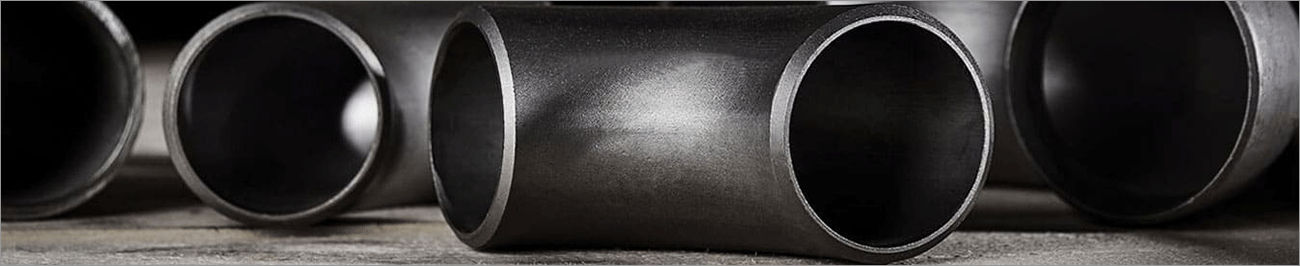
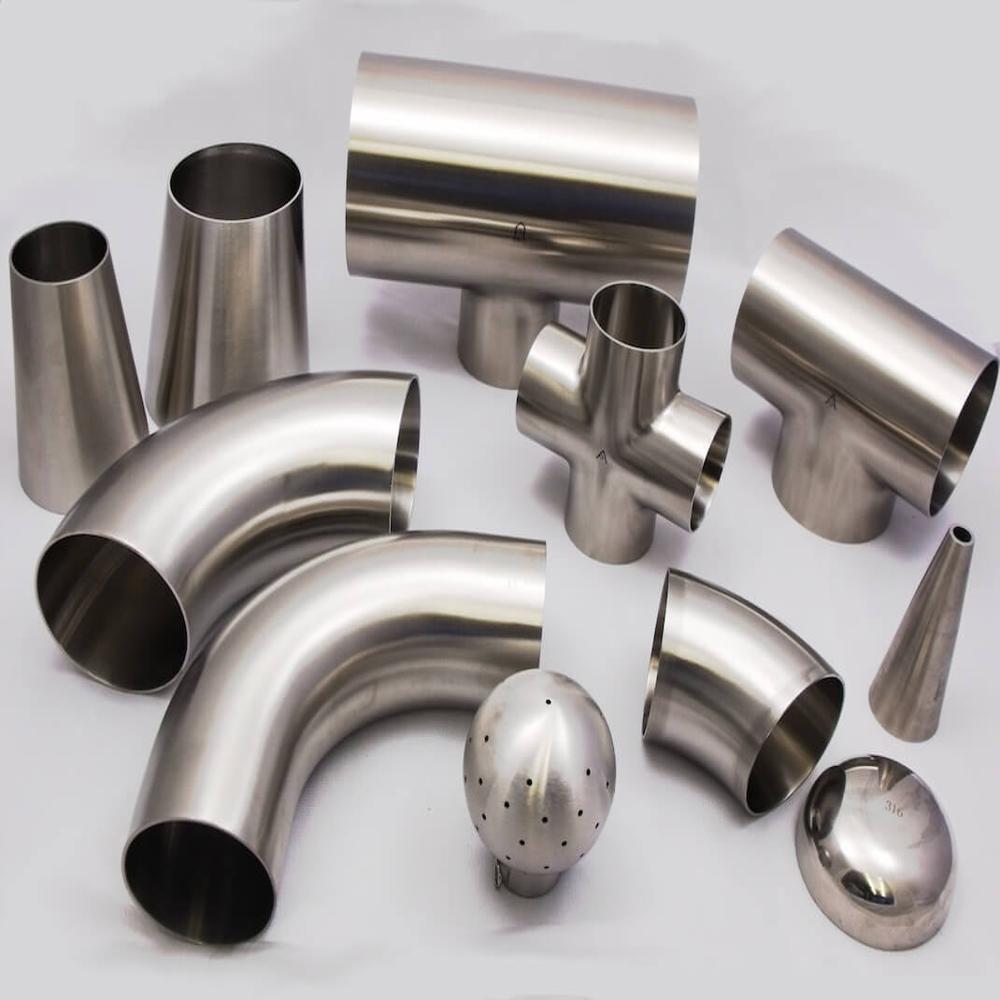
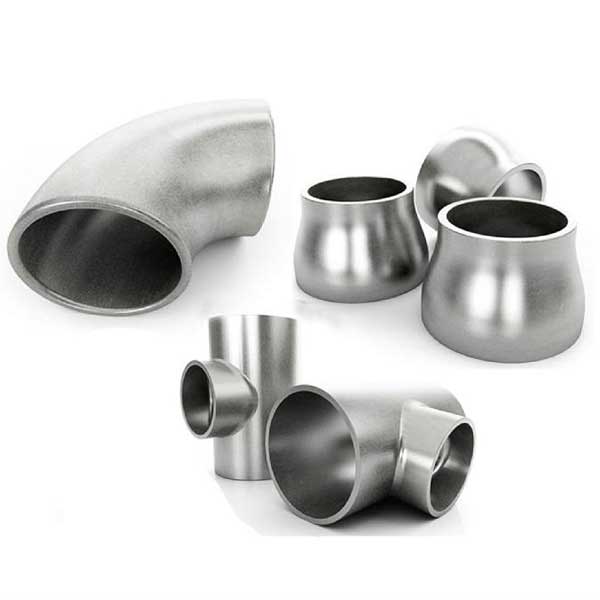
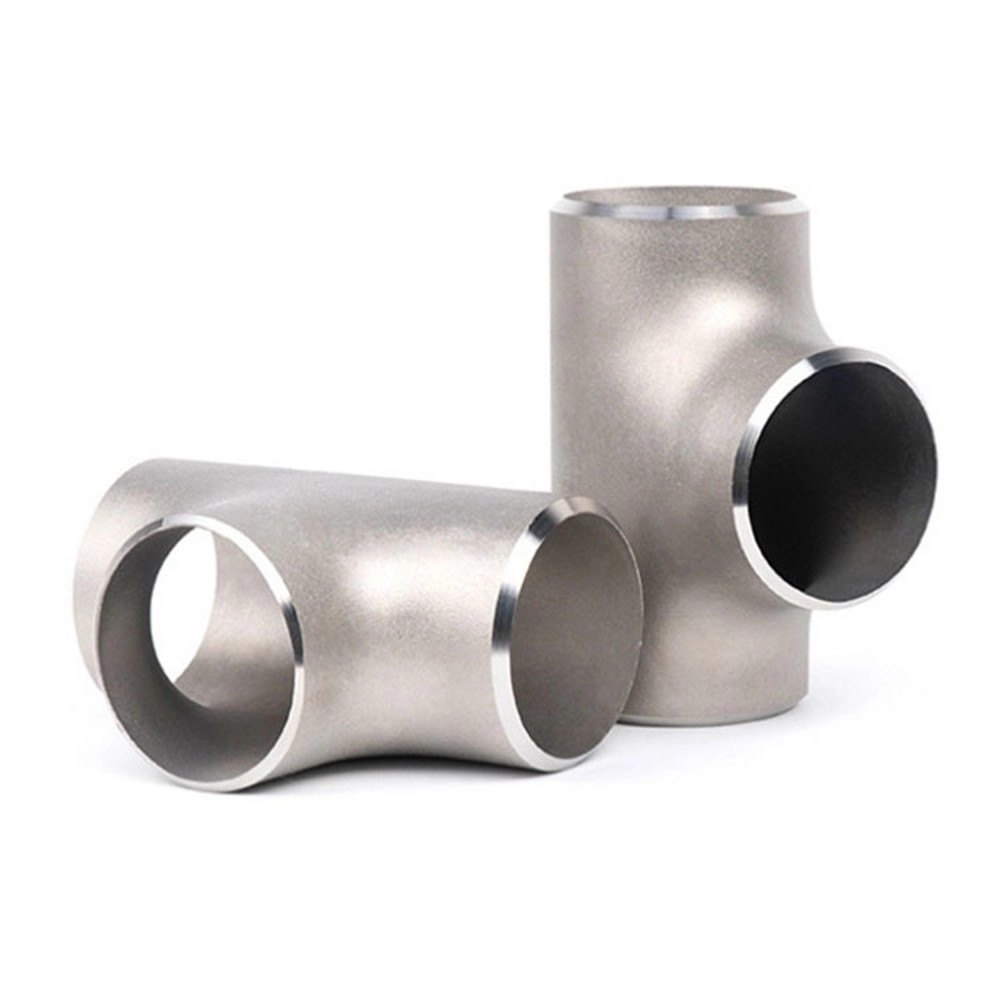
A: Duplex Steel S31803 pipe fittings come in beveled, plain, and threaded ends, and are available as long/short radius elbows, concentric/eccentric reducers, tees, caps, stub ends, crosses, bends, nipples, and couplings, among others. This variety supports seamless integration into different piping systems.
Q: What standard and pressure ratings do these fittings comply with?
A: The fittings conform to ASME B16.9 and B16.28 standards, ensuring that their design and pressure ratings align with industry specifications for safety and durability. Thickness classes include Sch 10S, 20, 40S, 80S, 160, with custom options available.
Q: Do the magnetic properties affect their performance?
A: These fittings are slightly magnetic due to their ferritic phase, which does not hinder their industrial performance but can aid in identification during installation and quality checks.
Q: What are the main benefits of using Duplex Steel S31803 pipe fittings?
A: The primary benefits include superior strength, outstanding corrosion resistance, excellent weldability with low risk of hot cracking, adaptability for cold and hot forming, and suitability for aggressive and low-temperature environments, making them a cost-effective choice for critical piping applications.





 Send Inquiry


 Send Inquiry
 Send Inquiry
 Send SMS


