Duplex Steel S31803 Valves About
duplex stainless steel S31803 valves are a type of corrosion-resistant material designed for various industrial applications. These valves are composed of iron, chromium, nickel, molybdenum, and manganese. The chromium in these valves offers strong resistance to stress corrosion cracking, and the nickel content provides high general corrosion resistance in many environments, such as seawater. Additionally, molybdenum serves as an effective deterrent against pitting and crevice corrosion. Lastly, a small amount of manganese is included in the alloy, which helps increase the hardenability of the valves to achieve higher strength levels. Duplex steel S31803 valves provide excellent durability while also staying lightweight making them ideal for operations requiring frequent movement or replacement of damaged parts.
Versatile Valve Design for Critical ApplicationsDuplex Steel S31803 Valves are suitable for a wide range of industries, including oil & gas, petrochemical, chemical processing, and marine environments. Their robust construction, high tensile strength, and excellent corrosion resistance make them ideal for handling corrosive media and high-pressure services, providing dependable performance with various flow control and shut-off needs.
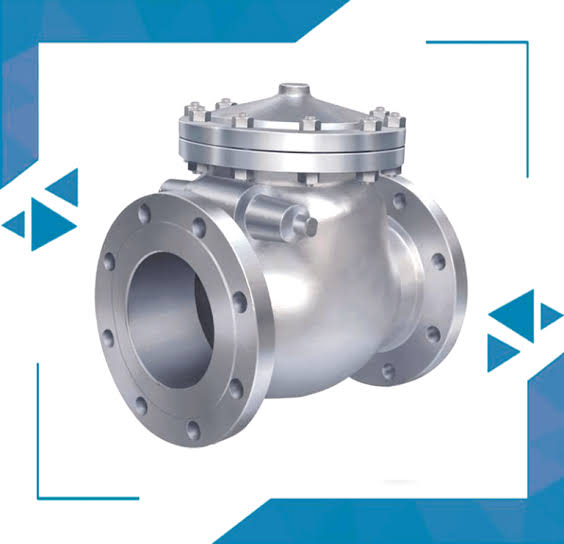
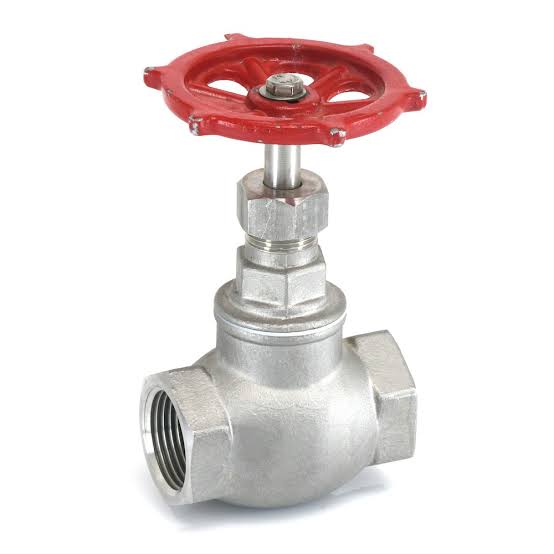
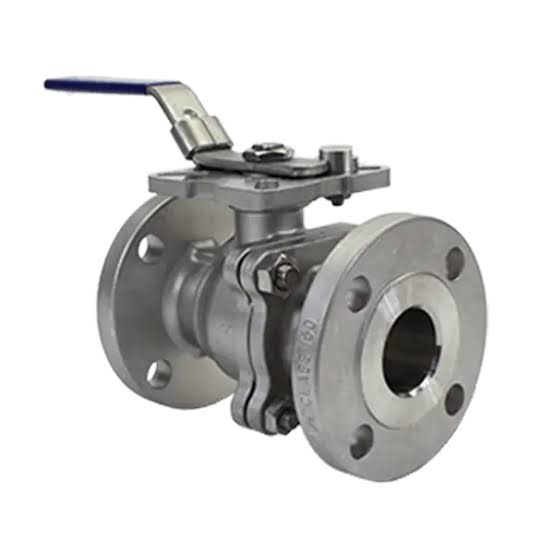
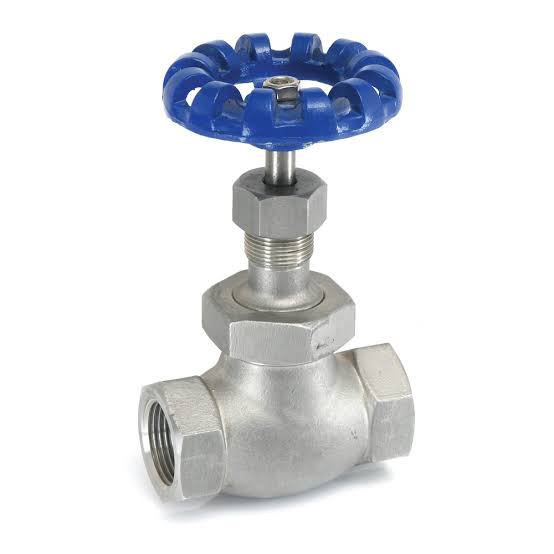
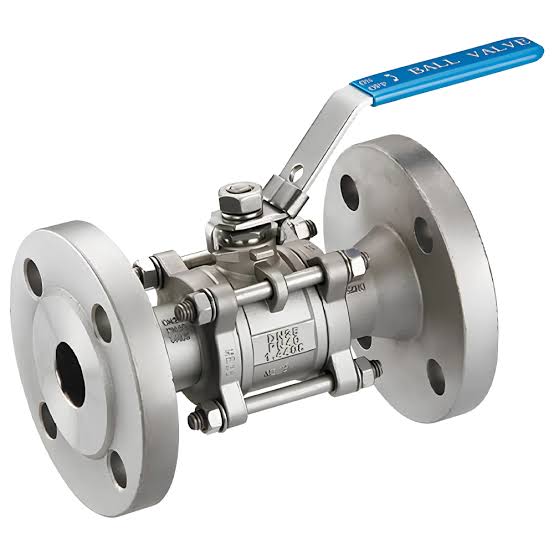
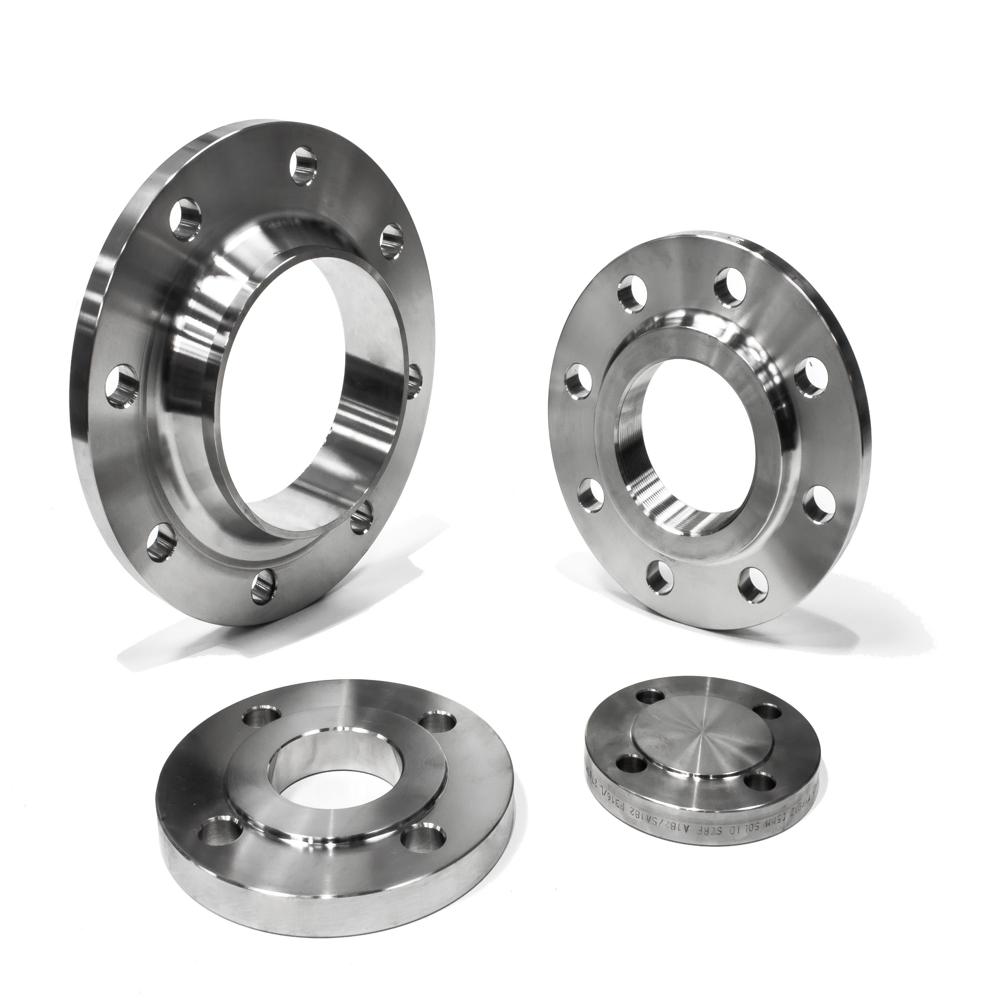
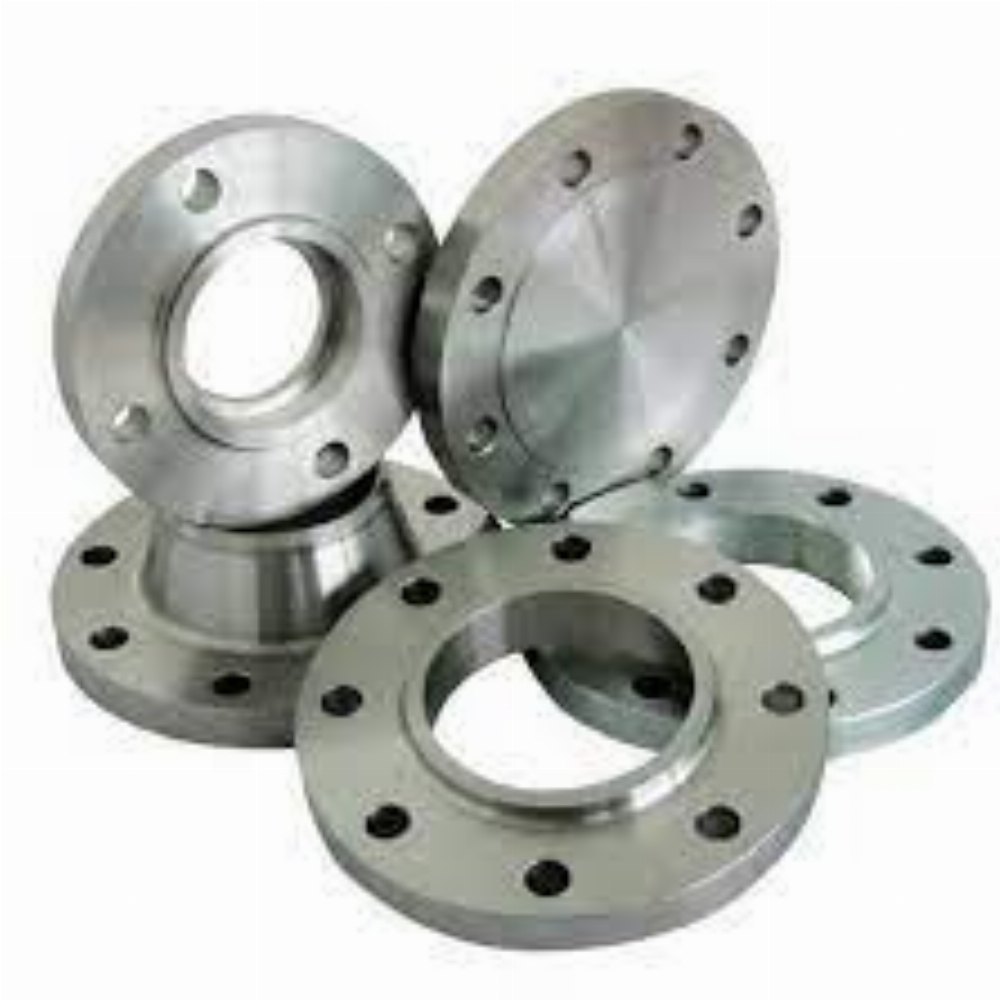
Adaptable End Connections and Valve TypesAvailable with flanged, socket weld, butt weld, and threaded end connections, these valves meet diverse piping requirements. The choice of valve types-gate, globe, ball, check, butterfly, and plug-allows for tailored solutions in flow regulation, isolation, and backflow prevention, ensuring process safety and efficiency in any system.
Safety-focused Features and ComplianceDuplex S31803 valves incorporate advanced features like non-rising and blowout-proof stems, fire safe designs (certified to API 607/6FA on request), and stringent leakage classes for soft or metal seats. Each unit undergoes 100% hydrostatic and pneumatic testing, while face-to-face dimensions conform to ANSI/ASME B16.10 for global compatibility.
FAQ's of Duplex Steel S31803 Valves:
Q: How do Duplex Steel S31803 Valves enhance corrosion resistance in industrial applications?
A: These valves are made from Duplex S31803 stainless steel, which features a ferrite-austenite microstructure and a high alloy content-including 21-23% chromium, 4.5-6.5% nickel, and 2.5-3.5% molybdenum. This composition offers excellent resistance to pitting, crevice, and stress corrosion, making them highly suitable for corrosive environments such as marine, chemical, and petrochemical industries.
Q: What are the main operational modes and their advantages for Duplex S31803 valves?
A: These valves support manual, pneumatic, electric, and hydraulic operation modes. Manual operation suits small or simple installations, while pneumatic, electric, and hydraulic actuators enable remote, automated control, which is beneficial for complex, hazardous, or hard-to-reach systems, maximizing safety and process efficiency.
Q: When should I choose metal-to-metal versus soft seated sealing types for these valves?
A: Metal-to-metal seats are ideal for high-temperature or abrasive services and offer durability, while soft seated options provide tight shut-off (Class VI leakage). The choice depends on your application's pressure, temperature, media type, and required leakage performance.
Q: Where are Duplex S31803 valves most commonly used?
A: They are extensively employed in petrochemical, oil & gas, chemical processing, power generation, water treatment, and marine industries, particularly where corrosion, strength, and temperature resistance are crucial requirements.
Q: What standards and certifications do these valves meet?
A: Duplex S31803 valves conform to key standards such as ASTM A182/A815, ASME B16.34, and face-to-face dimensions per ANSI/ASME B16.10. Optional fire safe designs are certified to API 607/6FA, and each valve undergoes comprehensive hydrostatic and pneumatic testing to ensure quality.
Q: How are these valves customized for specific requirements?
A: Sizes, end connections, valve types, surface finishes, coatings (like PTFE or epoxy), and dimensions can be tailored as per customer specifications. This customization ensures an optimal fit for various system designs, pressure ratings, and installation space constraints.





 Send Inquiry


 Send Inquiry
 Send Inquiry
 Send SMS
 Call Me Free


