Hastelloy B2 Instrumentation Fittings About
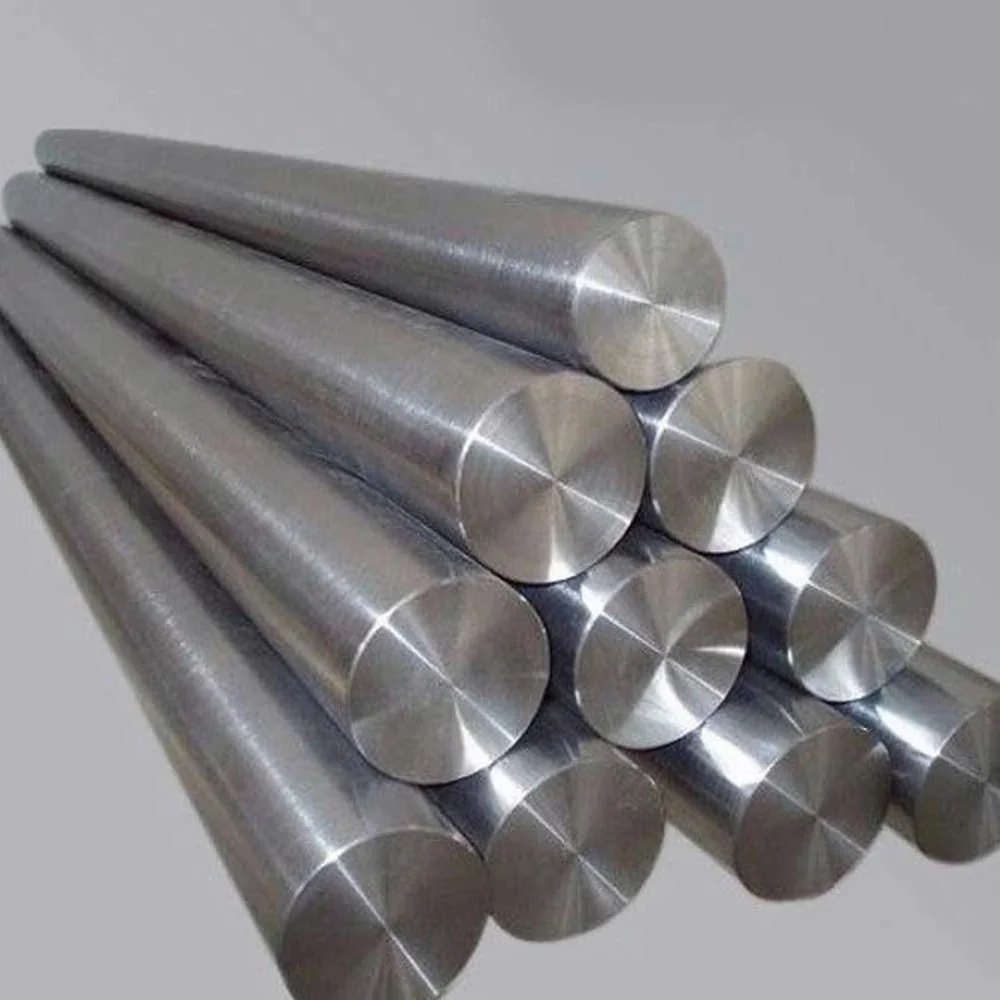
Hastelloy B2 Instrumentation Fittings contain a unique chemical composition ideal for high-temperature and corrosive applications. This specialized alloy is composed primarily of nickel, molybdenum, and chromium, which give it increased resistance to various acids and atmospheric elements. Additionally, its steel content provides the necessary strength and malleability to make intricate fittings with excellent mechanical performance in most environments.
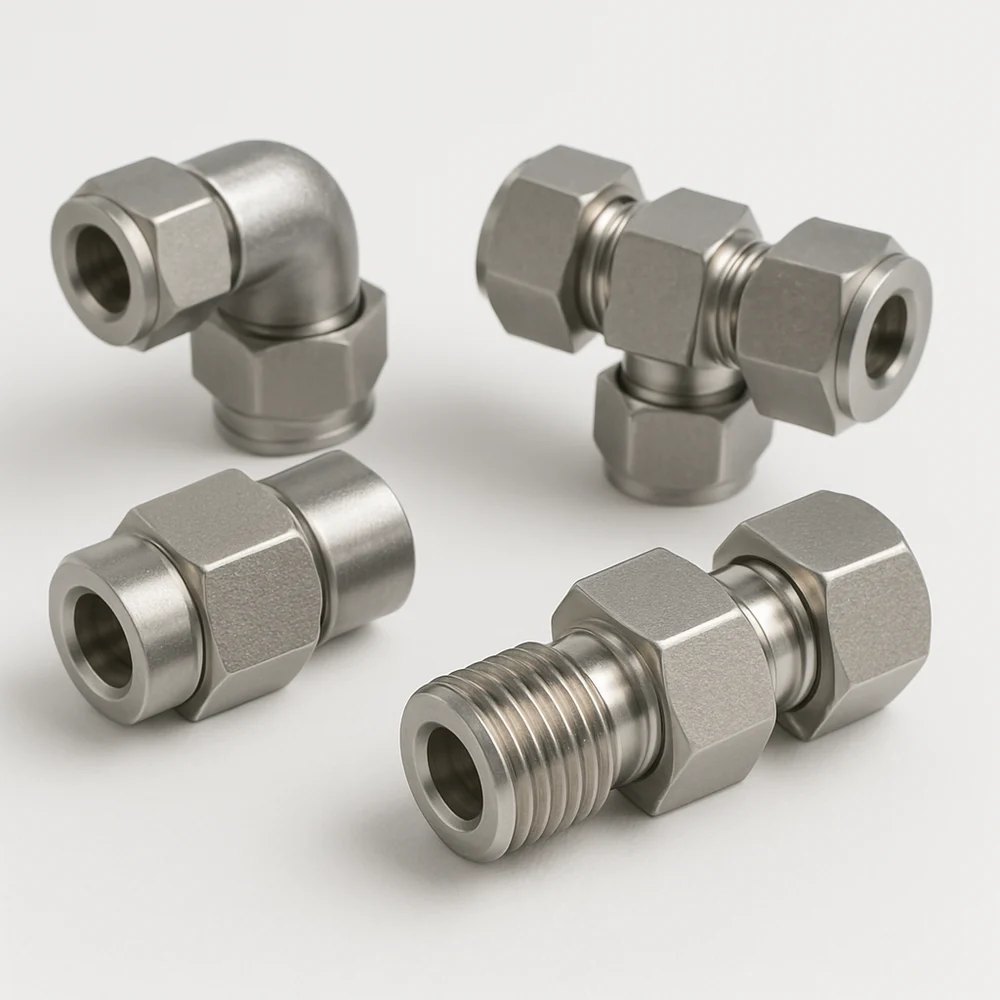
Precision Engineering for Challenging EnvironmentsThese Hastelloy B2 Instrumentation Fittings feature robust construction and precision design, specifically tailored for high-pressure and high-temperature applications. Their excellent corrosion resistance makes them a preferred choice in chemical industries and process instrumentation where aggressive media is present. Each fitting is manufactured under strict quality controls to ensure reliability and durability.
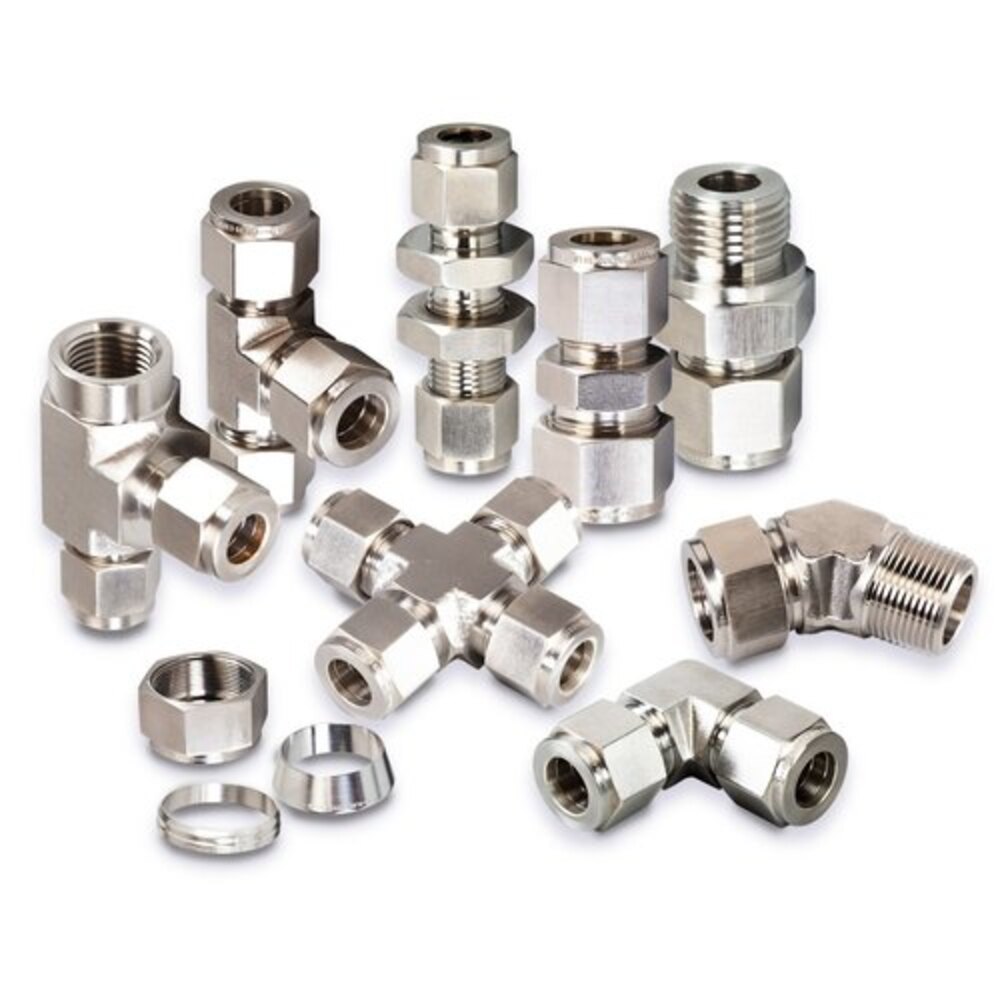
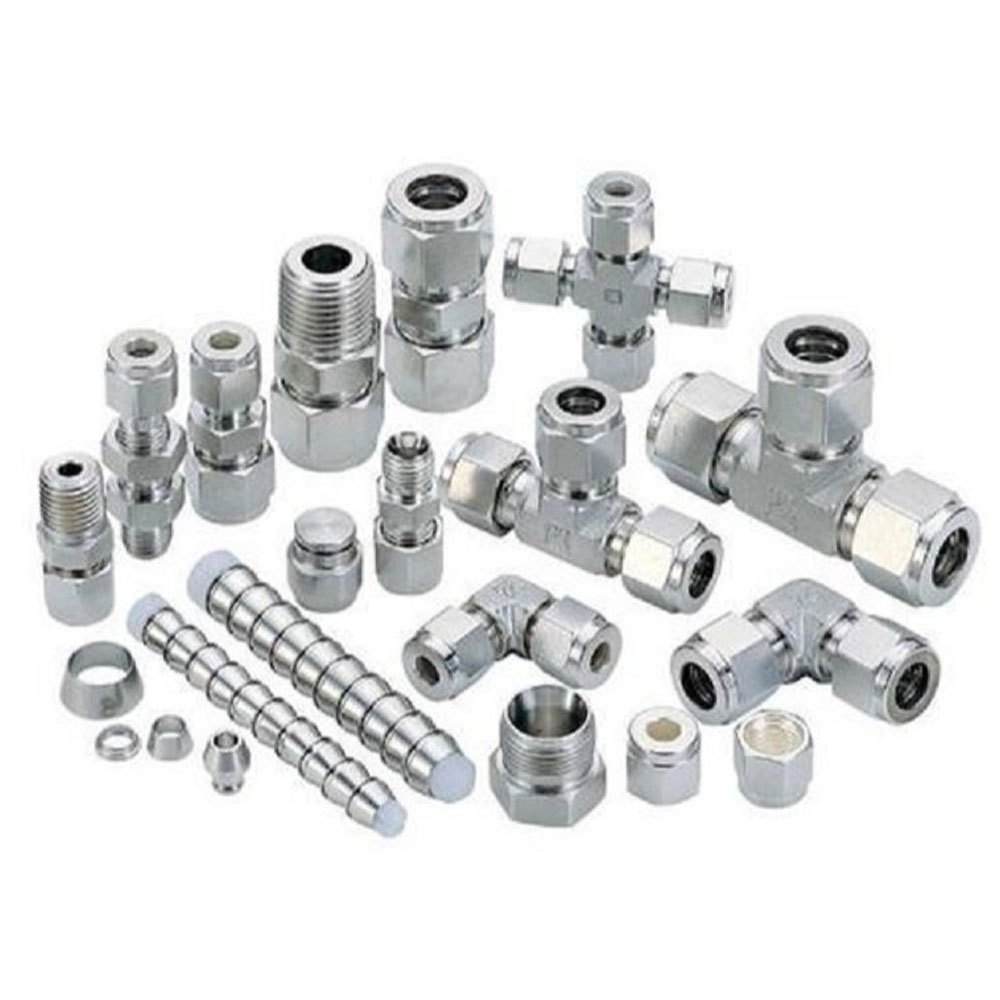
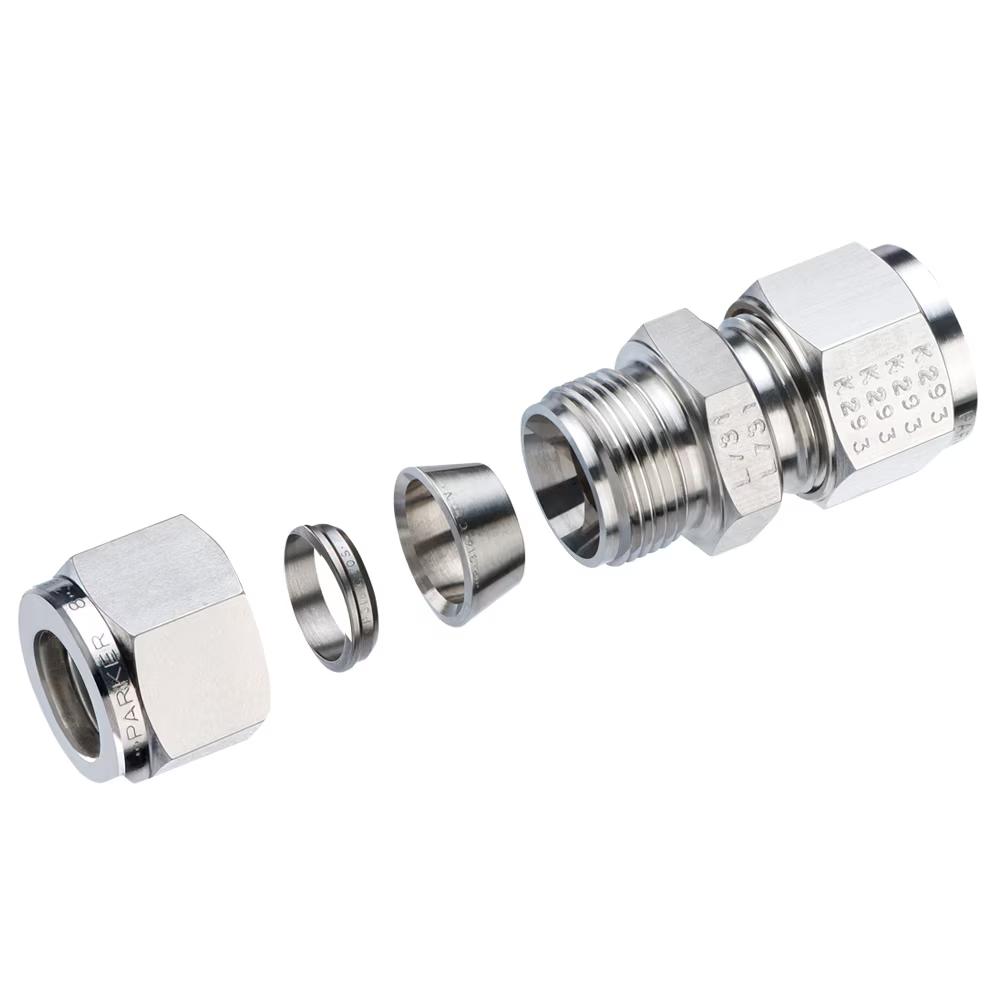
Versatile Connection Types and SizesChoose from various connection types such as compression tube fittings, threaded, socket weld, and butt weld ends. Standard sizing ranges from 1/16 to 2 inch OD, with custom dimensions available to meet unique project specifications. With a bright, annealed finish and leak-proof assurance, these fittings are designed to adapt to a wide spectrum of instrumentation and piping systems.
FAQ's of Hastelloy B2 Instrumentation Fittings:
Q: How do Hastelloy B2 Instrumentation Fittings perform in corrosive environments?
A: Hastelloy B2 Instrumentation Fittings are specifically designed to withstand highly corrosive conditions, offering excellent resistance to hydrochloric acid and various non-oxidizing acids. This makes them ideal for use in chemical processing and other industries where aggressive chemicals are present.
Q: What processes are used to achieve the fittings' leak-proof performance?
A: The fittings are engineered with precision compression tube connections and undergo rigorous surface treatment, including pickling and passivation, to ensure a smooth, contaminant-free surface and reliable sealing. This guarantees leak-tight connections even under high pressure up to 6000 PSI.
Q: When should I select Hastelloy B2 fittings over other alloys?
A: Choose Hastelloy B2 fittings when your application involves exposure to strong acids or when maximum corrosion resistance is required. They are particularly suitable for systems handling hydrochloric acid, abnormal temperatures up to 400C (752F), and environments demanding longevity and reliability.
Q: Where are these fittings most commonly used?
A: These fittings are extensively utilized in process instrumentation, chemical manufacturing, petrochemical plants, and high-corrosion piping systems. Their robust nature also makes them suitable for high-pressure and high-purity fluid transport in demanding industrial settings.
Q: What are the available shapes and end connections for these fittings?
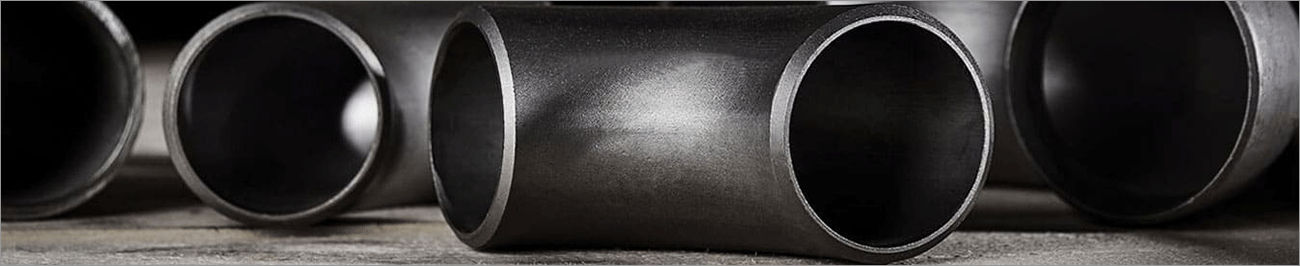
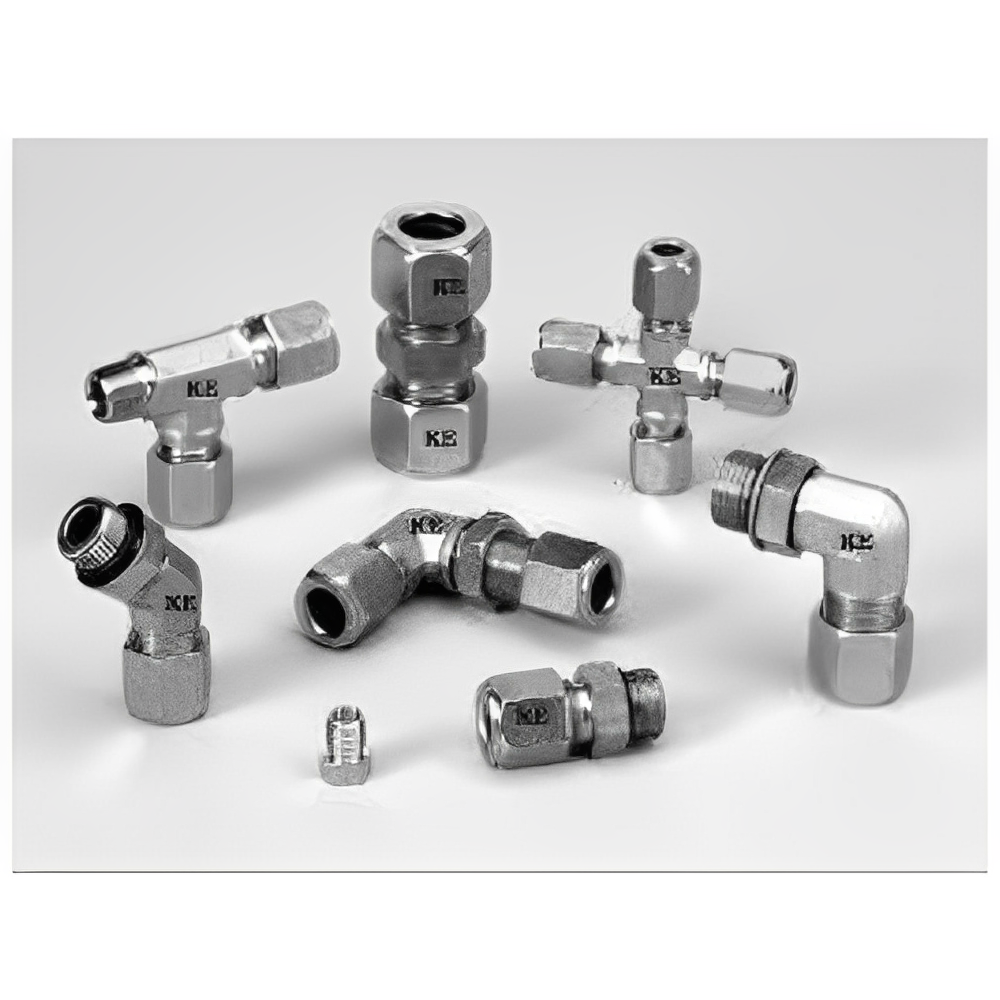
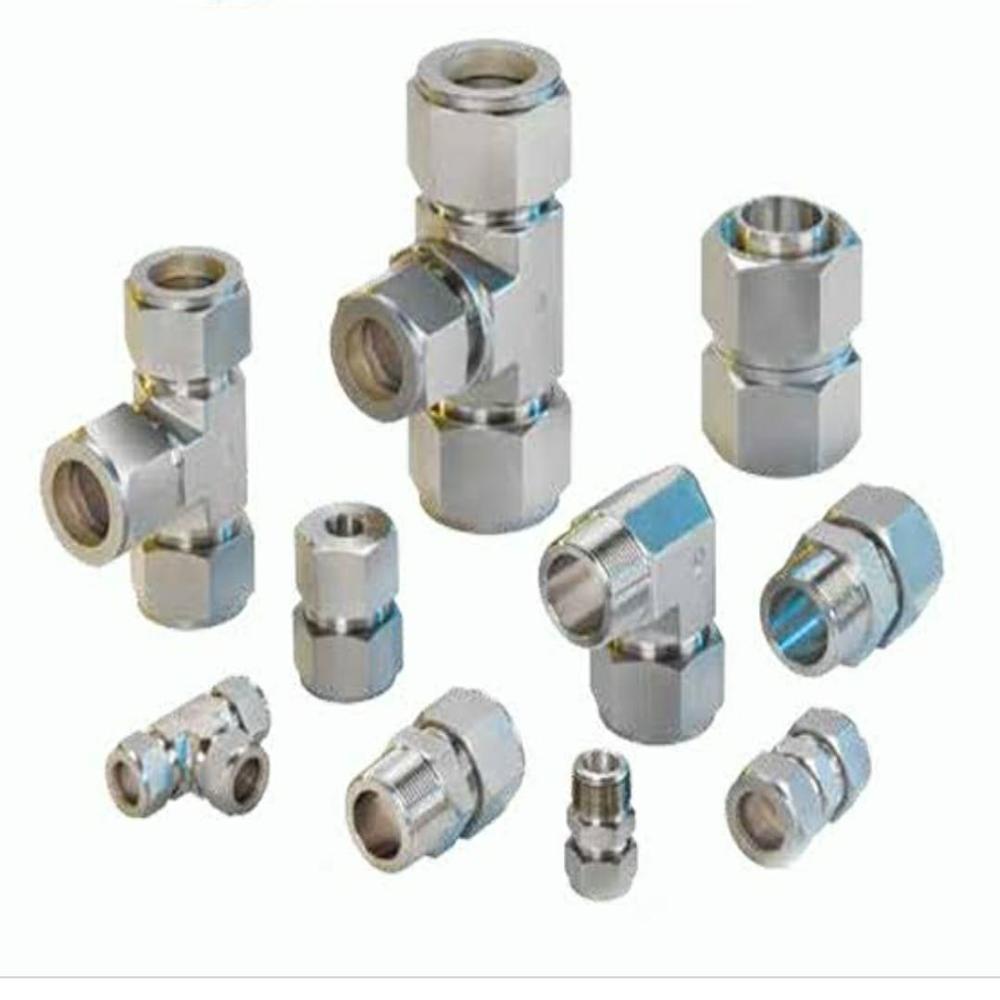
A: The fittings are offered in various shapes such as elbow, coupling, tee, cross, union, and adaptor. End connections include compression, threaded, socket weld, and butt weld, providing flexibility for different installation requirements.
Q: How does the material hardness and impurity content affect fitting performance?
A: With a maximum Rockwell B90 hardness and minimal impurity content (0.02% sulfur and carbon), Hastelloy B2 fittings deliver consistent mechanical strength and high corrosion resistance, ensuring dependable performance in critical applications.
Q: What benefits do custom sizes of Hastelloy B2 fittings provide?
A: Custom sizing ensures precise compatibility with unique piping and instrumentation layouts, reducing installation challenges and minimizing leak potential. This flexibility enhances system integrity across varied industrial environments.





 Send Inquiry


 Send Inquiry
 Send Inquiry
 Send SMS


