Hastelloy B3 Electrodes About
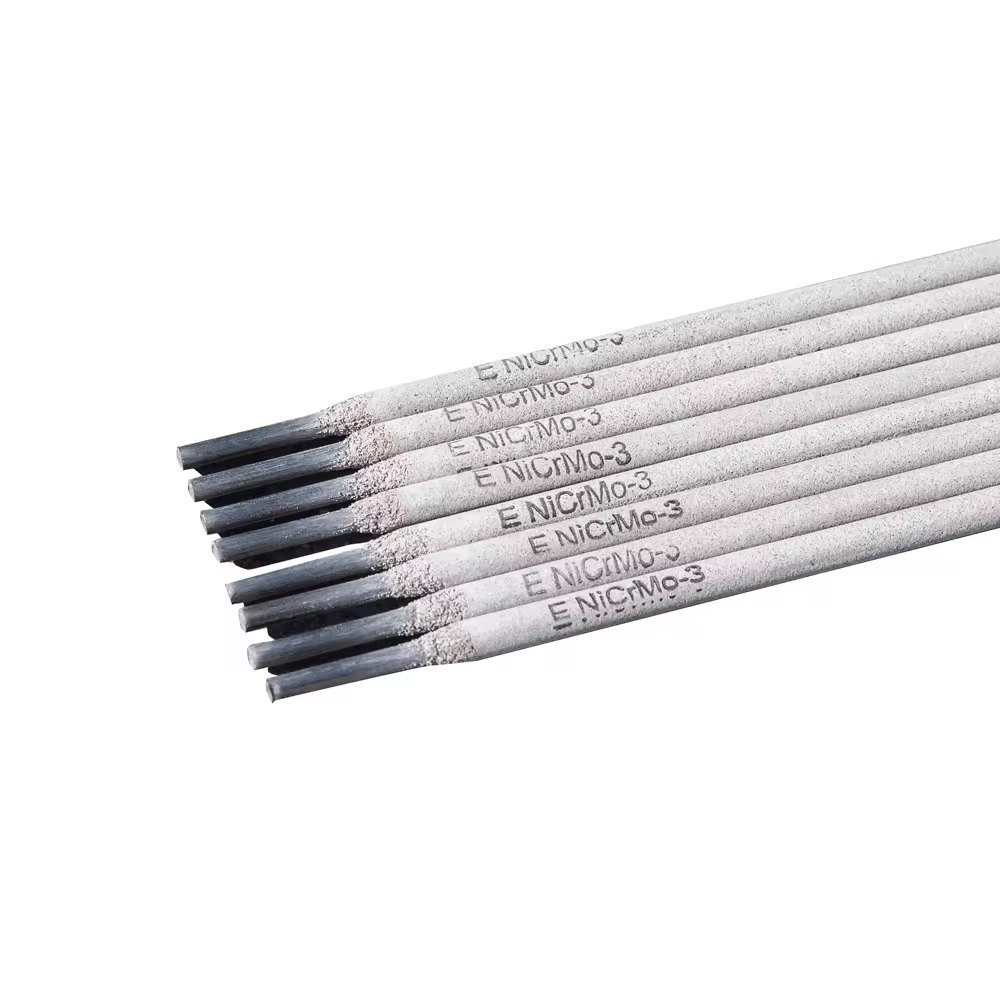
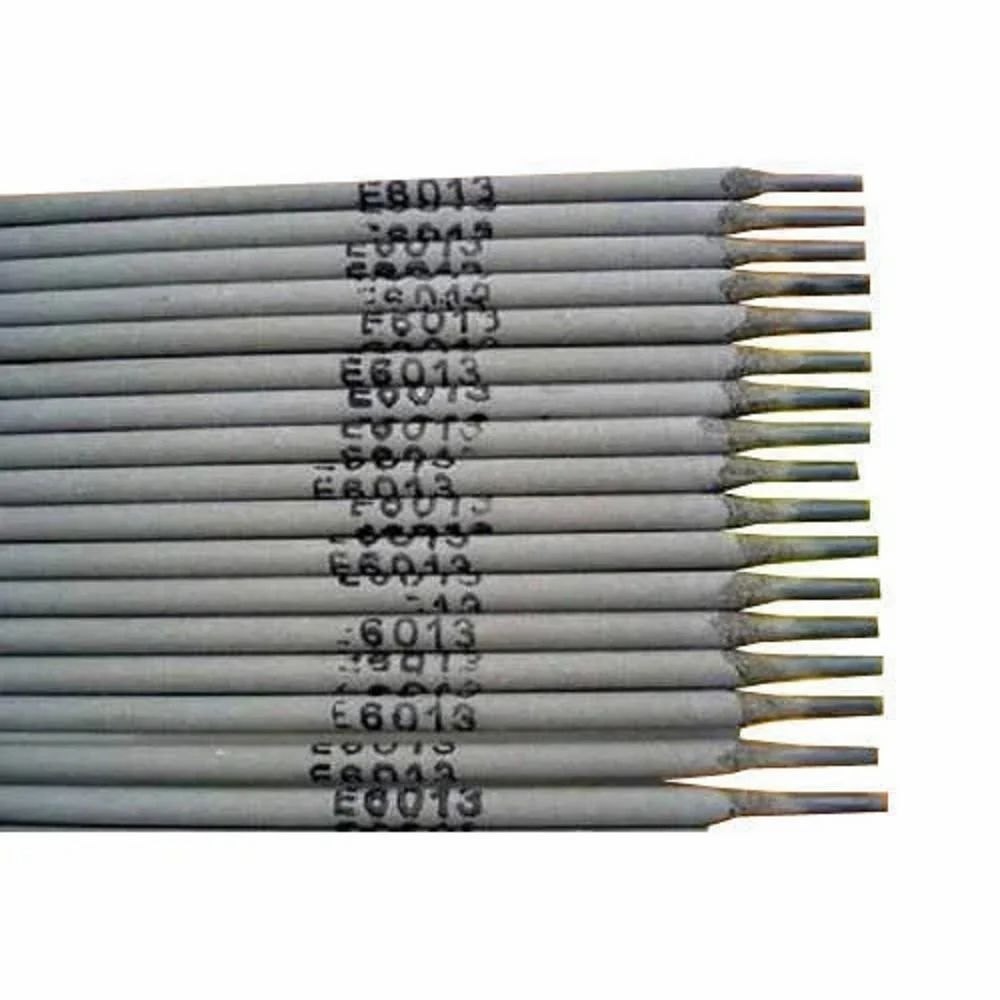
Hastelloy B3 electrodes are composed of an alloy that includes Niobium, Molybdenum, Iron and Chromium. This combination of elements creates a highly resistant material to corrosion in applications ranging from atmospheres with high levels of sulfur to hydrochloric acids. The Hastelloy B3 alloy can also withstand significant temperature changes without compromising its strength and is often used in low-stress welding operations for more challenging parts manufacturing. While the exact chemical composition can vary slightly based on different manufacturers, it offers excellent weldability for serious fabrication jobs across a wide range of temperatures. It makes B3 Hastelloy electrodes a reliable choice for many engineers.
Exceptional Corrosion ResistanceHastelloy B3 electrodes are meticulously engineered to withstand harsh chemical environments, particularly those containing hydrofluoric, sulfuric, and acetic acids. Their robust composition and low impurity content ensure the welds remain unaffected by pitting or stress corrosion cracking, even under aggressive industrial conditions.
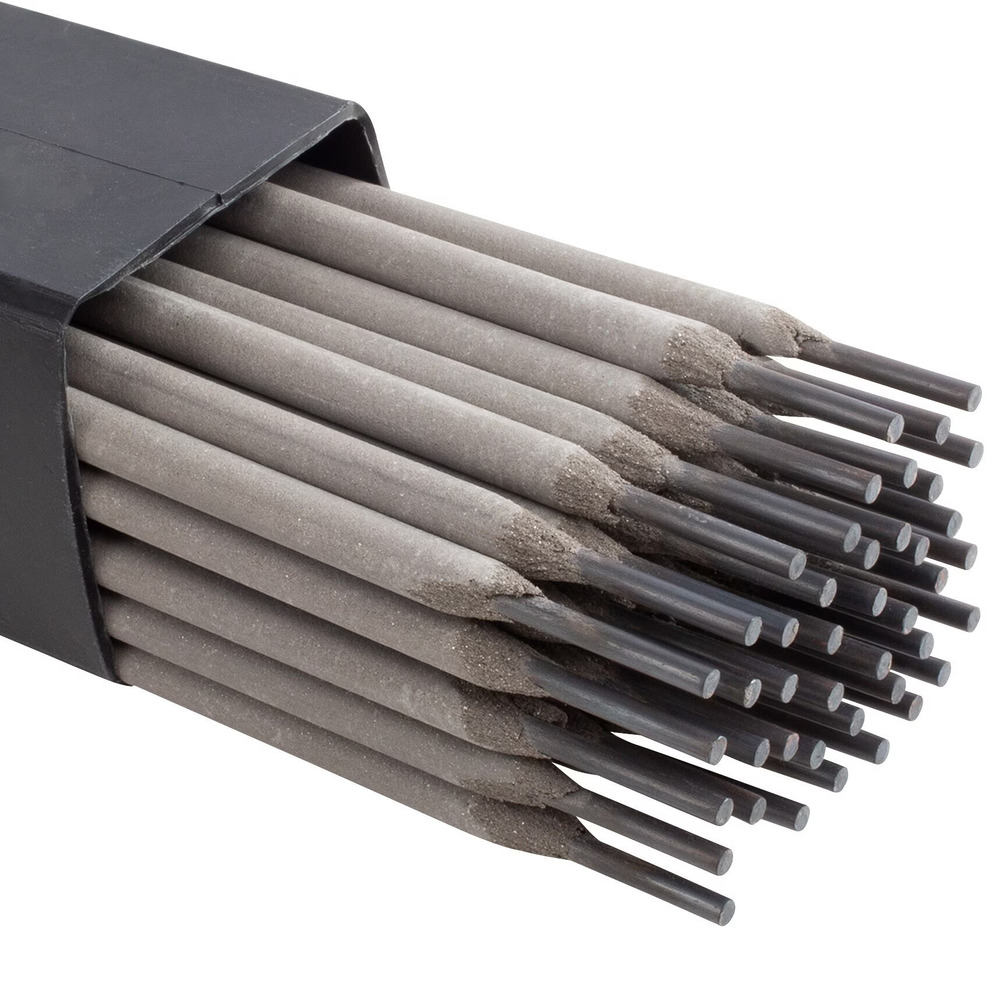
Versatile Welding PerformanceDesigned for both AC and DC current, these electrodes offer excellent weldability across various welding setups. The basic/low hydrogen coating helps minimize the risk of hydrogen-induced cracking, making them ideal for applications requiring high-quality, durable joints in nickel-molybdenum alloy structures.
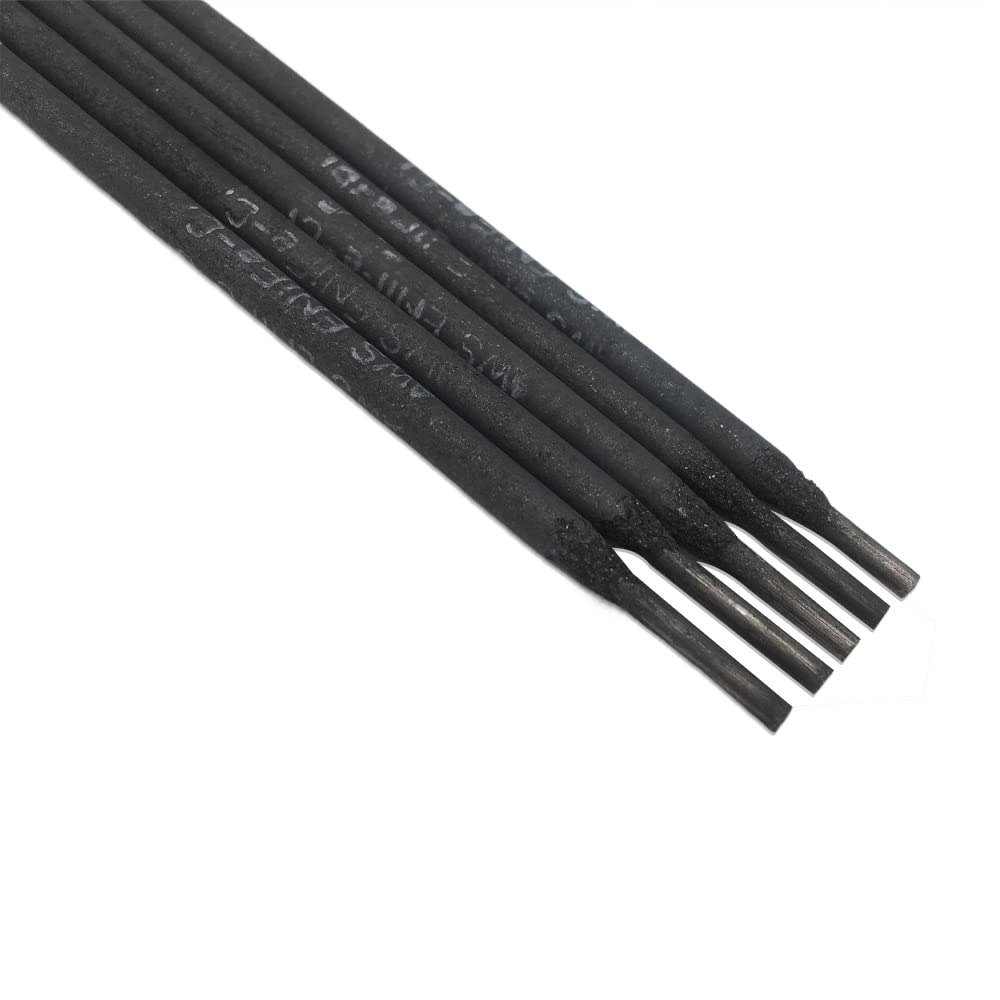
Practical Handling and PackagingTo maintain their integrity and performance, Hastelloy B3 electrodes are supplied in securely boxed or vacuum-sealed packs. Always store them in a dry, room-temperature environment to ensure optimal results, and choose from multiple sizes to suit your project requirements.
FAQ's of Hastelloy B3 Electrodes:
Q: How should Hastelloy B3 electrodes be stored before use?
A: Hastelloy B3 electrodes must be kept dry and stored at room temperature. For optimal preservation, they are supplied boxed or in vacuum-sealed packaging, which protects them against moisture and contaminants.
Q: What types of applications are suitable for Hastelloy B3 electrodes?
A: These electrodes are ideal for welding Hastelloy B3 and similar nickel-molybdenum alloys, especially in industries exposed to highly corrosive acids, including the chemical processing, petrochemical, and pharmaceutical sectors.
Q: When is it advantageous to use Hastelloy B3 electrodes?
A: It is beneficial to use Hastelloy B3 electrodes when high resistance to pitting, stress corrosion cracking, and strong acidic environments is essential. This makes them preferable for critical repairs and fabrication projects in harsh chemical service.
Q: Where can Hastelloy B3 electrodes be purchased?
A: Hastelloy B3 electrodes are available from leading exporters, importers, manufacturers, suppliers, and traders specializing in premium welding alloys and industrial materials.
Q: What is the process for welding with Hastelloy B3 electrodes?
A: The electrodes can be used with standard arc welding techniques on both AC and DC currents. Ensure the rods are clean and free from moisture before welding. Use the recommended size and current settings for optimal performance.
Q: What are the main benefits of using Hastelloy B3 electrodes over other welding rods?
A: Their high molybdenum content, low levels of carbon and impurities, and excellent corrosion resistance provide superior longevity and weld quality in corrosive environments, reducing maintenance and extending service life.
Q: How can the correct electrode size be chosen for my project?
A: Electrode diameters range from 2.5 mm to 5.0 mm and lengths from 300 mm to 450 mm. Select the size based on your specific welding application, base metal thickness, and joint design for best results.





 Send Inquiry


 Send Inquiry
 Send Inquiry
 Send SMS


