Hastelloy C4 Plates About
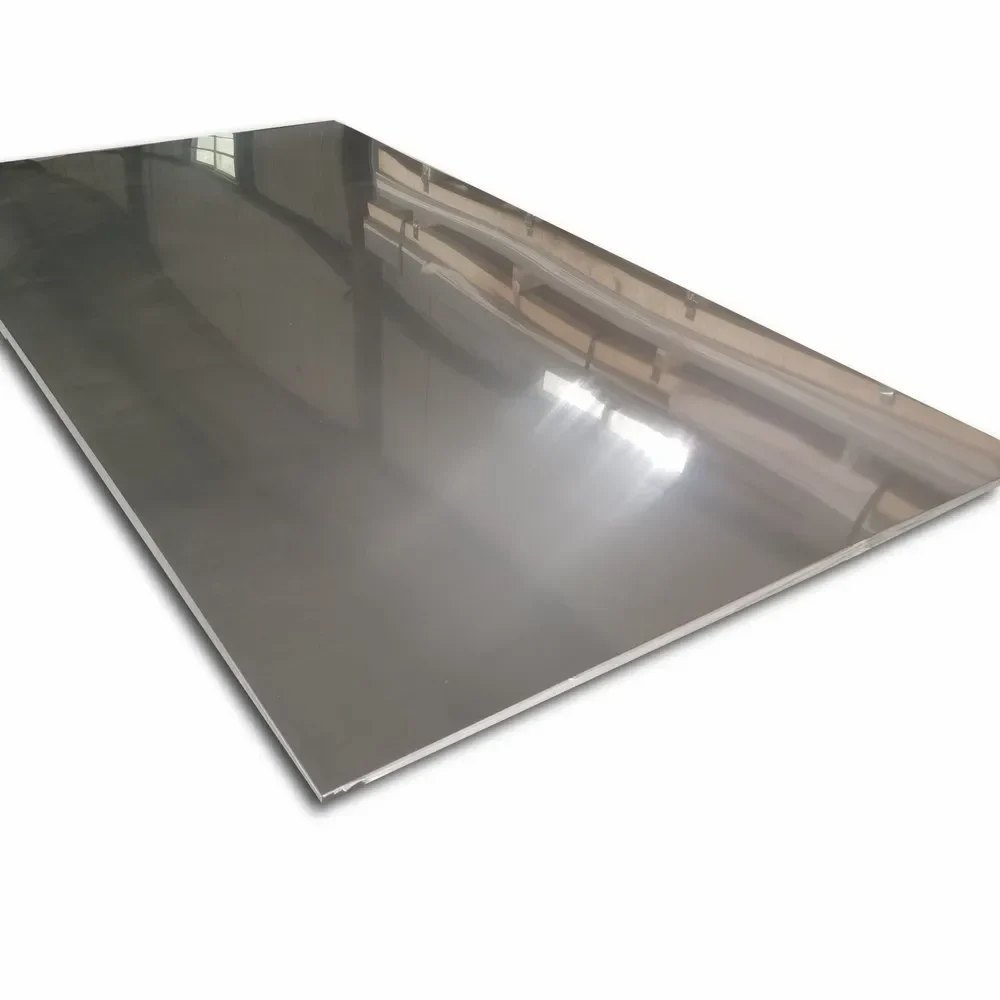
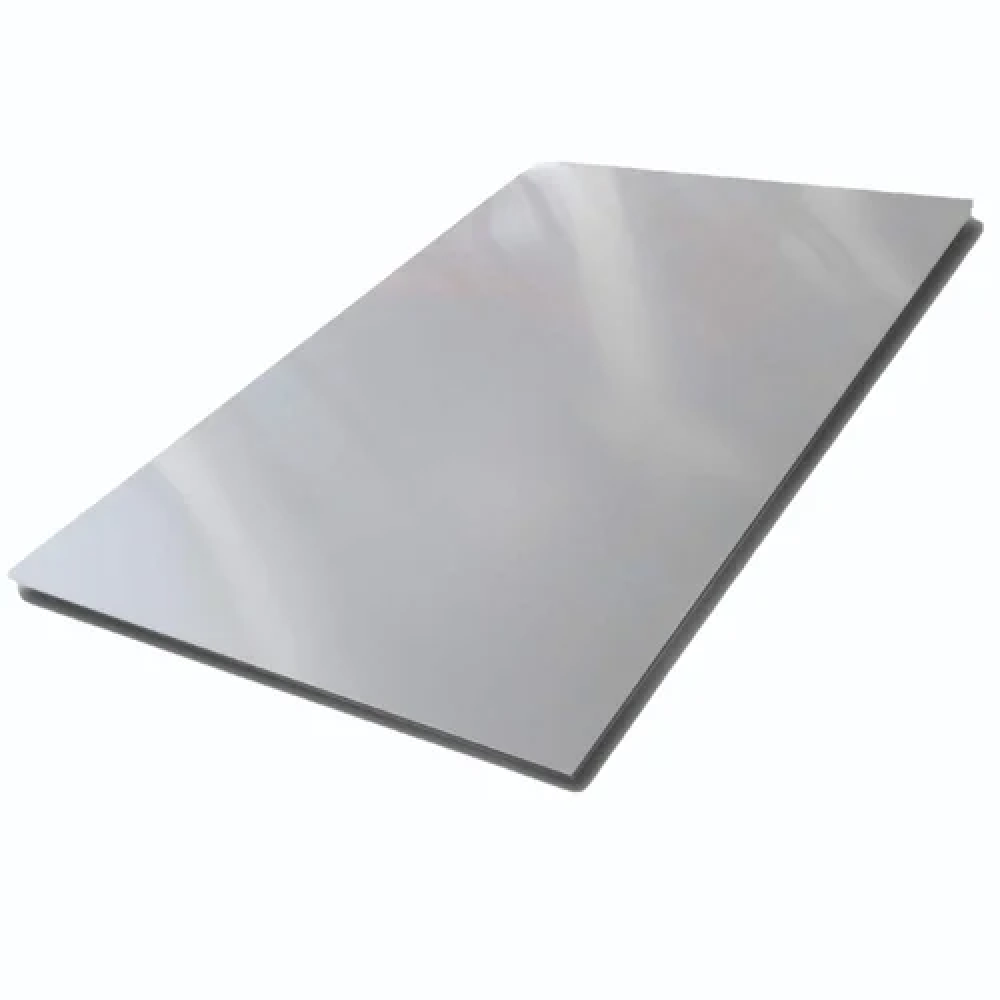
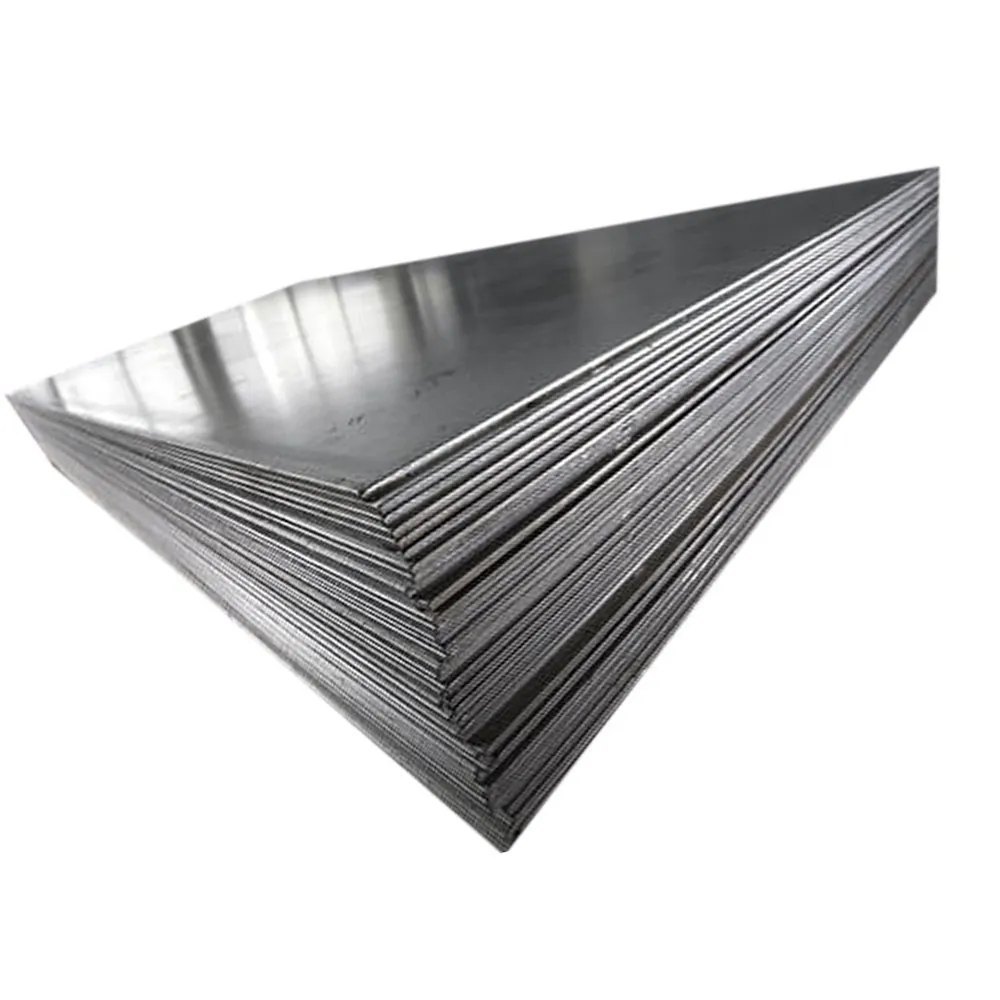
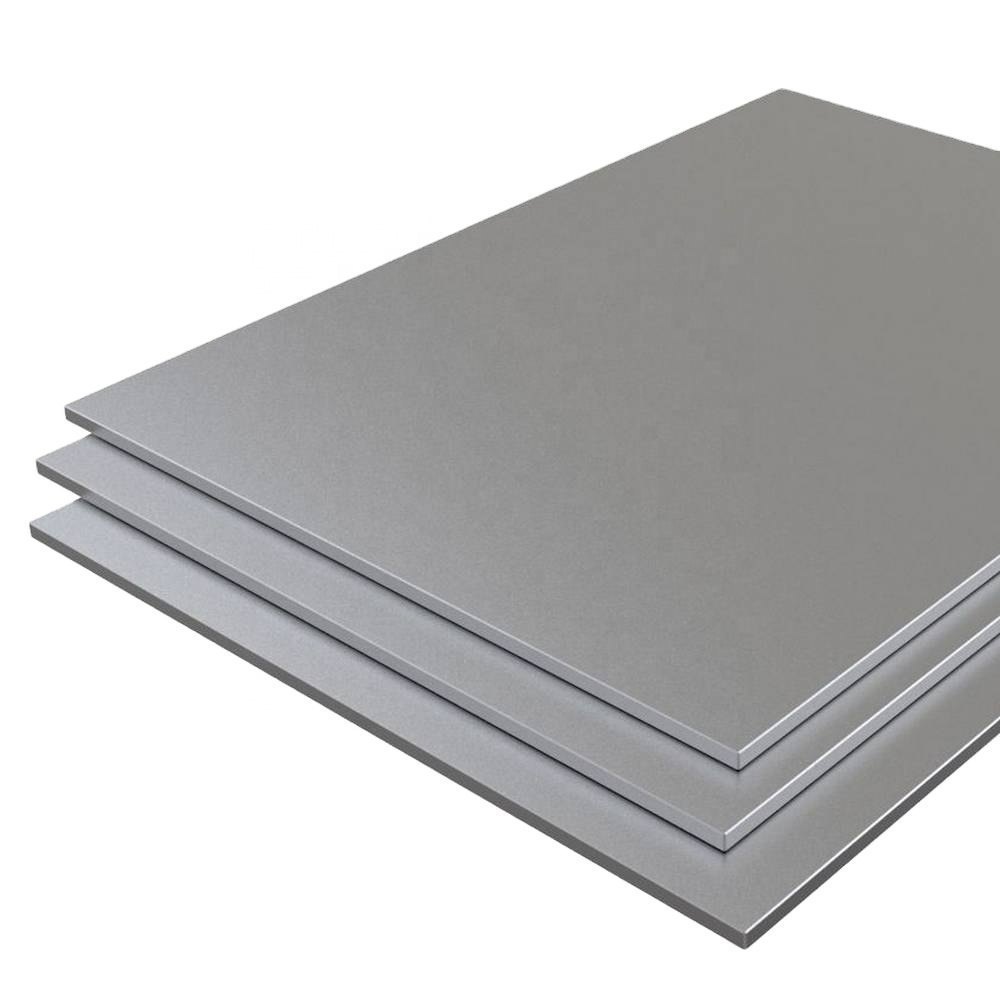
Hastelloy C4 plates are a versatile nickel-chromium-molybdenum alloy known for their exceptional resistance to a wide range of corrosive environments, particularly at elevated temperatures. Their superior resistance to aggressive acids, including hydrochloric and sulfuric acid, combined with its excellent weldability and formability, makes it a preferred material for equipment such as heat exchangers, reactors, and piping systems. These plates offer long-term durability and reliability in extreme operating conditions.
Superior Resistance in Harsh EnvironmentsHastelloy C4 Plates deliver exceptional resistance against both oxidizing and reducing agents, making them ideal for complex chemical processing environments. Their advanced metallurgical composition ensures minimal degradation even at temperatures reaching 1040C (1900F), which allows for reliable operation in high-stress applications such as nuclear fuel reprocessing and power generation.
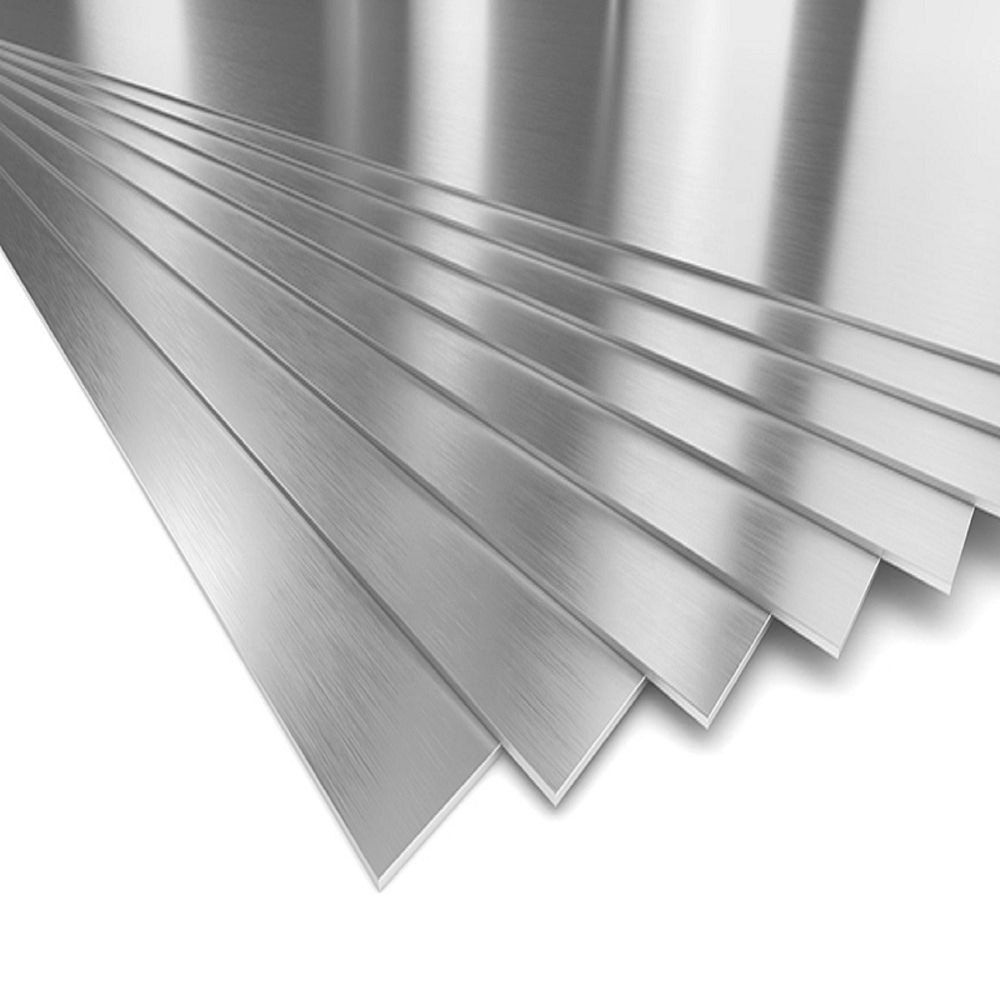
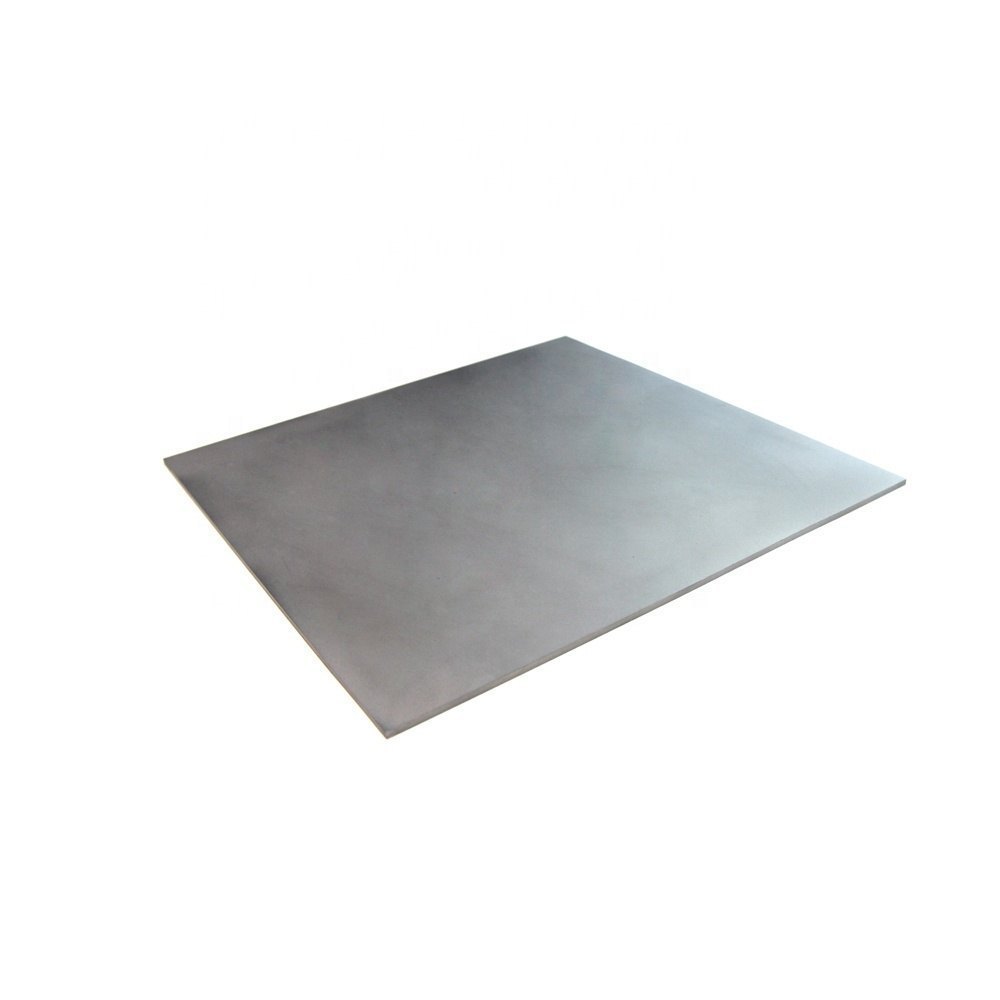
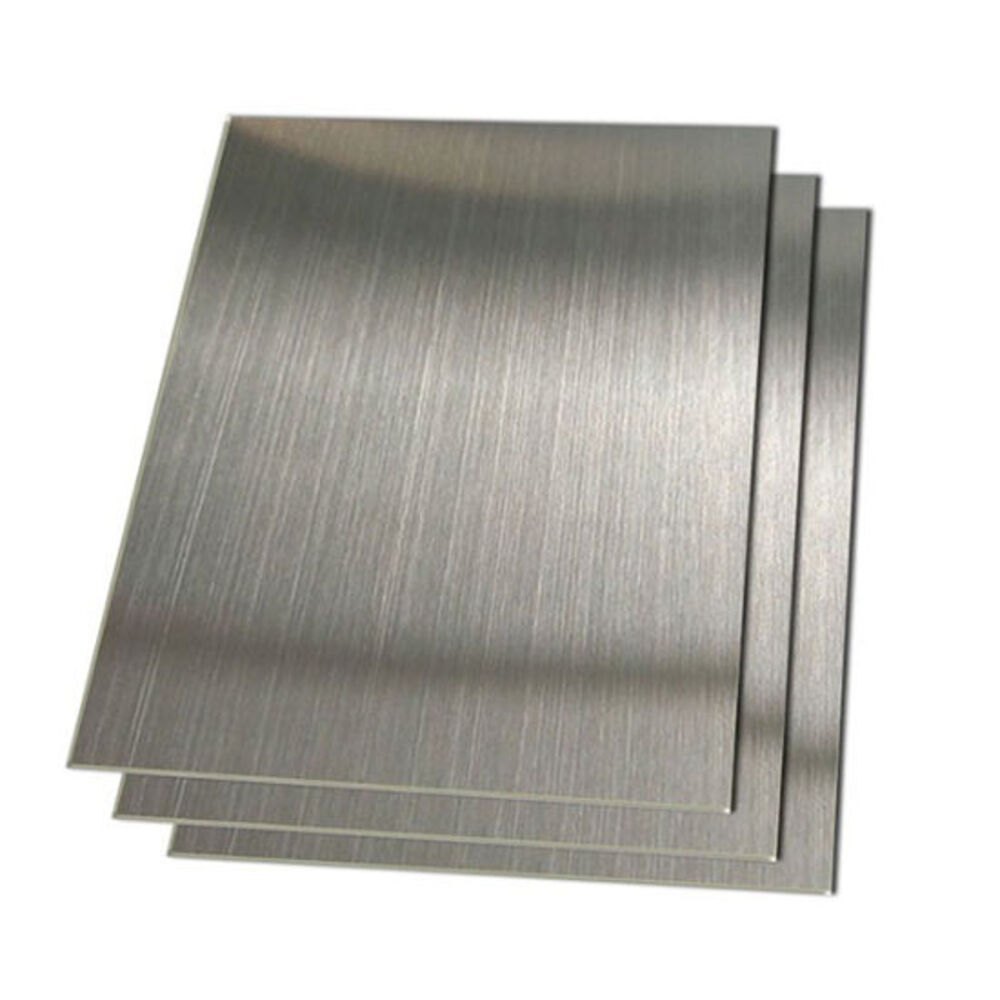
Versatile Surface Finishes and Custom DimensionsAvailable in a range of surface finishes including Bright, 2B, BA, No.1, No.4, and Matte, Hastelloy C4 Plates cater to aesthetic and functional prerequisites. Sizing is highly customizable to meet specific project requirements, with thickness from 0.5 mm to 50 mm and width up to 2500 mm, ensuring flexibility for both standard and unique industrial applications.
FAQ's of Hastelloy C4 Plates:
Q: How can Hastelloy C4 Plates be utilized in chemical and petrochemical industries?
A: Hastelloy C4 Plates are highly valued in chemical and petrochemical industries due to their excellent resistance to corrosive media, including both oxidizing and reducing acids. They are widely used for constructing reactors, heat exchangers, and vessels where robust performance and safety are critical.
Q: What process is used to manufacture Hastelloy C4 Plates to ensure consistent quality?
A: These plates are manufactured in compliance with ASTM B575 standards, employing advanced melting, hot rolling, and annealing techniques. The surface finish-Bright, 2B, BA, No.1, No.4, or Matte-is achieved through precise mechanical or chemical processing to suit varied industrial needs.
Q: When is it recommended to choose Hastelloy C4 Plates over other alloy plates?
A: You should opt for Hastelloy C4 Plates when your application demands superior corrosion resistance, particularly in environments containing strong acids, chlorides, or high-temperature oxidizing agents. Their resilience makes them ideal for challenging sectors such as nuclear fuel reprocessing and power generation.
Q: Where can custom-sized Hastelloy C4 Plates be sourced for specialized projects?
A: Custom-sized Hastelloy C4 Plates are available via reputable suppliers, exporters, and manufacturers specializing in high-performance alloys. Providers can tailor dimensions, thickness, and edge requirements (mill, slit, or sheared) to align with specific application needs.
Q: What are the main benefits of using Hastelloy C4 Plates for high-temperature applications?
A: Their ability to withstand temperatures up to 1040C (1900F) without significant loss of mechanical properties, as well as resistance to stress corrosion cracking, ensures Hastelloy C4 Plates maintain structural integrity under thermal stress, providing safety and longevity to critical processes.
Q: How does the mechanical strength of Hastelloy C4 Plates contribute to industrial reliability?
A: With a minimum tensile strength of 690 MPa and yield strength of at least 276 MPa, coupled with a minimum elongation of 40%, Hastelloy C4 Plates offer both strength and ductility. This mechanical reliability supports demanding industrial tasks where both durability and formability are vital.





 Send Inquiry


 Send Inquiry
 Send Inquiry
 Send SMS


