Inconel 617 Instrumentation Fittings About
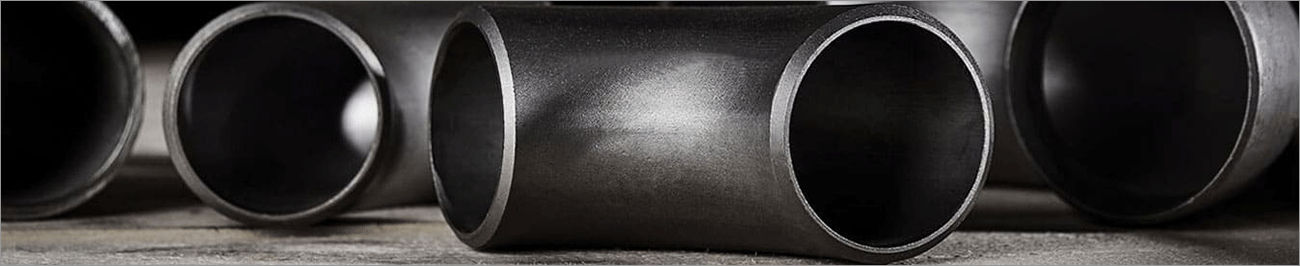
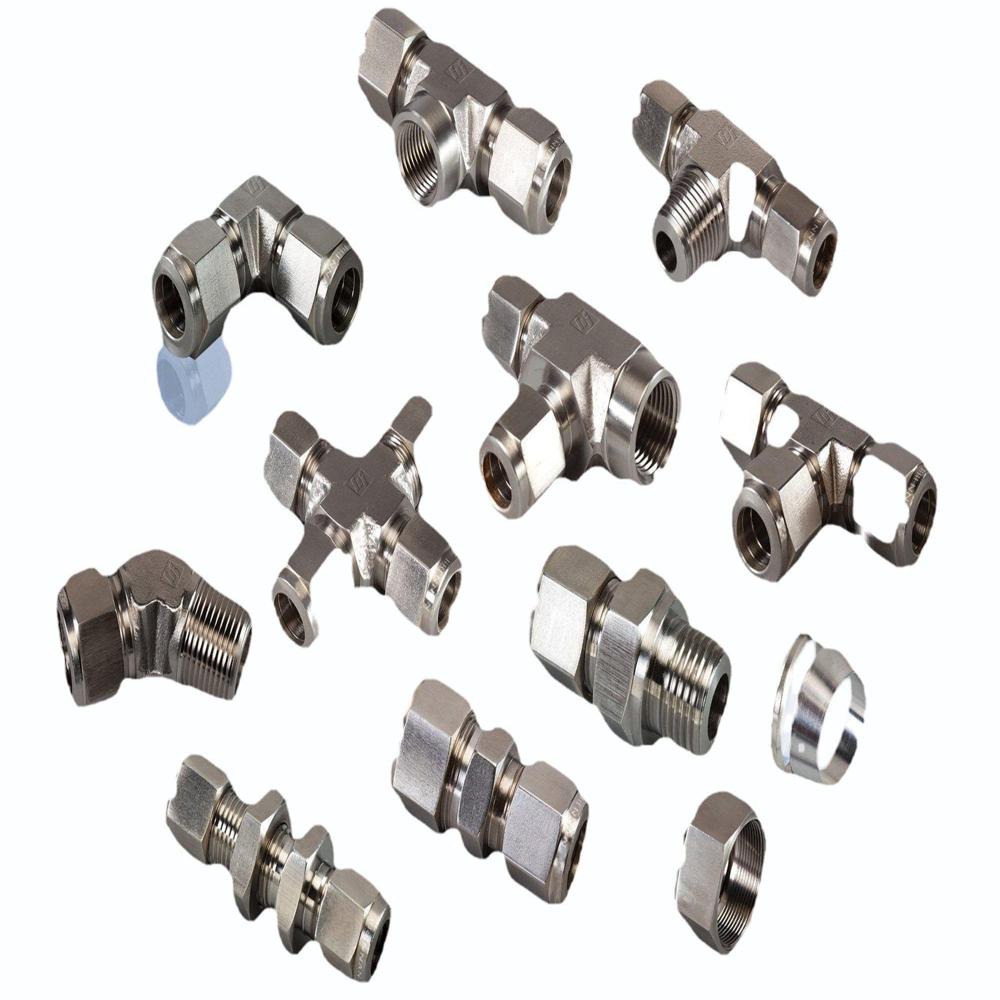
inconel 617 Instrumentation Fittings have a composition that consists of nickel, chromium, iron, and molybdenum. These provide the fittings with excellent oxidation and corrosion resistance even in harsh environments; they are especially suitable for nuclear-powered vessels. Additionally, these fittings have good strength retention over a wide range of temperatures and offer improved thermal shock resistance relative to other alloys. Although Inconel 617 Instrumentation Fittings may be expensive due to their special properties, they can well pay for themselves in terms of savings from reduced maintenance costs. In conclusion, it's clear why this particular alloy of instrumentation fittings is considered such an effective choice for use in challenging environments.
Superior Material PerformanceConstructed from Inconel 617, these fittings deliver outstanding mechanical strength and corrosion resistance, even at elevated temperatures. The nickel-based superalloy's unique composition makes it suitable for aggressive environments, where oxidation and carburization protection are critical. This ensures reliability and longevity in vital system connections.
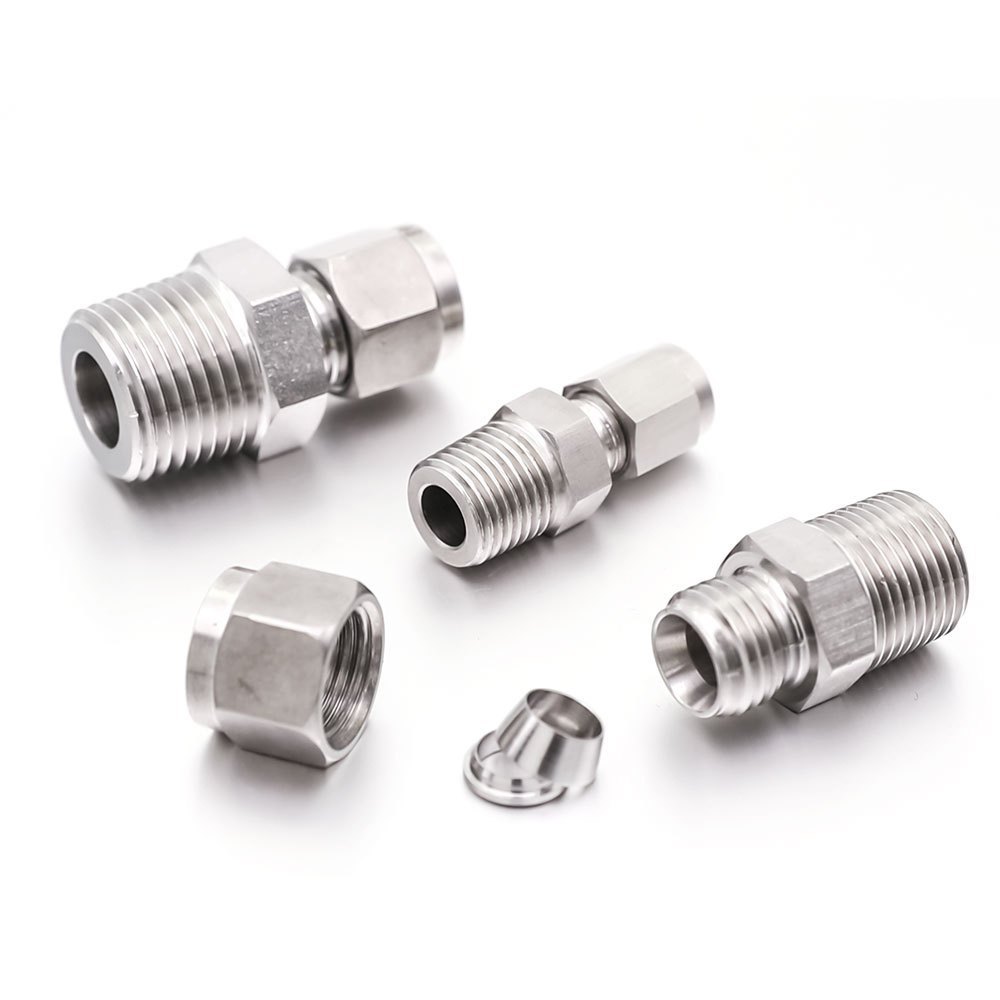
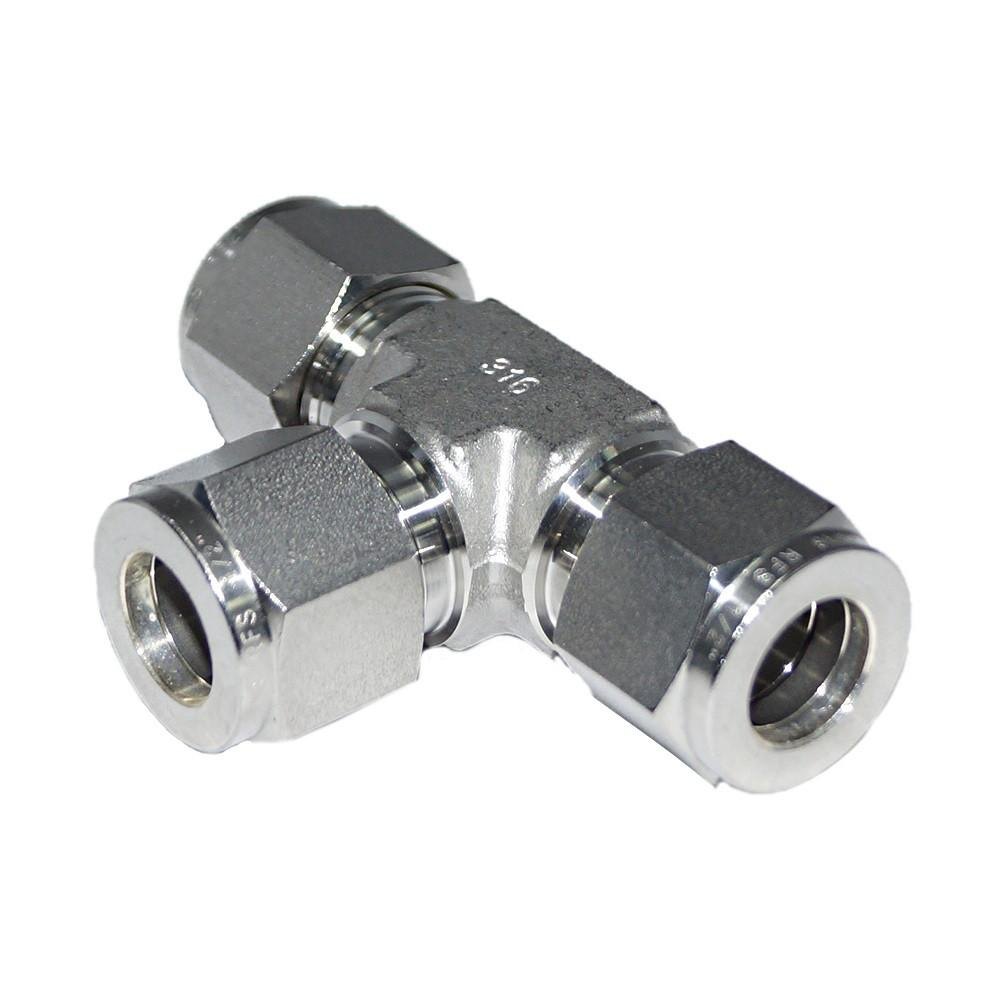
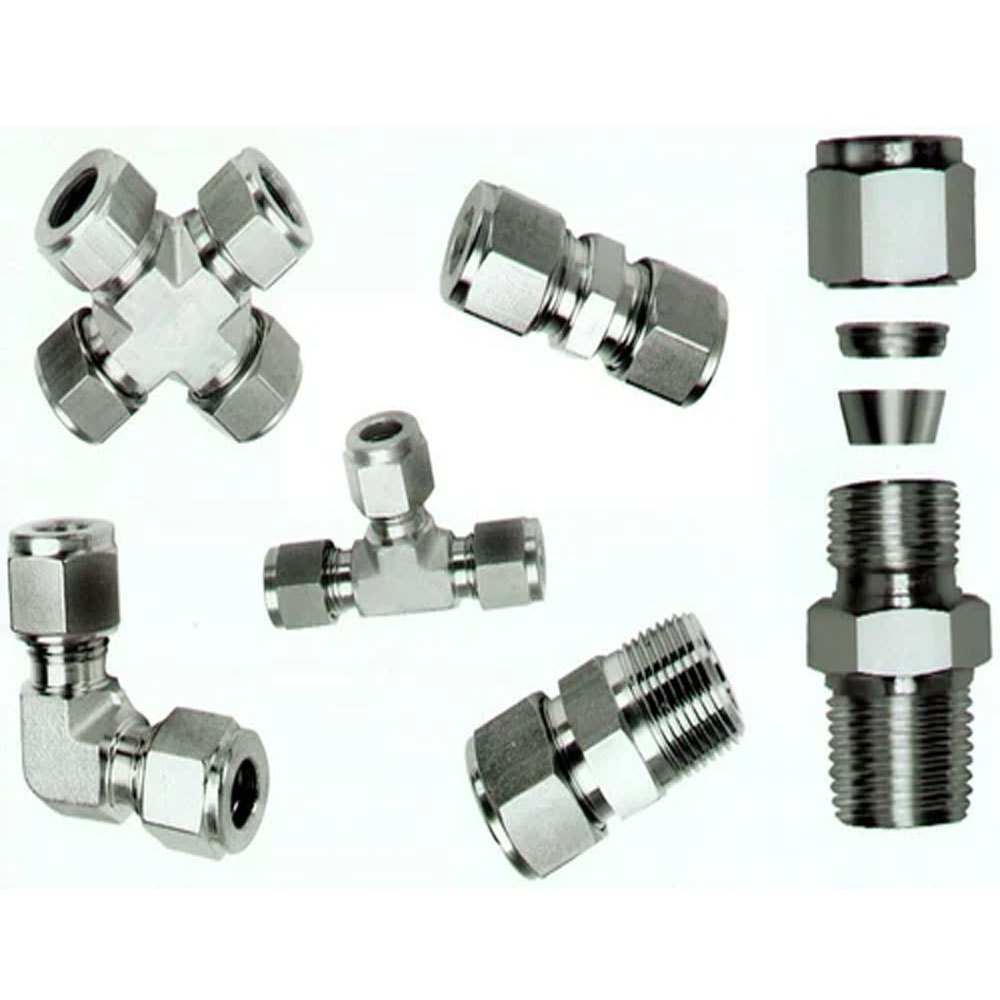
Versatile Connection and Application RangeThe fittings are available in male, female, tube-to-tube, and various compression formats, accommodating NPT, BSPT, and BSPP threads. Designed for pressures up to 6000 psi, they cover a wide size range from 1/8 to 2-inch OD. With choices of threaded, welded, and compression end connections, these products fit instrumentation, hydraulics, pneumatics, and process lines in diverse industries.
Precision Manufacturing and TestingEvery fitting is machined to tight tolerances (as close as 0.05 mm), surface treated for enhanced durability, and undergoes rigorous hydrostatic and pneumatic testing. Manufactured under international standards, they are delivered in protective packaging to ensure integrity during shipment. OEM and tailored solutions are available to address unique project requirements.
FAQ's of Inconel 617 Instrumentation Fittings:
Q: What benefits does Inconel 617 offer for instrumentation fittings compared to other materials?
A: Inconel 617 provides exceptional high-temperature strength and unparalleled resistance to oxidation and carburization, making it ideal for harsh, high-heat environments. This ensures the longevity and reliability of your instrumentation and process lines, even under severe service conditions.
Q: How are these fittings tested for reliability and safety?
A: Each fitting undergoes comprehensive hydrostatic and pneumatic testing to ensure structural integrity and leak-proof operation under pressure. These procedures adhere to international standards such as ASTM B366 and DIN, certifying their suitability for demanding applications.
Q: When should I choose Inconel 617 fittings over standard stainless steel or brass options?
A: Select Inconel 617 fittings for applications requiring resistance to extreme temperatures (up to 1000C), aggressive chemical exposure, or environments prone to oxidation and carburization. They are ideal for oil & gas, petrochemicals, and power generation where such conditions are common.
Q: How can I use Inconel 617 fittings in custom systems or non-standard dimensions?
A: Custom dimensions, thicknesses, and forms can be supplied upon request, with OEM service available. You can provide your specifications or application requirements for tailored fittings that perfectly match your system's needs.
Q: What types of connections and end finishes are available for these fittings?
A: Inconel 617 instrumentation fittings are offered in male, female, tube-to-tube, tube-to-male, and various other connection types. End options include threaded (NPT, BSPT, BSPP), welded, and compression fittings, all with smooth, precision-machined finishes.
Q: Where are Inconel 617 fittings typically used?
A: These fittings are commonly used in instrumentation lines, hydraulic and pneumatic systems, oil & gas processing, petrochemical plants, and power generation facilities, where extreme temperature, pressure, or corrosive environments are present.
Q: What packaging and surface treatment options are provided?
A: Fittings are delivered in sealed plastic and carton boxes, or per the customer's specific requirements, to ensure safe transport. Each fitting receives polished and passivated surface treatment, enhancing corrosion resistance and maintaining a high-quality appearance.





 Send Inquiry


 Send Inquiry
 Send Inquiry
 Send SMS
 Call Me Free


