Inconel 686 Bolts About
Inconel 686 Bolts have a unique chemical composition vastly different from many of the other stainless steel alloys used in bolts. Inconel 686 contains nickel, molybdenum, and chromium, with the highest content being nickel at an impressive 63%. These bolts also contain 15%-17.5% chromium for resistance to oxidation and 3%-4.5% molybdenum, providing further corrosion resistance. This relatively high nickel content means that
Inconel Bolts are handy for applications that involve harsh oxidizing environments and constant exposure to higher temperatures. Furthermore, combining these three elements gives this alloy strength even up to temperatures as high as 1300 F. Because of their properties and composition, Inconel 686 Bolts are the perfect choice for any demanding usage or environment.
Exceptional Material PropertiesInconel 686 bolts are crafted from a nickel-chromium-molybdenum superalloy known for excellent mechanical strength, high-temperature stability, and remarkable corrosion resistance. The non-magnetic nature, minimal yield strength of 310 MPa, and elongation of at least 35% define these bolts as a premium choice for critical environments.
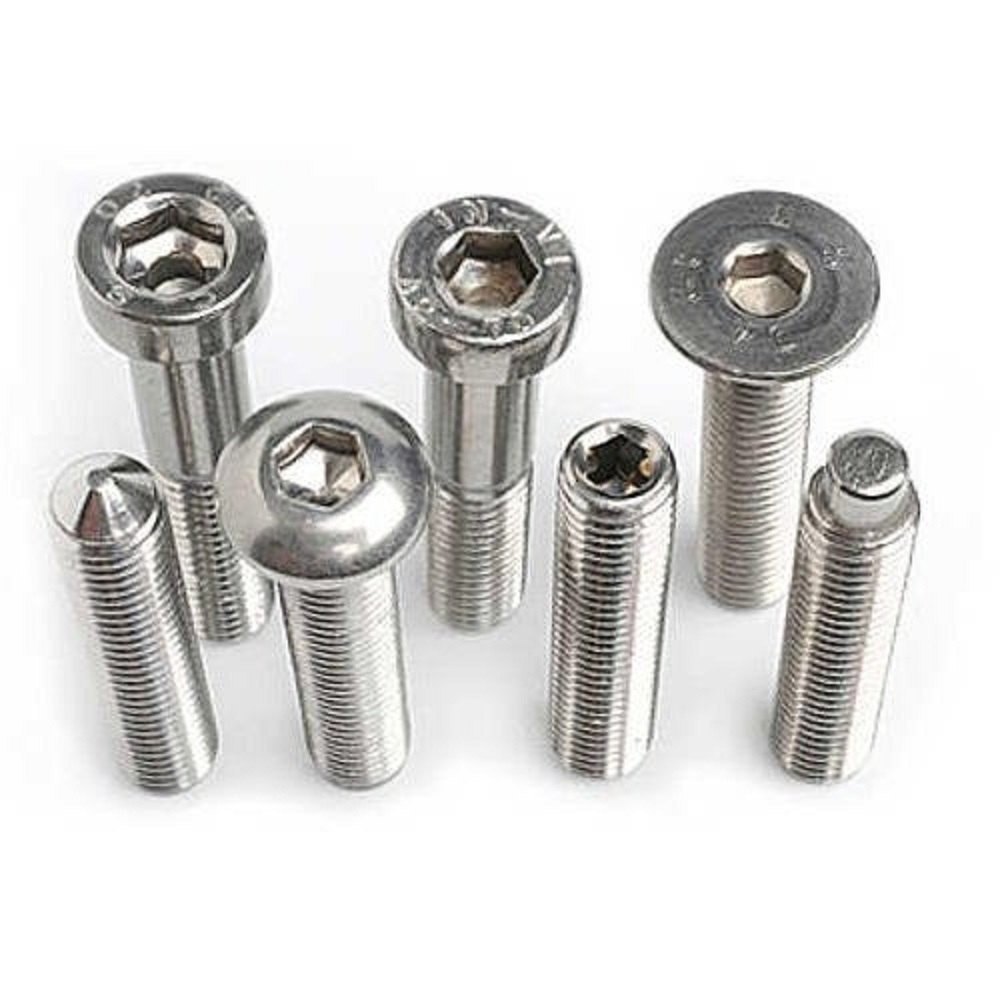
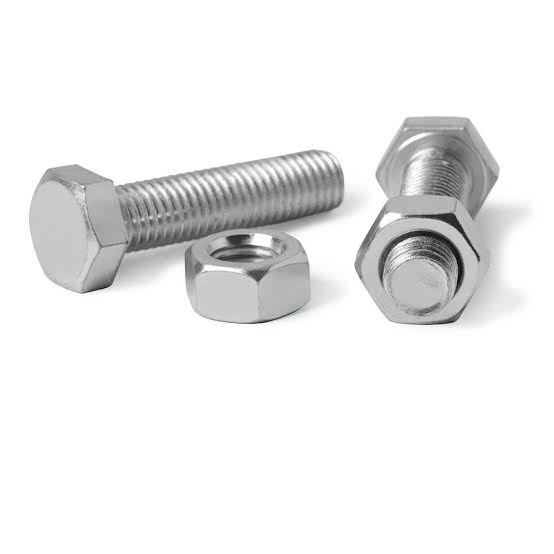
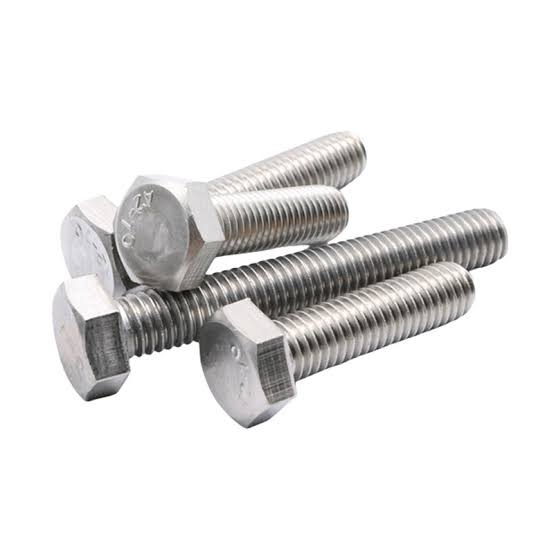
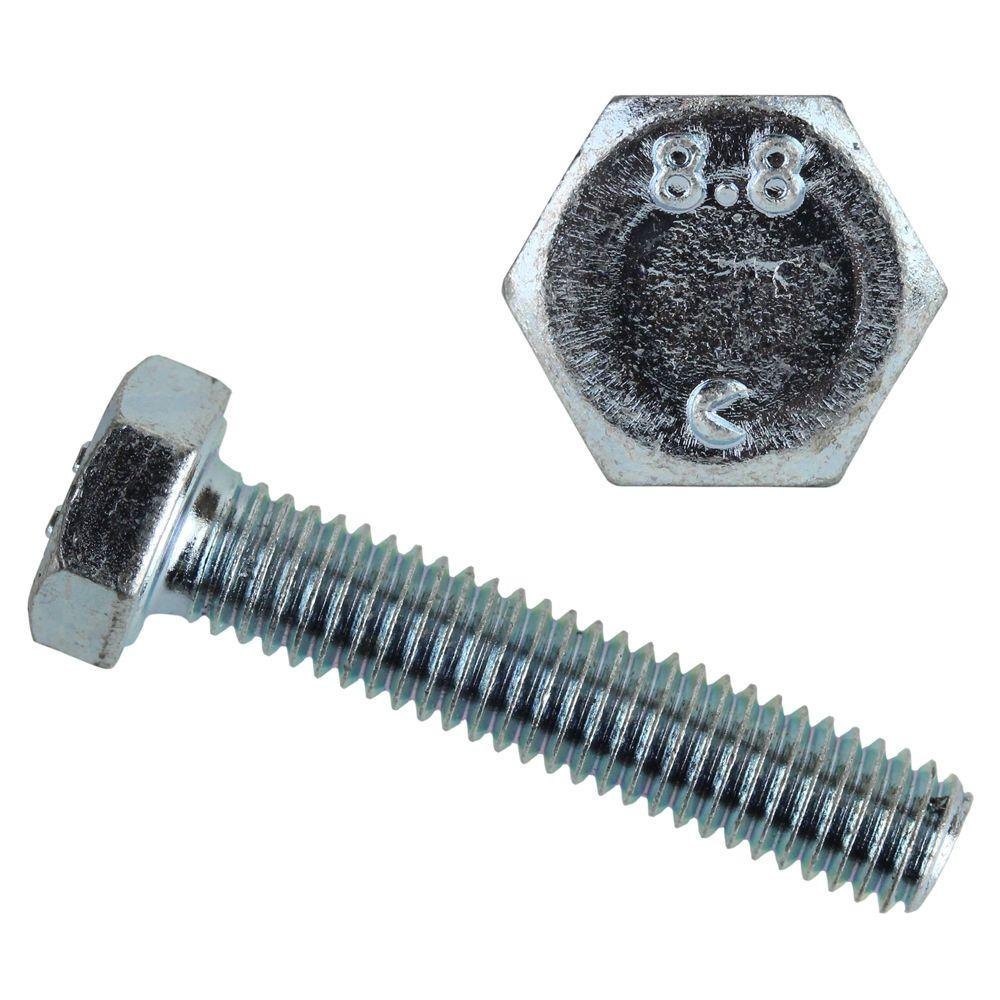
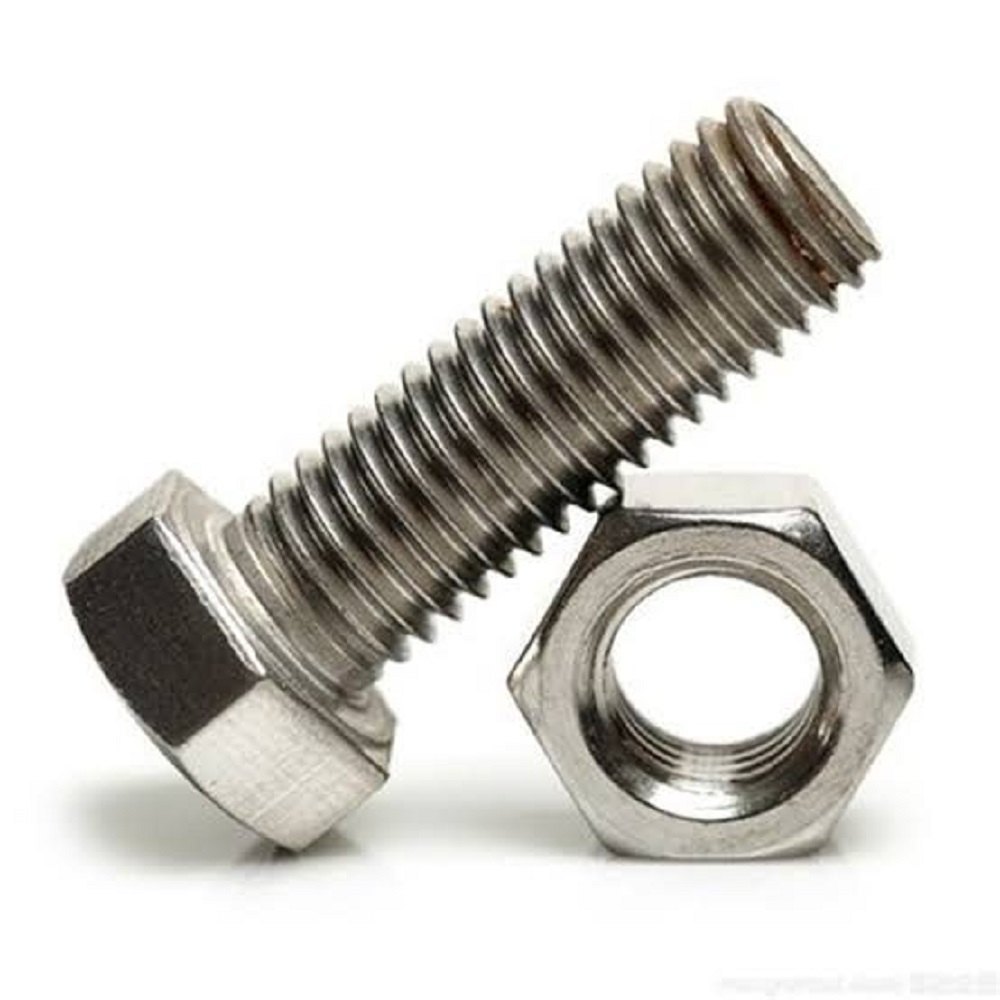
Versatile Design and CustomizationWith thread sizes ranging from M3 to M56 or 3/6" to 2", along with diverse thread types such as Metric, UNC, UNF, BSW, and custom options, these bolts are designed to meet a wide range of technical requirements. Available head styles include hex, socket head cap, button, flat, and custom shapes. Surface finishes can be tailored, including bright, matt, mirror, zinc-plated, and more.
Widely Trusted ApplicationsInconel 686 bolts are extensively utilized in industries demanding high reliability such as chemical processing, marine, oil & gas, aerospace, and power generation. Their superb resistance to aggressive environments ensures long-term durability, making them an exceptional investment for critical assemblies.
FAQ's of Inconel 686 Bolts:
Q: How can Inconel 686 bolts enhance equipment performance in corrosive environments?
A: Inconel 686 bolts exhibit outstanding corrosion resistance in both oxidizing and reducing media due to their nickel-chromium-molybdenum composition. This ensures consistent performance and longevity in harsh chemical, marine, and industrial environments.
Q: What is the standard manufacturing process for Inconel 686 bolts?
A: These bolts are typically manufactured by forging, machining, or cold forming, followed by heat treatment and surface finishing such as passivation or zinc plating. This process ensures precise tolerances and optimal mechanical properties.
Q: When should Inconel 686 bolts be chosen over standard stainless steel fasteners?
A: They should be selected for applications involving extreme temperatures up to 1000C (1832F), high mechanical loads, and exposure to aggressive chemicals where standard stainless steels may fail or corrode rapidly.
Q: Where are Inconel 686 bolts most commonly applied?
A: These bolts are prominently used in chemical processing plants, oil & gas platforms, marine vessels, aerospace components, and power generation facilities, where superior corrosion and temperature resistance are critical.
Q: What are the available thread types and sizes for Inconel 686 bolts?
A: Inconel 686 bolts are available with a variety of threads including Metric, UNC, UNF, BSW, and custom threads. Thread sizes range from M3 to M56 or 3/6" to 2", with custom options as needed.
Q: How are Inconel 686 bolts beneficial for high-temperature applications?
A: Their ability to maintain mechanical strength and stability at elevated temperatures up to 1000C (1832F) makes them ideal for demanding environments where heat resistance is essential.
Q: What standards and specifications govern the production of Inconel 686 bolts?
A: The bolts are produced to multiple standards, including ASTM B574, ASME SB574, DIN, ISO, and JIS specifications, ensuring global compatibility, quality assurance, and repeatable performance.





 Send Inquiry


 Send Inquiry
 Send Inquiry
 Send SMS
 Call Me Free


