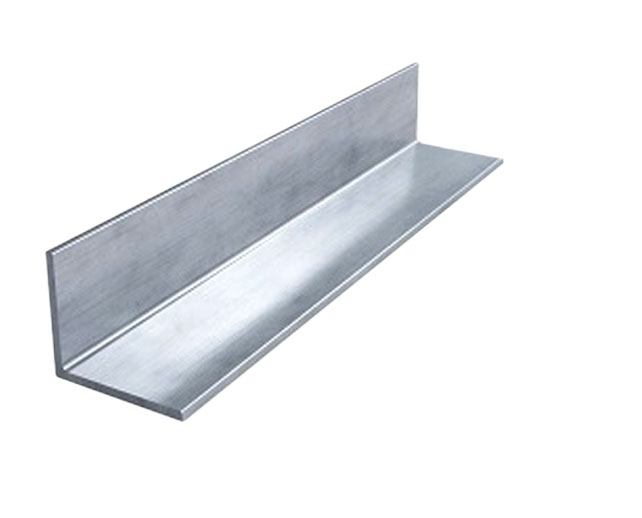
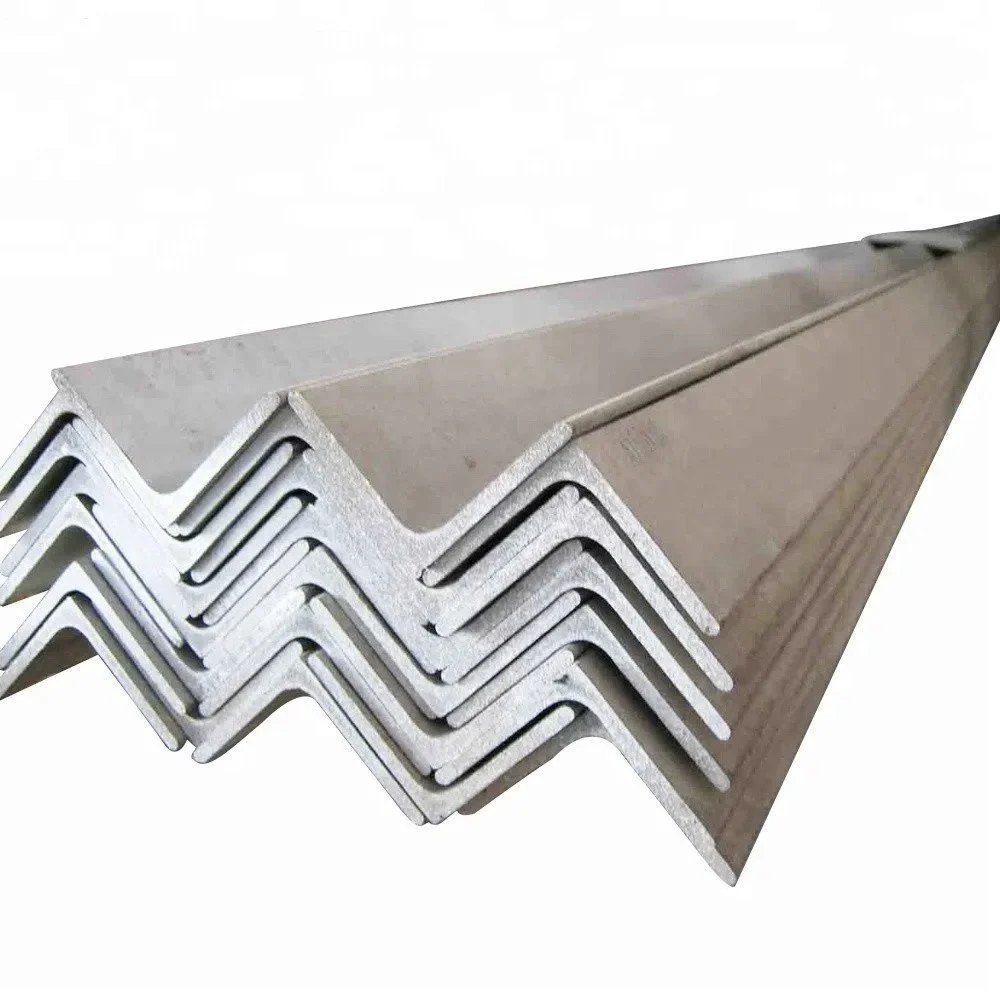
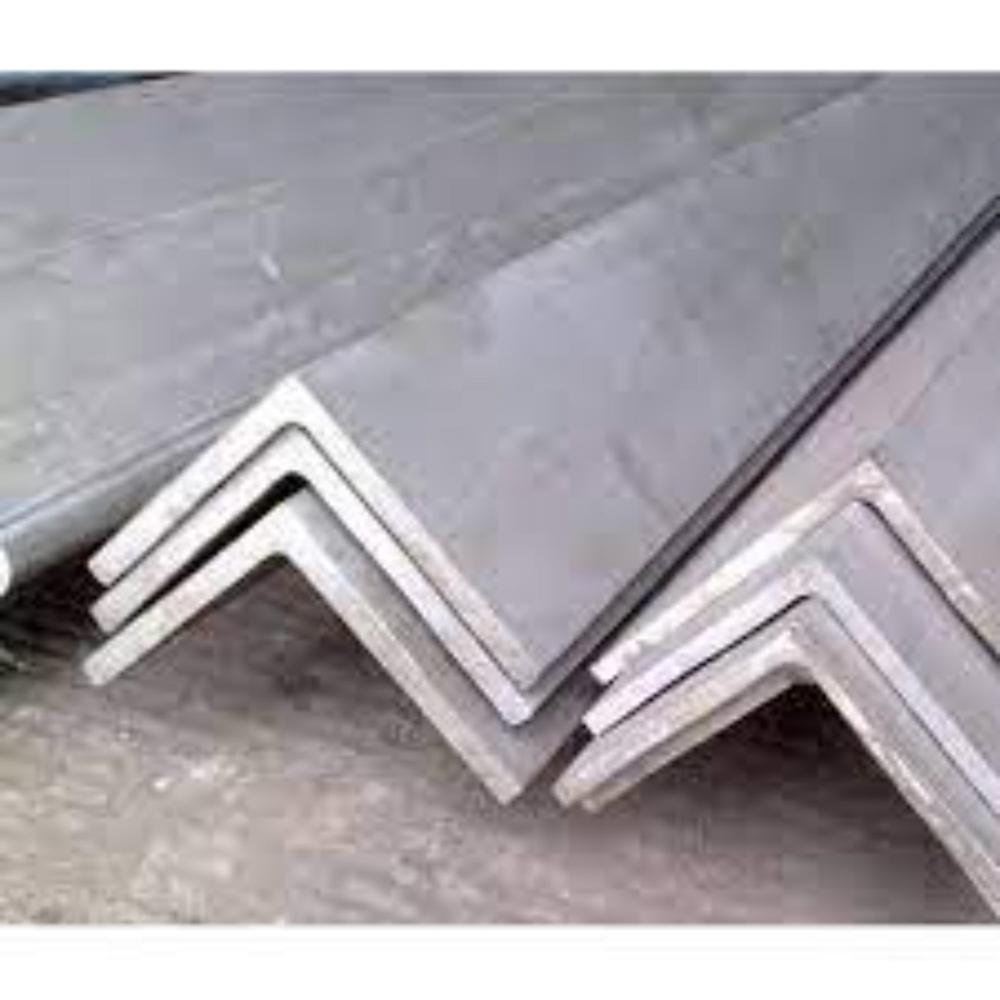
Monel K500 Angle About
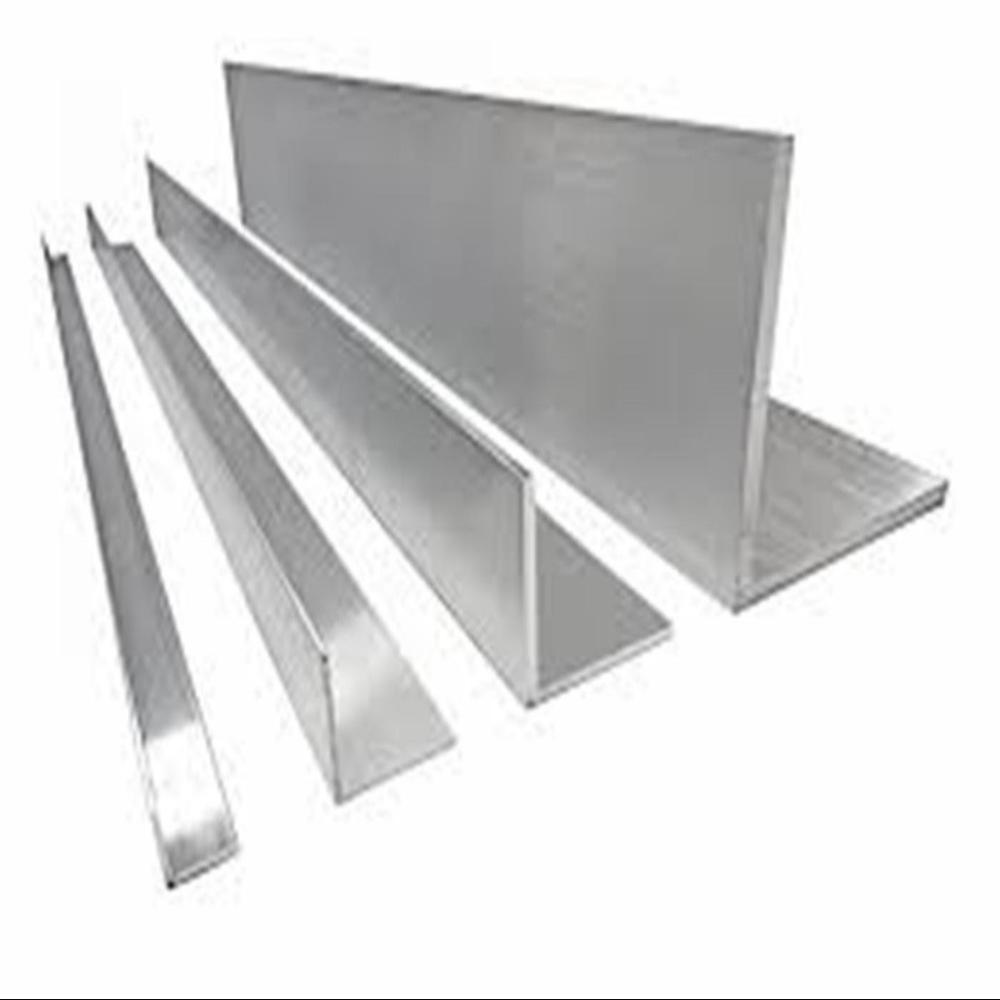
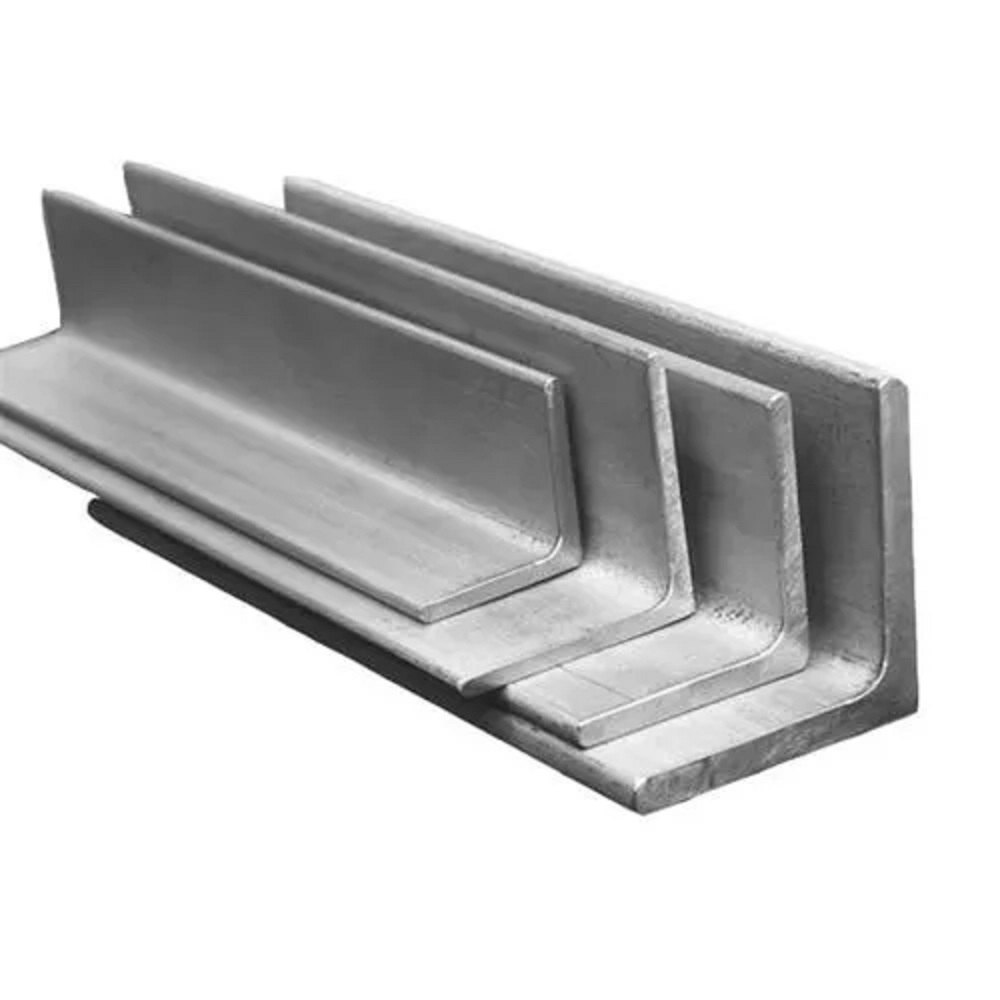
Monel Angles are manufactured from Monel, a nickel-copper alloy well known for its strength and ability to withstand harsh conditions. Monel 400 and Monel K500 are used where strength is needed, the material has to be resistant to oxidation, and it must be used under severe conditions. Due to these characteristics, Monel angles are widely used in marine engineering, chemical processing, and other fields where performance and durability are critical. Monel's properties are all incorporated so that these angles can work under a high stress and aggressive environment.
Superior Corrosion ResistanceMonel K500 Angle excels in environments where corrosion is a significant concern, such as marine, chemical, and acidic settings. Its unique nickel-copper composition, supplemented by aluminum and titanium, enhances both its resistance to rust and its mechanical strength, providing long-term durability for structures exposed to harsh operating conditions.
Mechanical Strength and VersatilityWith a yield strength of 790 MPa and ultimate tensile strength exceeding 1100 MPa, Monel K500 Angle delivers remarkable robustness for demanding load-bearing applications. Its elongation of 20% allows for flexibility, while machinability and weldability support versatile fabrication processes tailored to specific project requirements.
Customizable Dimensions and FinishesManufactured to ASTM B865 and ASME SB865 standards, Monel K500 Angles are available in a variety of thicknesses, widths, and lengths up to 6000 mm. Finish options such as mill, brushed, polished, and edge configurations like straight, welded, or seamless, ensure that every application receives a product suitable to its precise needs.
FAQ's of Monel K500 Angle:
Q: How does Monel K500 Angle withstand marine and chemical environments?
A: Monel K500 Angle's composition, predominantly nickel and copper with added aluminum and titanium, provides exceptional resistance to corrosion and pitting in marine, chemical, and acidic atmospheres, making it ideal for exposed structural applications.
Q: What finishing options are available for Monel K500 Angle?
A: Available finishes include mill, brushed, polished, pickled, or bright surfaces, and edge types can be straight, welded, or seamless, giving flexibility based on project aesthetics and technical demands.
Q: When should Monel K500 Angle be chosen over other alloys?
A: It is best selected when exceptional corrosion resistance, high strength, and non-magnetic characteristics (up to -101C) are crucial, such as in offshore platforms, chemical processing, or specialized structural frameworks.
Q: Where can Monel K500 Angles be used in industry?
A: These angles are commonly used in marine engineering, chemical plants, pump and valve construction, heat exchangers, and any application where both corrosion resistance and structural integrity are required.
Q: What is the manufacturing and delivery process for Monel K500 Angle?
A: Monel K500 Angles are produced using standard rolling or forming methods and supplied in as-rolled, annealed, or solution-treated conditions. They are packaged securely in wooden cases or bundles per client specification to ensure damage-free delivery.
Q: How does Monel K500 Angle benefit fabrication and installation processes?
A: It exhibits good machinability and can be welded by conventional methods, allowing ease of fabrication and installation in complex assemblies. Its formability and strength make it reliable for demanding constructions.
Q: What are the key mechanical properties of Monel K500 Angle?
A: Key attributes include a yield strength of 790 MPa, minimum ultimate tensile strength of 1100 MPa, elongation of 20% (over 50 mm), density of 8.44 g/cm3, and hardness ranging from Rockwell B90 to C35, supporting rigorous operational uses.





 Send Inquiry


 Send Inquiry
 Send Inquiry
 Send SMS


