Titanium Gr 5 Foil About
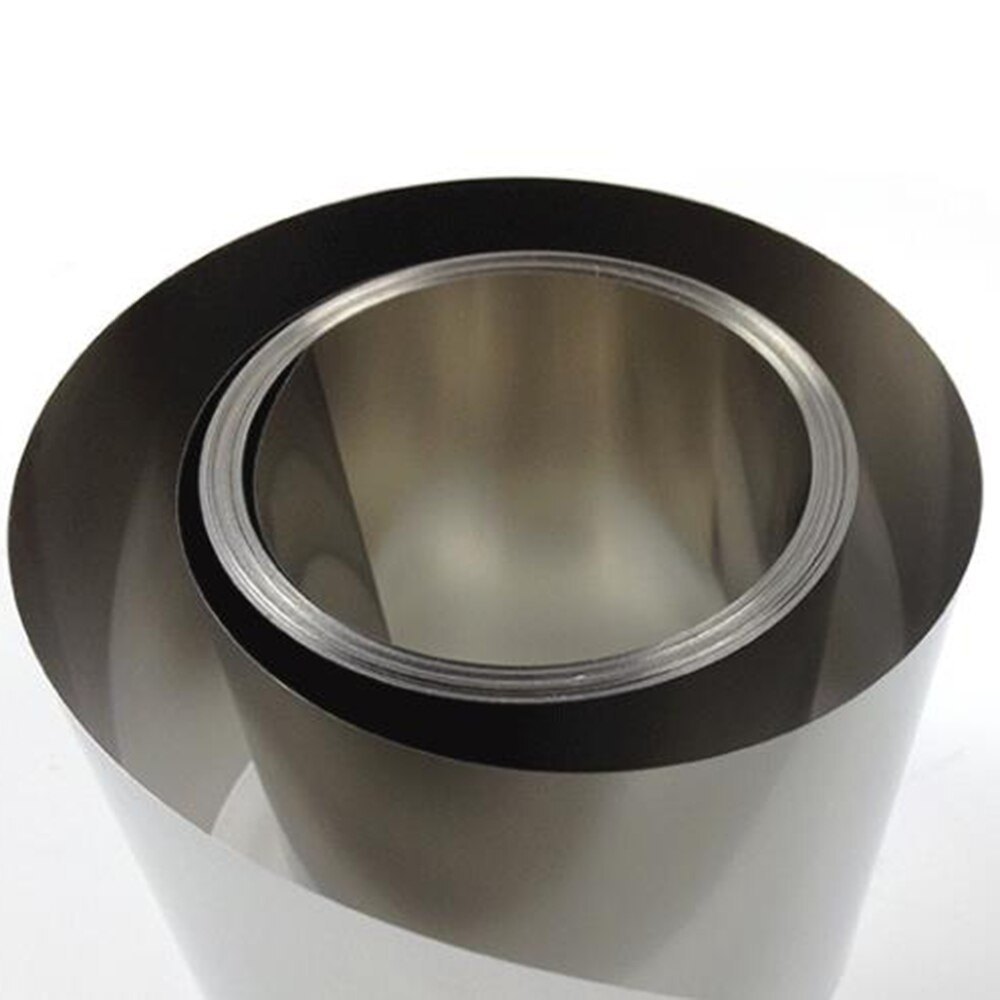
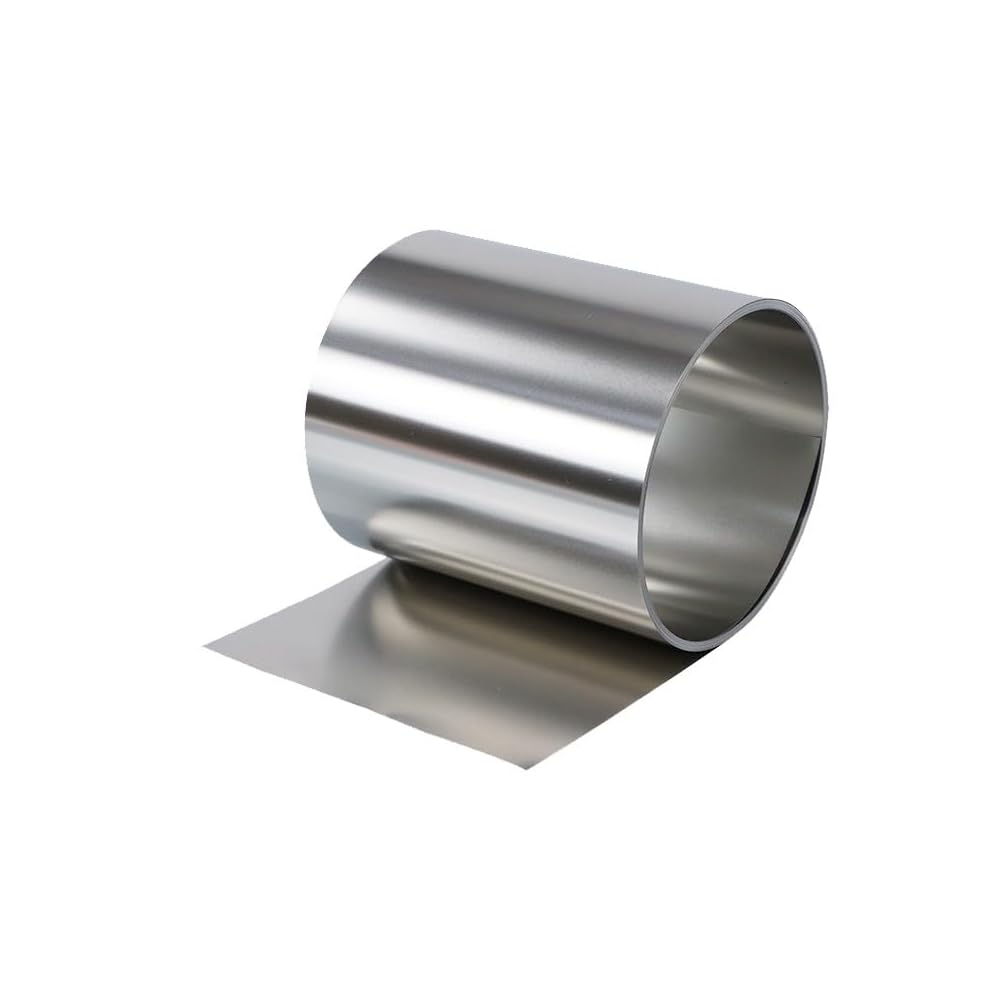
Titanium Grade 5 foil or Ti-6Al-4V foil consists of 90% titanium, 6% aluminum, and 4% vanadium which provides increased strength and low weight. It can be easily molded and welded hence applied in several challenging tasks where strength and weight count for the same
Versatile High-Performance MaterialTitanium Gr 5 Foil is celebrated for its exceptional combination of lightweight strength and outstanding environmental resilience. Its adaptability makes it indispensable across various high-precision sectors including aerospace, medical, chemical processing, and marine industries. The foil comes in cold rolled form and features excellent machinability and weldability, supporting intricate component fabrication and reliability in the most rigorous environments.
Conformance and Customized PrecisionManufactured under strict adherence to ASTM B265 and AMS 4911 standards, Titanium Gr 5 Foil guarantees material consistency and reliability. Available in widths from 10 mm up to 500 mm and thicknesses down to 0.01 mm, each batch can be tailored to customer specifications for tolerance and delivery condition, whether annealed or tempered. This ensures that the foil aligns perfectly with diverse project requirements and regulatory expectations.
FAQ's of Titanium Gr 5 Foil:
Q: How is Titanium Gr 5 Foil typically utilized in aerospace and medical applications?
A: Thanks to its high strength-to-weight ratio, excellent corrosion resistance, and biocompatibility, Titanium Gr 5 Foil is extensively used for manufacturing lightweight structural components, engine parts, and critical implants in aerospace and medical fields. Its formability and superior performance under stress make it a material of choice for components that demand both strength and durability.
Q: What is the chemical composition and physical structure of Titanium Gr 5 Foil?
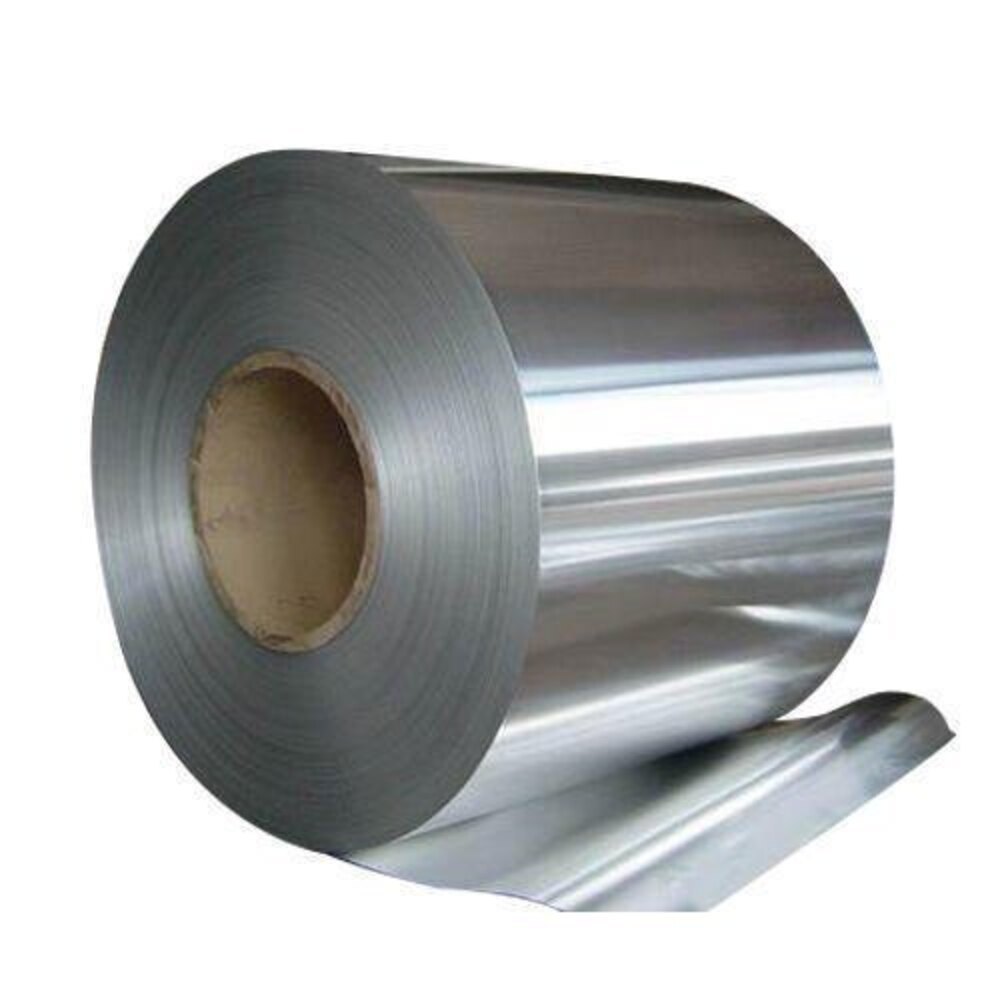
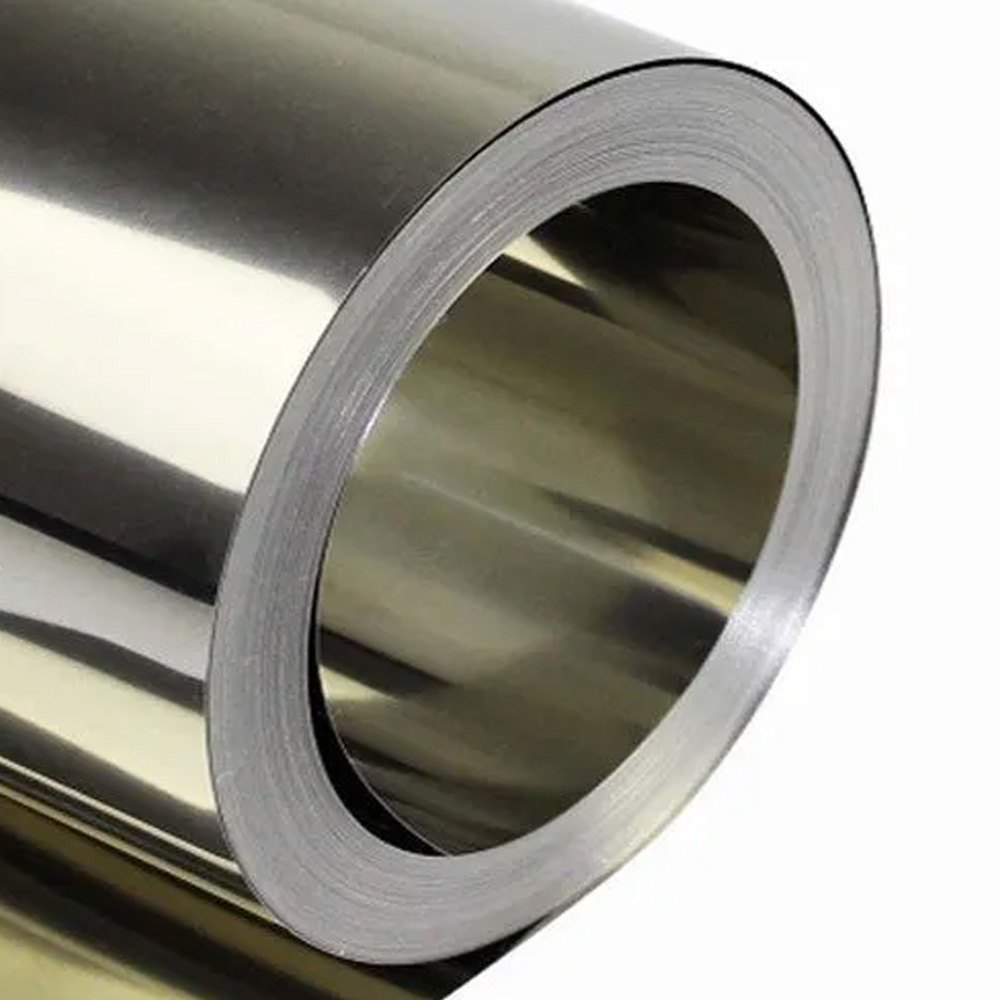
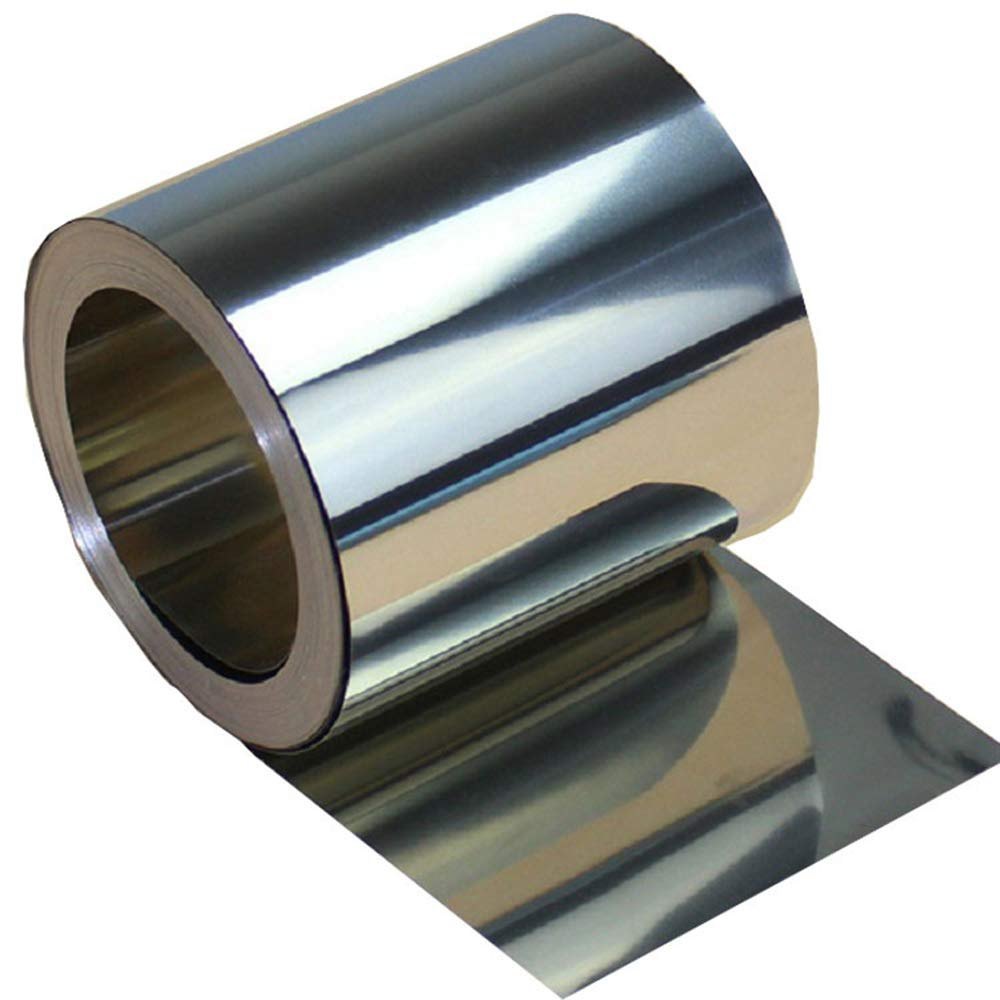
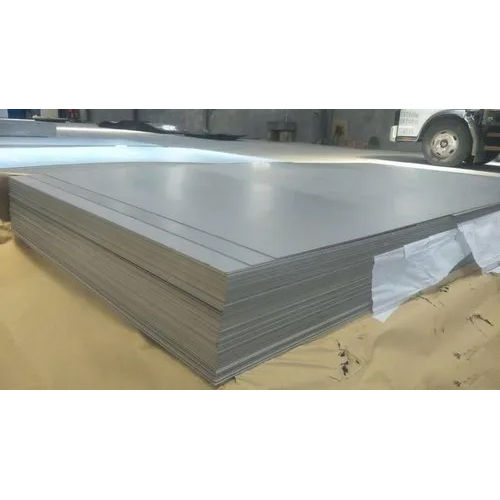
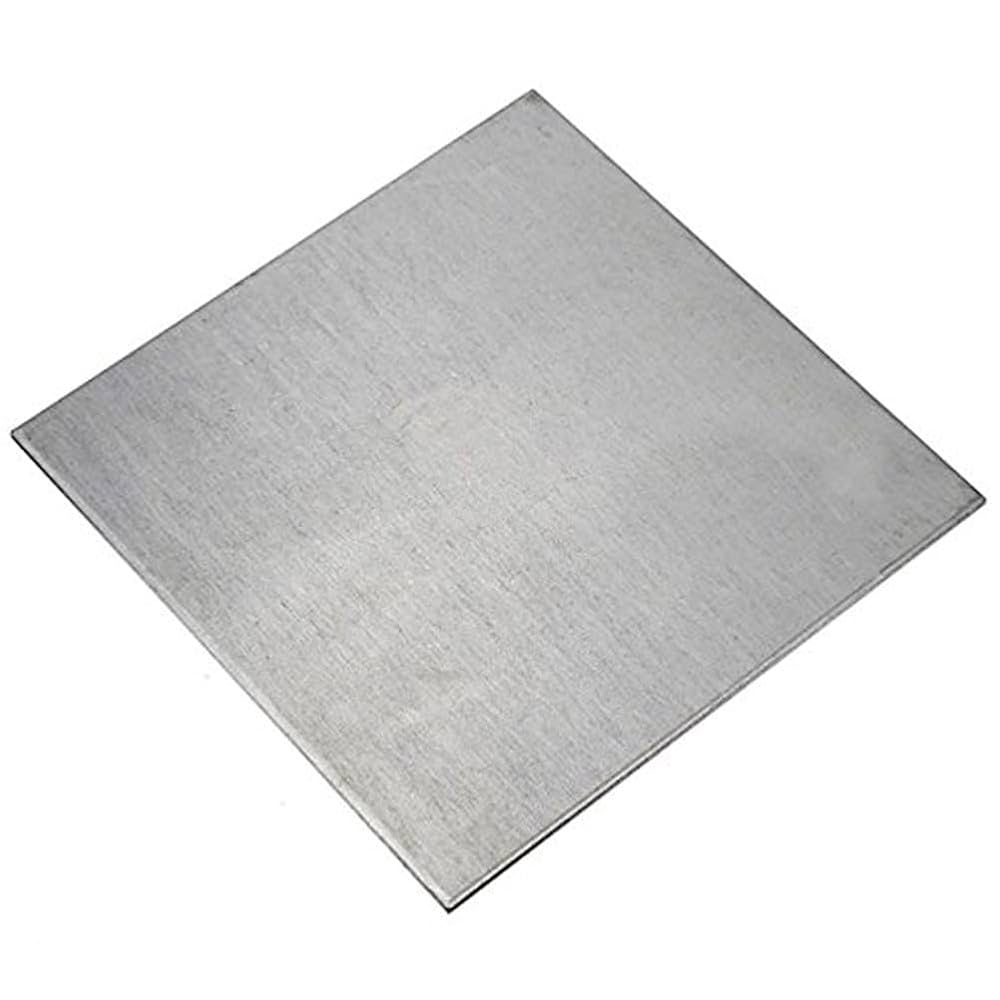
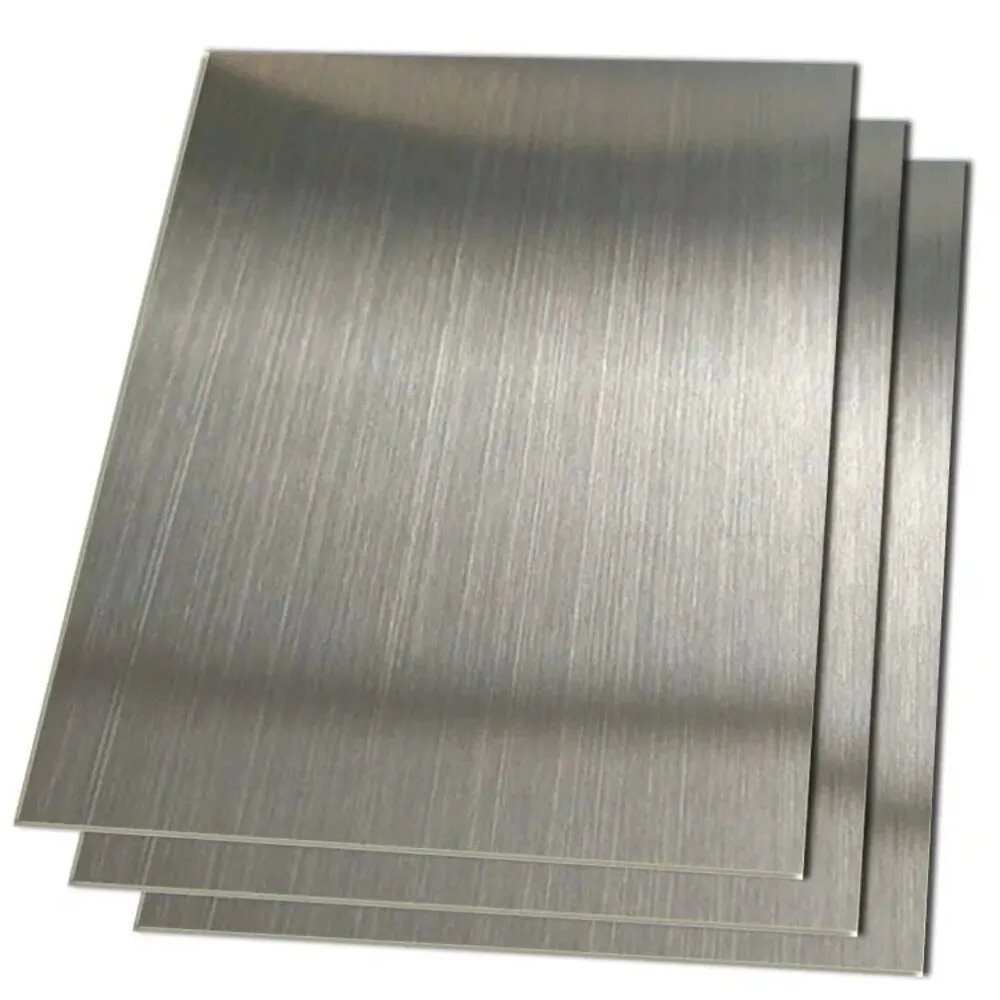
A: Titanium Gr 5, also known as Ti-6Al-4V, consists primarily of titanium, with 6% aluminum and 4% vanadium. This cold-rolled foil is produced in silver grey color with a bright, smooth surface finish. The plate-shaped foil has a density of 4.43 g/cm3, and its mechanical strength and corrosion resistance are among the highest in titanium alloys.
Q: When should Titanium Gr 5 Foil be selected over other materials?
A: Titanium Gr 5 Foil should be chosen when applications demand high tensile strength (minimum 895 MPa), lightweight characteristics, and excellent resistance to corrosion, especially in harsh, highly regulated environments such as aerospace, marine, or chemical processing, where reliability and longevity are critical.
Q: Where can you source Titanium Gr 5 Foil with custom tolerances?
A: You can obtain Titanium Gr 5 Foil from specialized exporters, importers, manufacturers, suppliers, and traders who offer customization in width, thickness, and tolerances as per ASTM or specific project requirements. Be sure to consult providers able to verify full compliance with relevant standards such as ASTM B265 and AMS 4911.
Q: What is the manufacturing process for Titanium Gr 5 Foil?
A: The manufacturing process involves cold rolling high-purity titanium alloy into foils, followed by annealing or tempering to achieve the desired strength and ductility. Throughout, rigorous quality control ensures surface brightness, smoothness, and adherence to specified dimensions and tolerances.
Q: How does the annealed or tempered condition affect the foil's performance?
A: Annealed Titanium Gr 5 Foil offers enhanced ductility and formability, making it suitable for components requiring extensive shaping. Tempered foil, in contrast, provides increased strength and hardness, suitable for applications demanding higher mechanical resistance and durability.
Q: What are the key benefits of using Titanium Gr 5 Foil in marine and chemical processing sectors?
A: In marine and chemical processing environments, Titanium Gr 5 Foil provides unmatched resistance to corrosion from seawater and aggressive chemicals, coupled with long-term mechanical strength. This prolongs the lifecycle of parts, reduces maintenance costs, and enhances overall operational safety.





 Send Inquiry


 Send Inquiry
 Send Inquiry
 Send SMS


