Inconel 601 Wires About
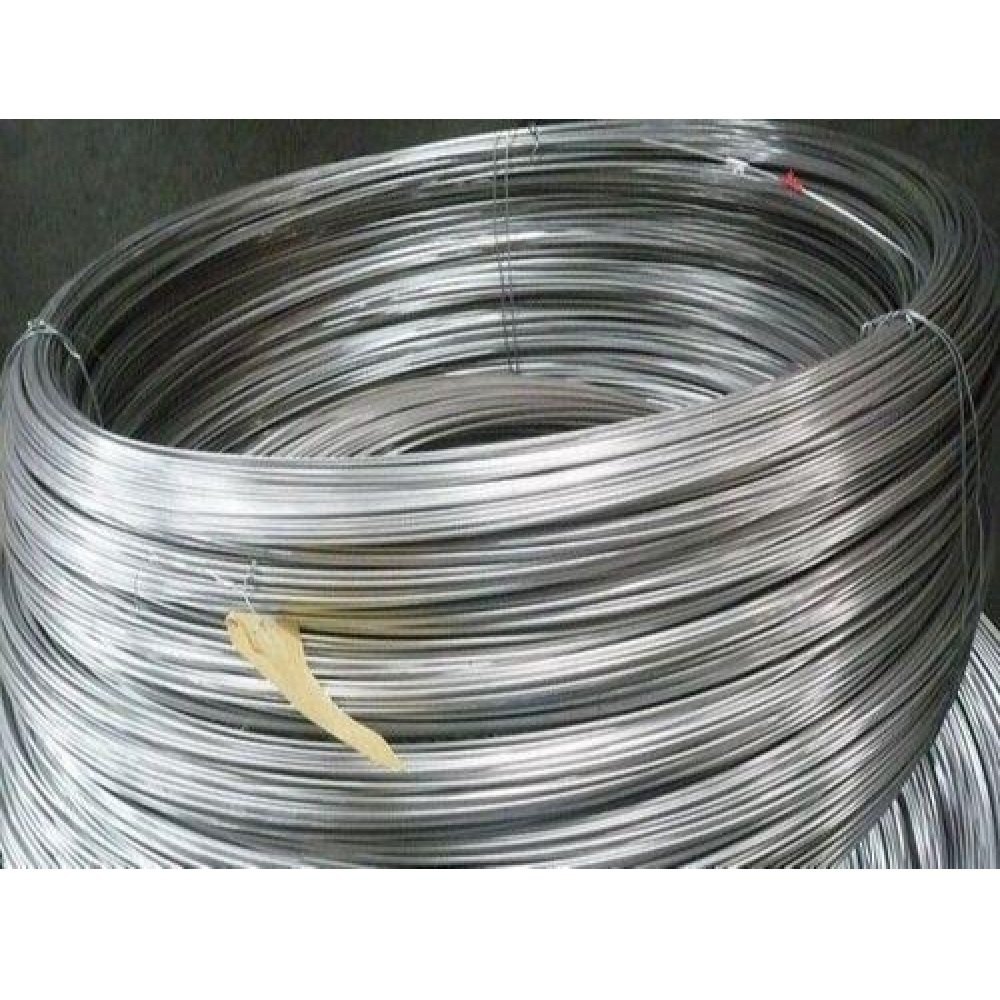
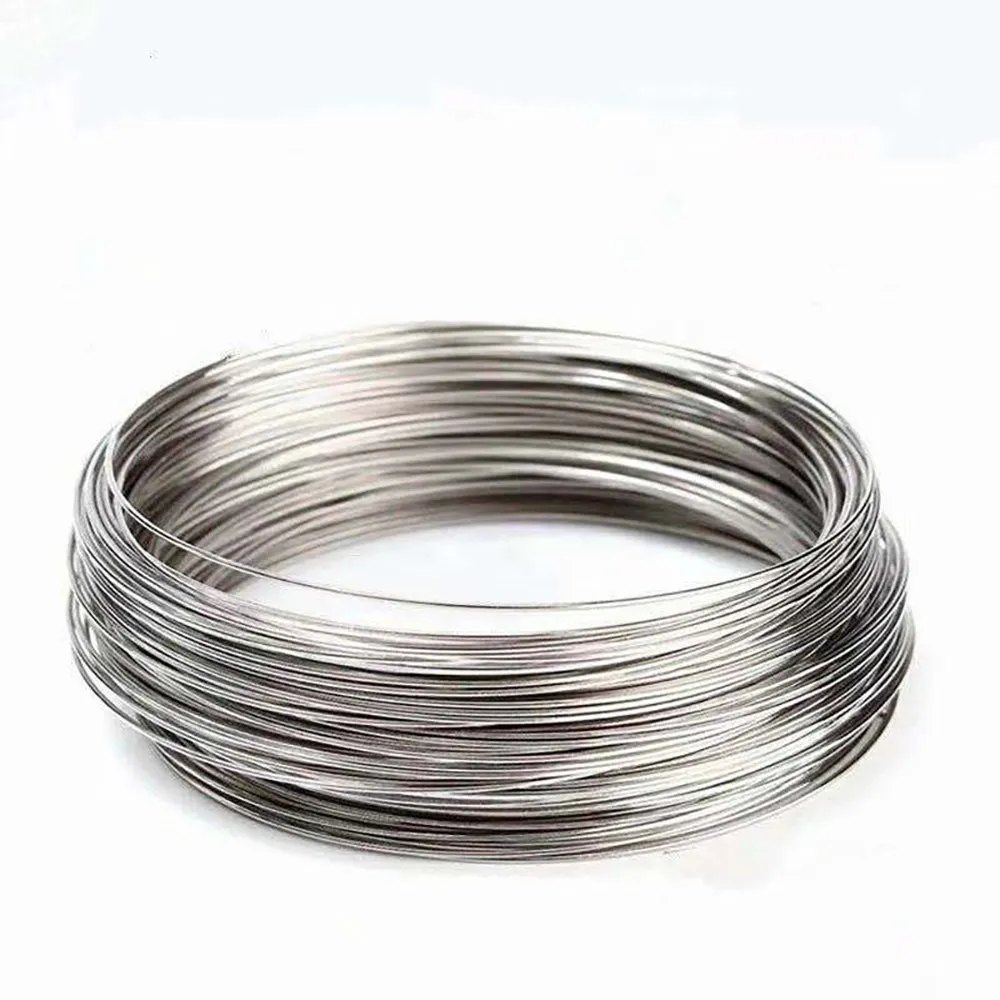
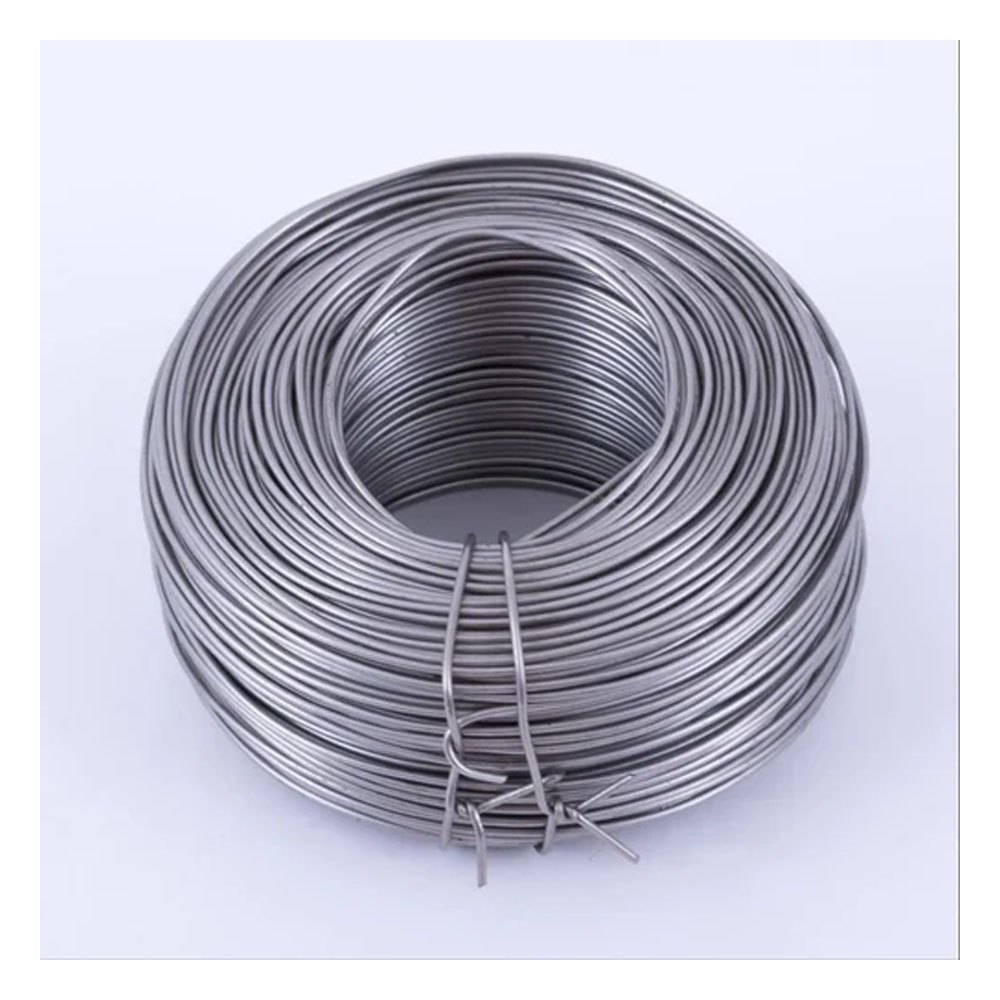
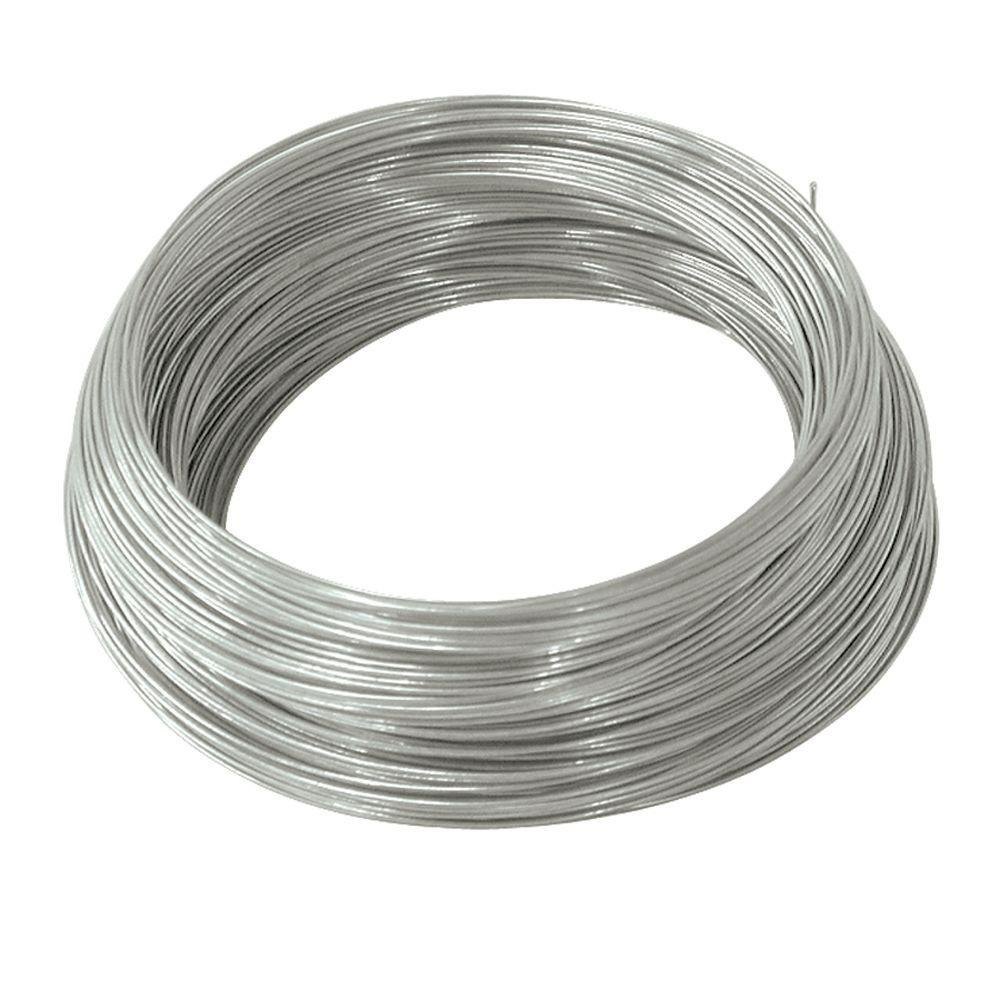
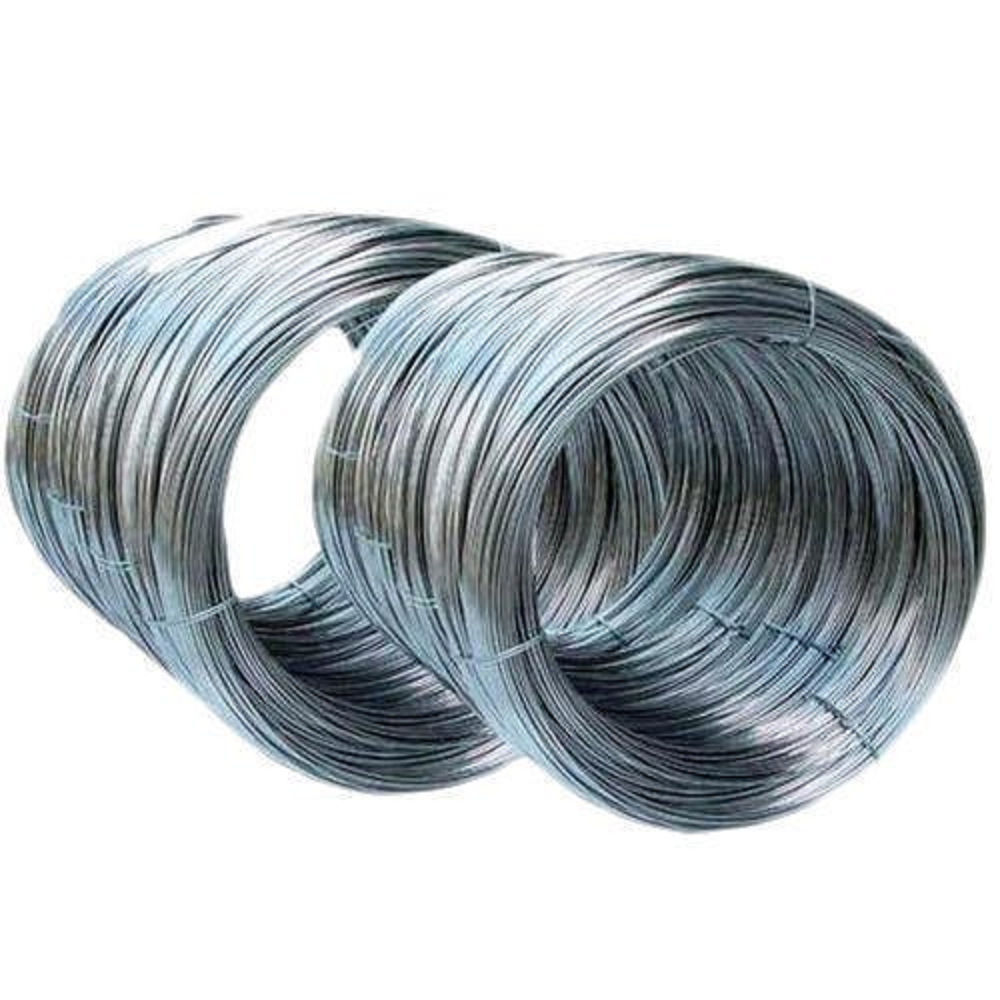
Inconel Wires are mainly composed of nickel and chromium and are characterized by a high degree of heat resistance, oxidation, and corrosion. These wires are made to be used in high temperatures and other unfriendly conditions. They are also quite resistant to pitting and stress corrosion cracking, have high temperature strength and are therefore very suitable for extremely rigorous use.
High Temperature PerformanceInconel 601 wires stand out for their ability to withstand continuous exposure to temperatures up to 1200C (2200F), making them indispensable in furnace components, heat treating baskets, and radiant tubes. Their robustness against thermal cycling ensures longevity and reliability in demanding applications.
Exceptional Corrosion and Oxidation ResistanceThese wires exhibit excellent resistance to oxidation and carburization, even in severe environments, due to their nickel-chromium composition. This property makes them highly suitable for chemical processing equipment and other applications where harsh atmospheres prevail.
Precision and Versatility in ApplicationManufactured as per ASTM B166 and ASME SB166 standards, Inconel 601 wires are available in a variety of diameters, thicknesses, and conditions (soft, half-hard, hard) to meet tailored operational needs. Options for surface treatment and packaging enhance suitability across industries.
FAQ's of Inconel 601 Wires:
Q: How can Inconel 601 wires be utilized in high-temperature environments?
A: Inconel 601 wires are engineered to maintain mechanical integrity and resist oxidation at temperatures up to 1200C (2200F), making them ideal for use in applications such as furnace components, radiant tubes, and heat treating baskets.
Q: What are the primary benefits of choosing Inconel 601 wires over standard stainless steel wires?
A: The main benefits include superior corrosion and oxidation resistance at elevated temperatures, higher tensile strength (650-850 MPa), and excellent structural stability, which ensures longer service life in extreme thermal or chemical environments.
Q: When is it necessary to select different wire conditions (soft, hard, half hard)?
A: Wire condition should be chosen based on application requirements: soft wires suit bending and coiling, hard wires are ideal for straight sections or structural support, while half hard wires offer a balance between formability and strength.
Q: What packaging options are available for Inconel 601 wires to suit different needs?
A: Packaging can be customized according to user requirements, including coils, spools, or other specified forms, ensuring ease of transport and handling, as well as suitability for automated manufacturing setups.
Q: How do the non-magnetic properties of Inconel 601 wires benefit industrial applications?
A: In the annealed condition, Inconel 601 wires are non-magnetic, preventing magnetic interference in sensitive electronic or instrumentation environments and enhancing safety in specific industrial applications.
Q: Where are Inconel 601 wires commonly applied?
A: These wires are commonly used in thermal processing, chemical processing equipment, furnace construction, and heat treating baskets, where high temperature and corrosion resistance are vital.
Q: What process is used to manufacture Inconel 601 wires, and how is quality ensured?
A: The wires are produced through cold drawing and can be further annealed for specific requirements. Quality is ensured by adhering to strict standards such as ASTM B166 and ASME SB166, with custom tolerance and surface treatments available.





 Send Inquiry


 Send Inquiry
 Send Inquiry
 Send SMS
 Call Me Free


